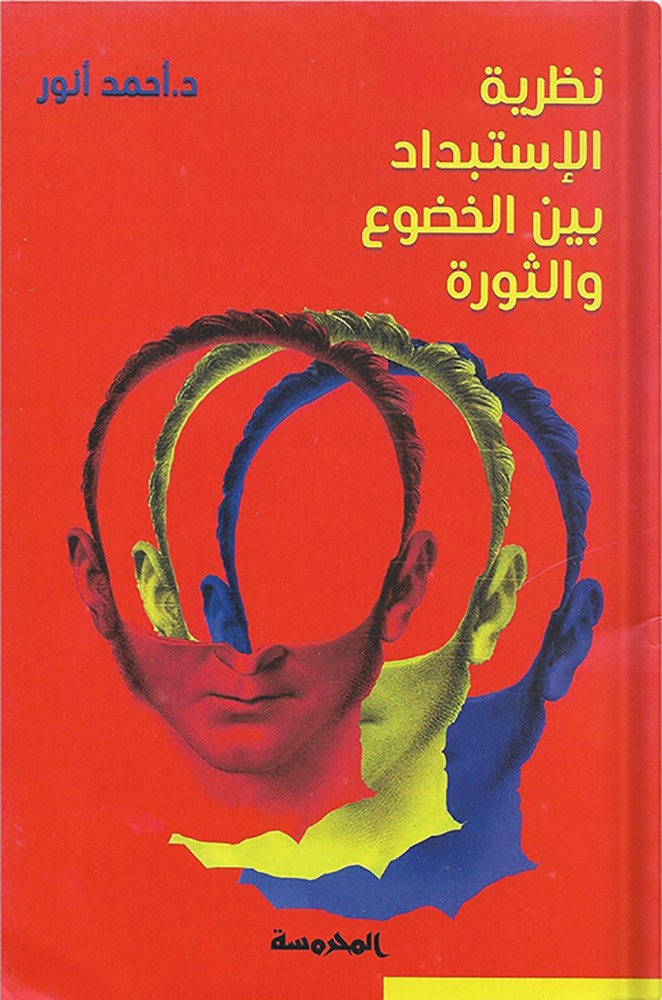
The theory of tyranny between submission and revolution, by: Dr. Ahmed Anwar
55ر.س
Product description
The normal situation of the existence of an oppressive authority was that a desire for isolation and distance from authority and not dealing with it, patience, reliance, and other negative values appeared in the cultural heritage. These negative values manifested in the cultural heritage in various forms, such as popular proverbs, folk literature, mawal, poetry, lamentations, sarcasm, and mockery. This cultural heritage led to preparing the masses to accept tyranny and coexist with it. This cultural heritage reinforced the nature of oppression and domination in the social structure, contributing to the creation of a patriarchal authoritarian society, and a set of values rooted in individuals that push them towards negativity, submission, and obedience. These values were transmitted from generation to generation to form one of the important components of the value systems in Egyptian society. This cultural heritage became ingrained in individual and national consciousness, directing tendencies, visions, and behaviors. Additionally, the oppressor exploited this cultural heritage and drew legitimacy from it to impose his dominance and tyranny.
Number of pages: 249
