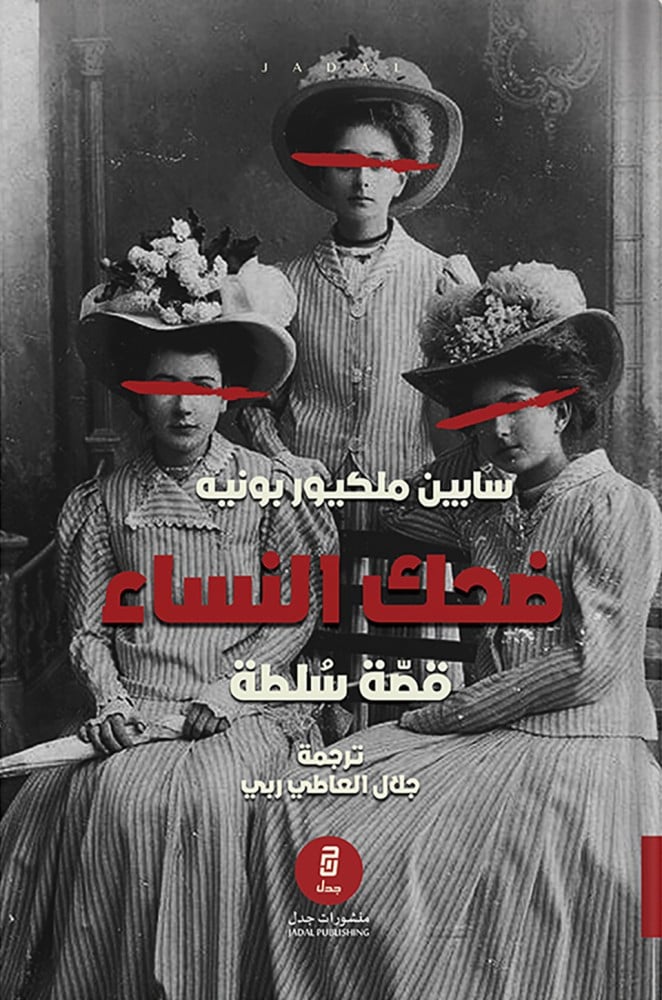
Laughter of women: A story of salad, by Sabine Milikor Bonyh
15ر.س
Product description
Nature has distinguished laughter from beauty. Tension, chaos, and a slight earthquake affect facial features. Laughter distorts the contours of the face, shakes the limbs, strips away the dignity, and removes the cloak of modesty. As a shameful behavior, it bubbles up from deep within us. The Greeks called it "Rijraj." From Aristotle to Bergson, passing through Renaissance doctors and Enlightenment philosophers, we are told that we laugh at "the ugly, the grotesque, and the indecent," or also, according to Hobbes, at "the unexpected sight of our superiority and dominance over others." Laughter contradicts the image of the modest and chaste woman. When people laugh, their laughter takes on an official character: if a man's laughter has been seen as a moment of solace and entertainment, or a balm for his sadness and pain, a woman who laughs risks being branded by society as vulgar, immodest, or indifferent, or as foolishly hysterical, or having her charm and magic taken away, and being classified as a failed giddy girl. Laughter, chuckling, shouting, hysteria, or delirium—these are, from the outset, partly gendered, vulgar, and obscene languages of laughter. The laughter of women, for centuries, was under strict surveillance, and only allowed if hidden behind a hand fan.

Questions you might have