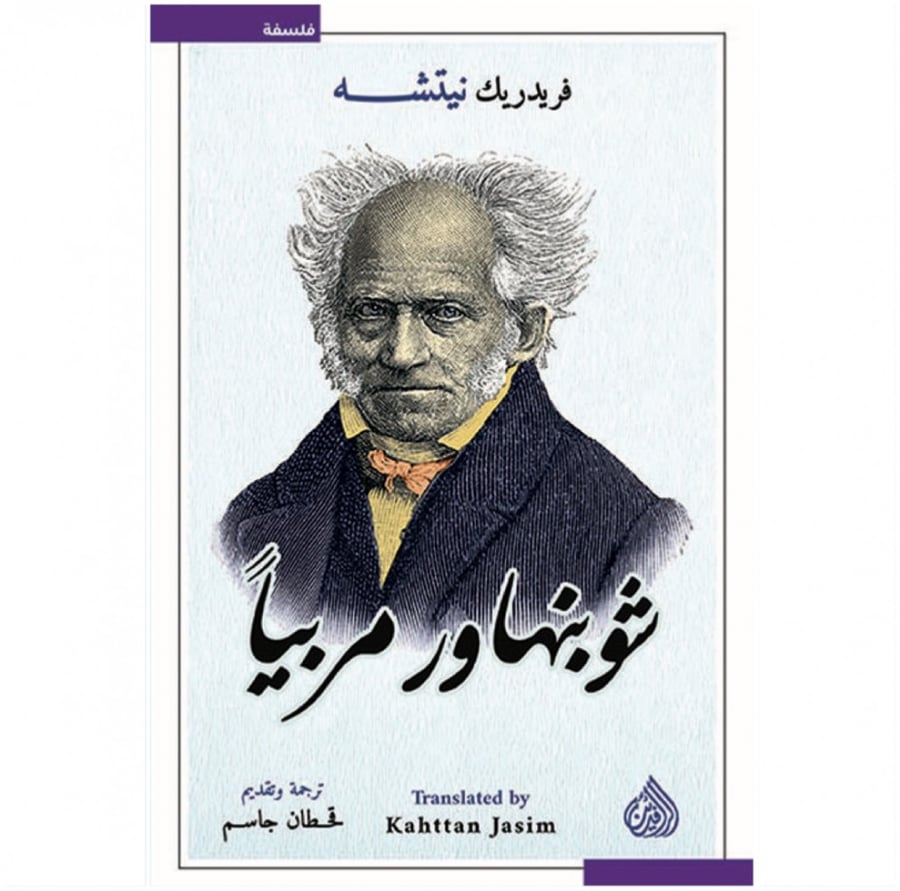
Schopenhauer as an educator
18ر.س
28ر.س-36%Product description
The influence that Schopenhauer left on Nietzsche can be observed in this book, which we are translating into Arabic, and it is one of thirteen texts that Nietzsche had planned to write, but he later limited himself to four of them and abandoned the topic entirely, as Nietzsche clarifies in his letter to his friend Georg Brandes. The texts were initially published separately, but they were later collected and published in one book. The book presents Nietzsche's ideas and perceptions about the role of the philosopher and its importance in society, as well as the suffering he faces from his surroundings due to his critical opinions and his views opposing the usual and common ideas, customs, and behaviors. It also emphasizes repeatedly the importance of giving the philosopher and scientist greater opportunities, and that they should not become tools serving the state, but rather strongly calls for neutrality in their activities and in educational institutions, and for ending their role in serving the goals of the state and the interests of capitalists. This is the first Arabic translation of the text (Schopenhauer as Educator). The importance of the text lies in that it helps both the researcher and the reader understand the intellectual development of Friedrich Nietzsche and follow many of the ideas presented in this book as they appeared later in his subsequent writings.
