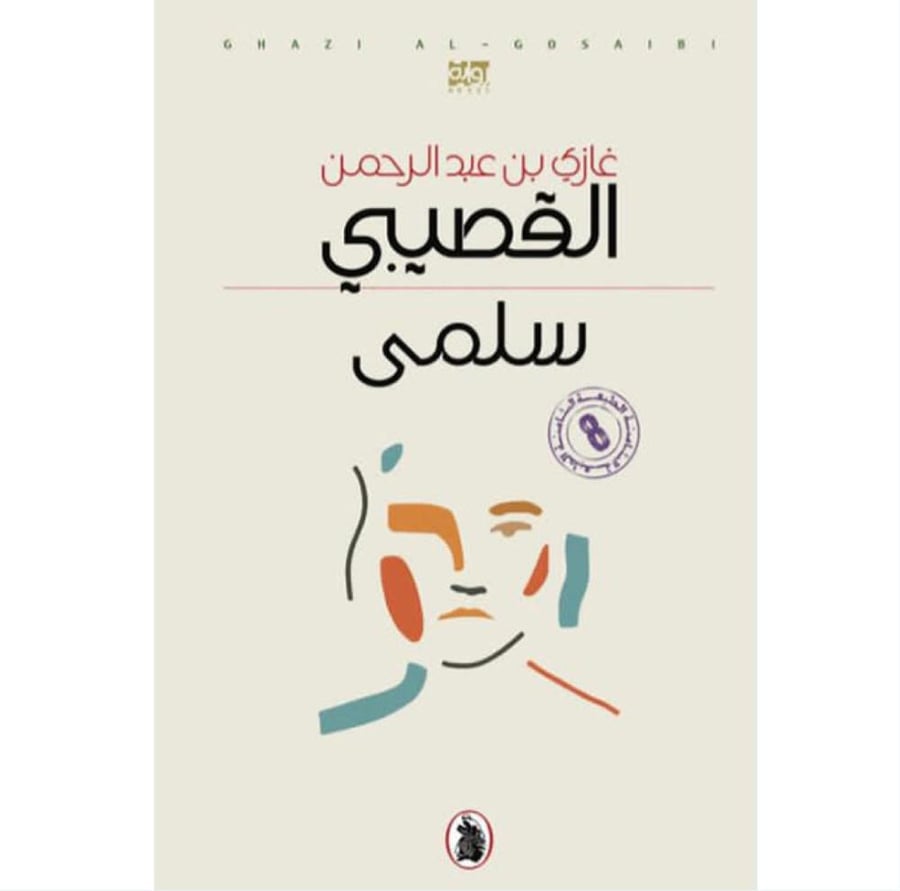
Salma
15ر.س
Out of Stock
Product description
Dr. Rashid, the family doctor, shakes hands with Salim and says: May Allah increase your patience, she was a great lady. Salim mutters: Thank you, doctor. You did not neglect caring for her, but death is the right of every appointed time. I was looking forward to my weekly visit. Her talk was very enjoyable. She was a true intellectual who read many books. She read and wrote. She authored four books... all about history, a series of four parts called "Decisive Moments in History." Ah: history and literature, history and poetry, history and politics. These were the main topics of her conversation... Recently, she started mixing history and reality. She often told me that history is the only present. The doctor seems somewhat hesitant, then overcomes his hesitation and says: Mr. Salim! There is something strange, related to her death, may God have mercy on her... something strange! What do you mean? Did she not die of a heart attack? Did this not appear in the hospital report? Was she not suffering from a chronic heart disease? Surely she died of a heart attack, no doubt about it. So what is the strange thing? The strange thing, Mr. Salim, is that the nurse found the bed full of bloodstains, and her robe was also full of bloodstains, even though she had not a single wound on her body. Salim falls silent, then smiles and says: And what is the point of the wonder? Isn't history the only present? Salma and the story and the pauses where time retreats to this place, and the skillful way of entering history and returning from it to the present, and recalling important historical events and infusing them with the vitality of the present, filled with the tragedy of that past event. Salma, that character who faithfully fulfilled what Al-Qusaiibi wanted from her. She carried the concerns of the Arab present, preserved the mistakes of its past, and dreamed of returning to that past, hoping to uncover the cause of those calamities that wounded the Arab heart in his past as in his present, even if only through imagination. Al-Qusaiibi's imagination unfolds through Salma between the past and the present, stopping at Nasser's era, delving deeper into the days of the Arabs in Andalusia, and at Al-Mutanabbi, and at the fall of Baghdad, and at Ahmed Shuqayr. These milestones surge through Salma's radio indicator, which served as a window from which Al-Qusaiibi's imagination launched into worlds, returning to him with threads intertwined where literature meets politics, social issues meet emotional depths, and many of Al-Qusaiibi's touches that do not stray from the feelings, sensations, and mind of the reader.

From Medina
Questions you might have