Empty string
45ر.س
Out of Stock
Product description
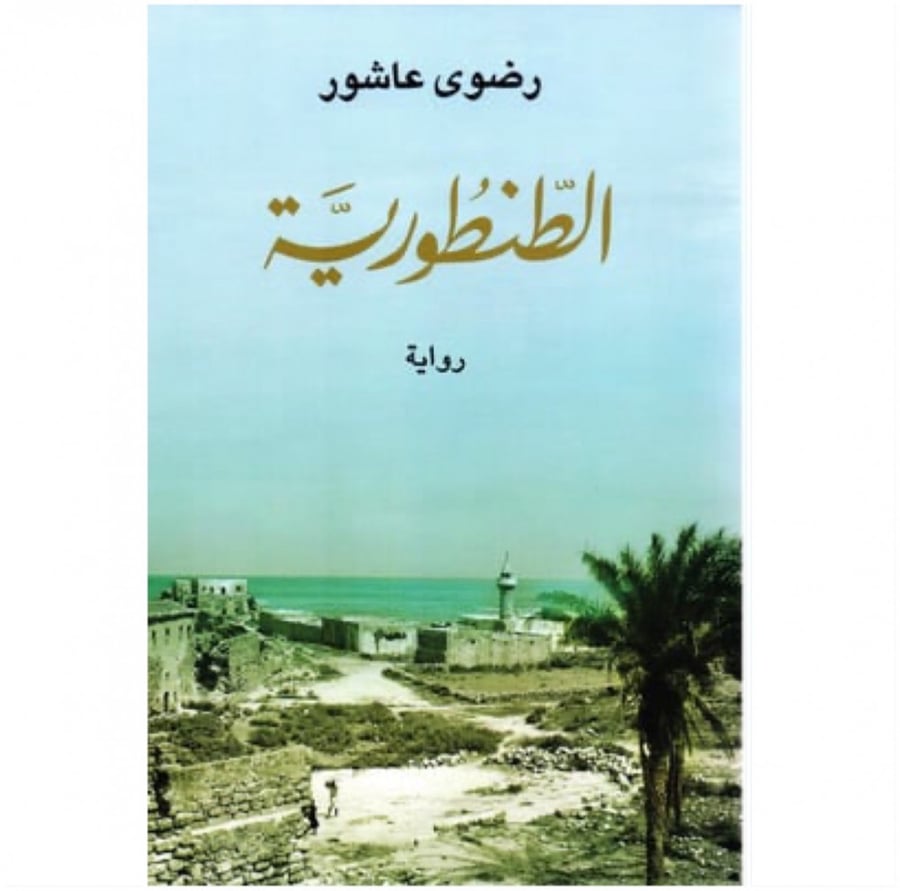
In the book Al-Tantouriya, the late Egyptian writer and professor of comparative literature Radwa Ashour narrated the massacre of Al-Tantouriya carried out by Zionist gangs in 1948, with her gentle style and usual precision. The author recreated scenes from the utmost extent possible. The novel, considered one of the most beautiful writings about Palestine, was published by Dar Al-Shorouk in multiple editions as part of a distinguished collection of Arab novels.
A brief about Al-Tantouriya:
The novel is named after the village of Al-Tantouriya, located on the Palestinian coast south of Haifa. In 1948, this village was subjected to a massacre by Zionist gangs. The novel addresses this massacre as a starting point and one of the main events, following the life of a family uprooted from the village and their life over nearly half a century until now, passing through the experience of refuge in Lebanon.
The heroine of the novel is a woman from the village, and the reader follows her life from childhood to old age.
The novel blends in its lines between historical facts on one side and literary creativity on the other.
They said about Al-Tantouriya:
It is an important work, and of rare boldness.... Whoever reads this book will understand what Nakba means, what losing the homeland means, what refuge means, and what life in refuge on the land of the homeland itself means before seeking refuge elsewhere. It is a pyramid of people's stories.
Lebanese historian Dr. Bayan Nweihd Al-Hout – Al-Safir newspaper
Al-Tantouriya is one of those rare novels that enriches your reading experience without the need to consult numerous diverse references about Palestine: its history, its villages, the suffering and resilience of its people, its folk sayings, language, songs and chants, its trees, crops, and symbols, and what happened to its people who were forced to flee through violence, brutality, ethnic cleansing, and killing.
Dr. Sabri Hafez – Al-Shorouk newspaper
In Al-Tantouriya, Radwa Ashour does not just tell the story of Ruqayya; she achieves a clear victory through narration, settling a conflict on the land of the text and its space.
A novel that helps us discover, understand our history, who we are, and what we want, because when we know, we can.
Dr. Karma Sami – Al-Ahram newspaper
Excerpts from Al-Tantouriya:
The smell of the town was strange, mixing with the scent of the sea and the white lilies that bloom at that time of the year. I couldn’t distinguish the smell, and it remained in my nose days and weeks after we left the village, and now it has extended for years.
The war turned into war. And from war to war... what?
Here, the sentence stumbles, and the words become confused because I don’t know how to summarize what we lived through during those years.
Crying became perhaps trivial because tears have become shy of themselves.
