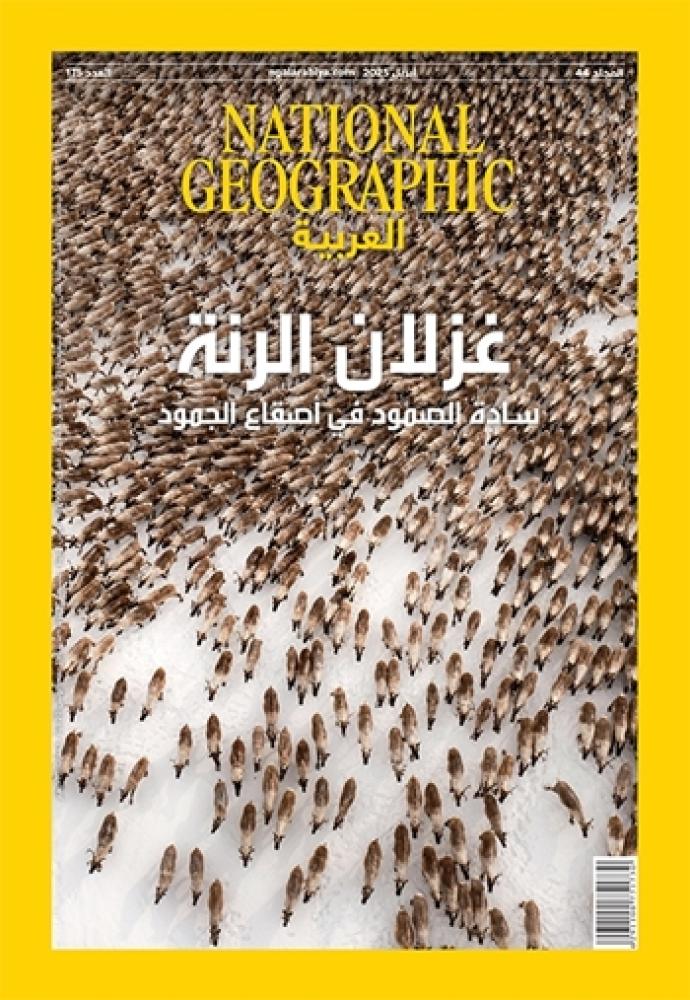
Gazelles of the reindeer, the plain of steadfastness in the lands of stagnation
27.50ر.س
Out of Stock
Product description
The Editor-in-Chief's word I usually enjoy whenever I invite my friends to eat what is delicious and tasty from what I cook: testing their knowledge about the original homeland of the ingredients and components I use. I care about the origins of food crops in pursuit of exploring the natural conditions where they originated and developed; and this adds cultural and scientific flavors to the dishes, increasing their deliciousness "consciously." My best questions focus on the tomato. This fruit — which many think is a vegetable — was not cultivated in Europe until the sixteenth century, and then it reached the Middle East centuries later. Humans, during their migrations, were keen to transfer their provisions with them, which included, besides tomato seeds and other crops, livestock of all kinds. However, transferring livestock was not as easy, even during European colonization that carved its way across the oceans of the world. The most famous historical example of transferring livestock is the introduction of the Arabian camel to Australia in the nineteenth century, to serve as a means of transportation for exploring the interior (arid) regions. Today, the number of these camels and dromedaries reaches about 300,000, enriching the culture of the indigenous people of this continent; however, some of their imported behaviors have harmed certain plants and other environmental aspects. In the cover story of this issue, we travel with you to North America to tell you the story of another animal journey that took place in the nineteenth century in a completely different environment dominated by snow, for another reason — to provide food for the indigenous people. The starring role in this story is played by a herd of reindeer, currently numbering 6,000 heads, herded by the indigenous "Inuvialuit" people; a relationship of loyalty and mutual support has developed between them, which continues to strengthen and solidify to this day, and it is very likely to shape the future path of this herd. I invite you to a quick search about the original homeland of the tomato... Until then, I wish you an enjoyable read!
In this issue you will read about:
Reindeer, masters of resilience in the icy realms
The lost human
Sturgeon fish
Democratic Congo in search of our ancestors from ancient times
A journey to the heart of Gorongosa

From Al Qatif