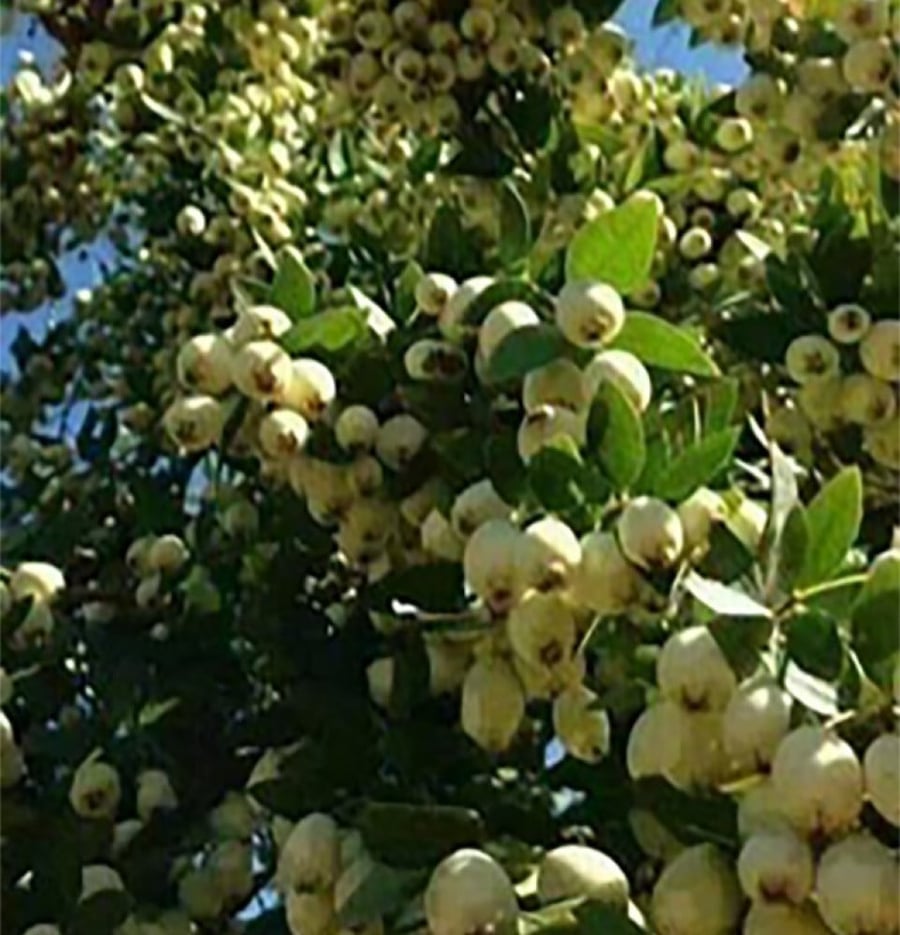
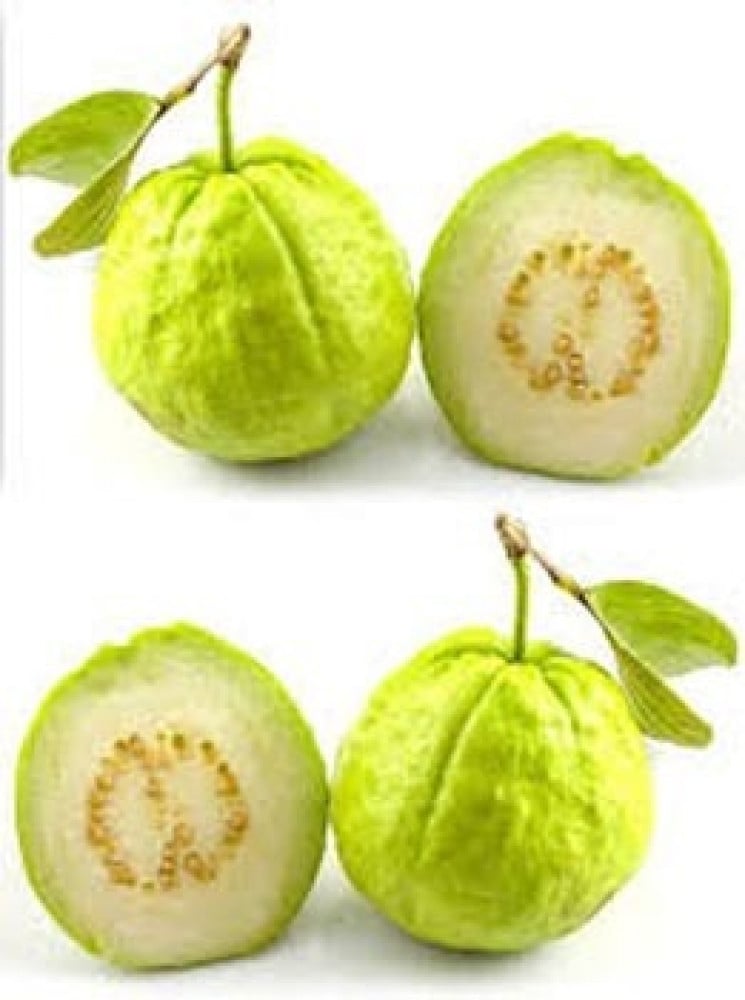


White guava seeds
7ر.س
Product description
White Guava Seeds (Psidium guajava) General description: White guava, scientifically known as Psidium guajava, is an evergreen tropical tree belonging to the Myrtaceae family. The tree produces juicy fruits with white flesh, a distinctive sweet flavor. White guava is rich in vitamins and minerals, and is considered a healthy fruit due to its high content of vitamin C and fiber. Propagation: White guava propagates through seeds or by cuttings and other vegetative methods. Guava seeds germinate within 2-8 weeks after planting. Flowering time: The guava tree begins to flower after 3-4 years of planting if grown from seeds. It produces small white flowers carried on the branches, which later turn into guava fruits. Guava can flower multiple times a year in tropical areas. Seed planting method: White guava seeds are planted at a depth of 1-2 cm in rich, well-drained soil. It is preferable to soak the seeds in water for 24 hours before planting to speed up germination. Plant in a warm, sunny location, leaving a distance of 3-5 meters between each tree to ensure good growth. Suitable climate and soil: White guava grows in tropical and subtropical regions. It requires temperatures between 20-30°C and does not tolerate severe frost. Guava prefers sandy or clay soil that is well-drained and rich in organic matter. Guava also grows in soil with a pH between 5.5 and 7.5. Planting and cultivation timing: White guava seeds can be planted year-round in hot regions. It is preferable to plant in spring or summer in temperate areas. The tree begins to produce fruit after 3-4 years if grown from seeds, while cuttings can produce fruit after 2-3 years. Benefits and uses: White guava is rich in vitamin C and dietary fiber, which promote digestive health and strengthen immunity. It also contains antioxidants that help improve skin health and prevent chronic diseases. Guava is consumed fresh or in juices and jams, and can also be used in desserts and salads. Native origin: Guava originates from tropical regions of Central and South America, but is now cultivated in many countries around the world, especially in warm climates.
