

Seeds of the white Kordia tree
7ر.س
Product description
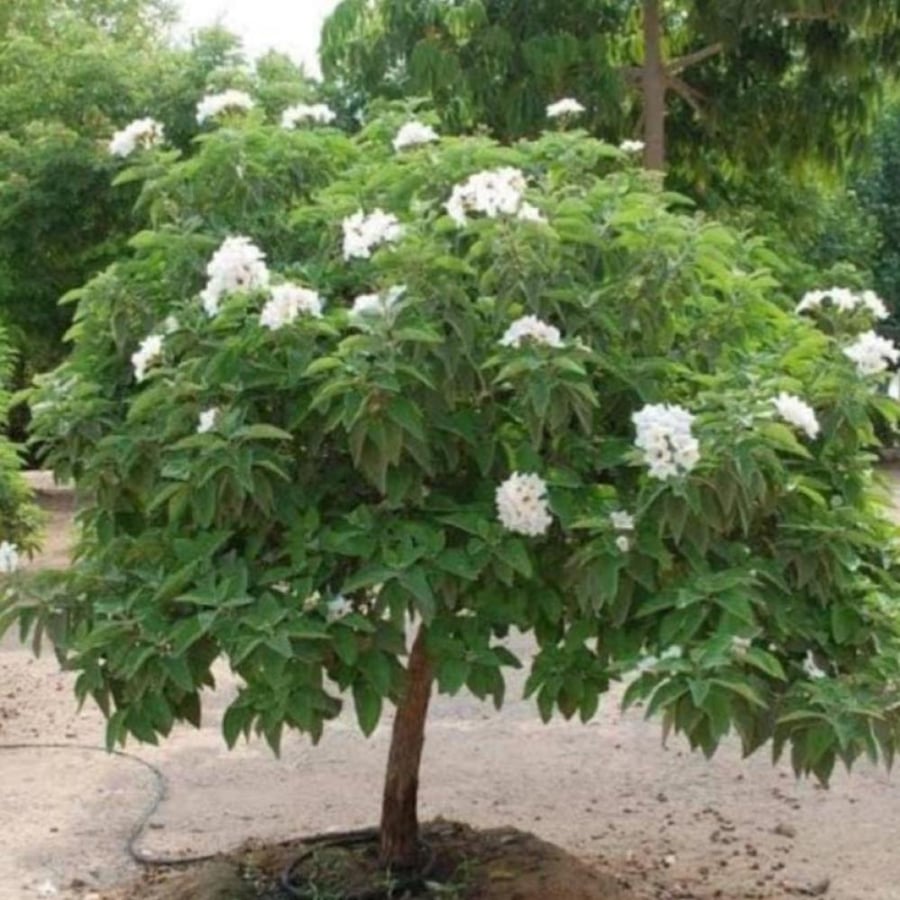
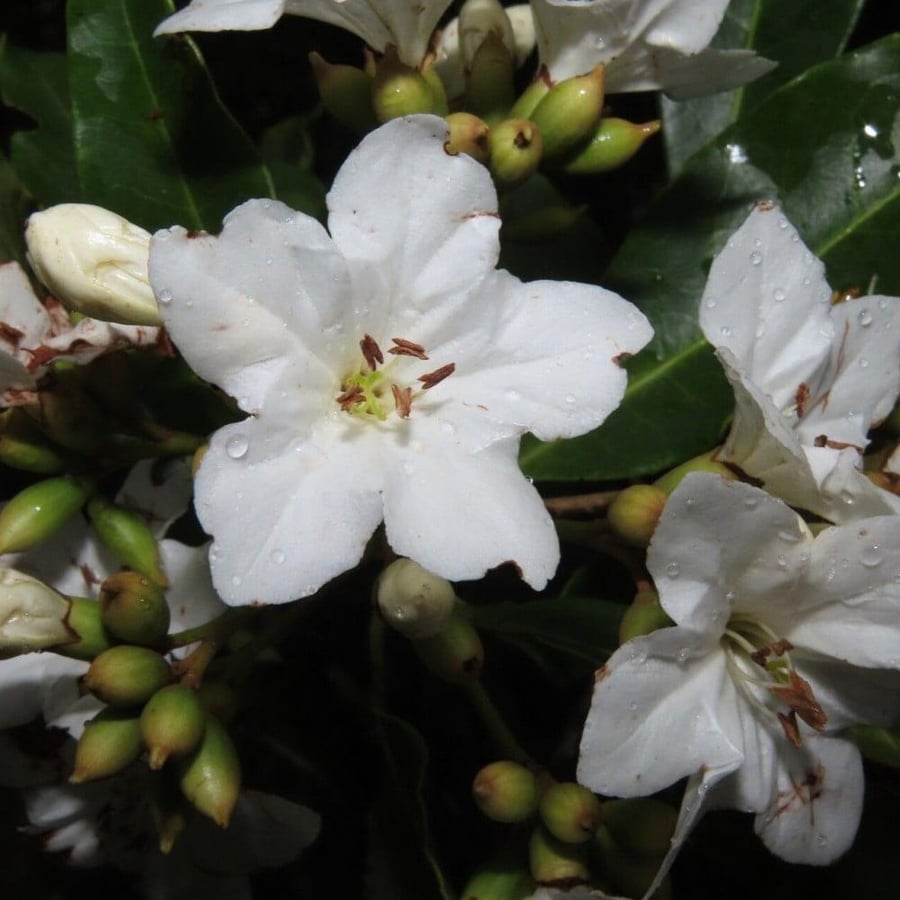
Seeds of the White Cordia Tree (Cordia alliodora) General description: The White Cordia tree, scientifically known as Cordia alliodora, is a medium to large tropical tree, also known as "Lapatsho" or "White Rosewood." The tree is characterized by its fragrant white flowers and shiny green oval leaves. The tree is widely used in planting projects and is considered an important source of timber in many tropical regions. Propagation: The White Cordia tree propagates through seeds produced by mature fruits. It can also be propagated by cuttings, but seed planting is the most common method. Flowering time: The White Cordia tree blooms in late spring and early summer. The fragrant white flowers gather in clusters and last for several weeks, adding a special beauty to the tree. Seed planting method: Cordia seeds are planted in rich, well-drained soil at a depth of 1-2 cm. It is preferable to soak the seeds in lukewarm water for 12-24 hours before planting to improve germination rates. The seeds need a warm, humid environment and usually take 3 to 4 weeks to germinate. Suitable climate and soil: The White Cordia tree prefers tropical and subtropical climates, where it grows best in hot, humid areas. It requires fertile, well-drained soil but can also adapt to poor, dry soils. It can withstand direct sunlight and partial shade. Planting and cultivation timing: The best time to plant White Cordia seeds is in spring or early summer when temperatures are suitable for seed growth. Benefits and uses: The wood of the White Cordia is used in furniture making and musical instruments due to its high quality and smooth texture. The tree is also used in planting and reforestation projects to restore degraded forests. Additionally, the tree serves as a habitat for many birds and insects thanks to its fragrant flowers. Native habitat: The White Cordia tree originates from Central and South America, where it is widely spread in tropical forests in countries such as Mexico, Colombia, and Venezuela. It is now cultivated in many other tropical regions around the world due to its environmental and economic benefits.
