

Venidium decurrens flower seeds
6ر.س
Product description
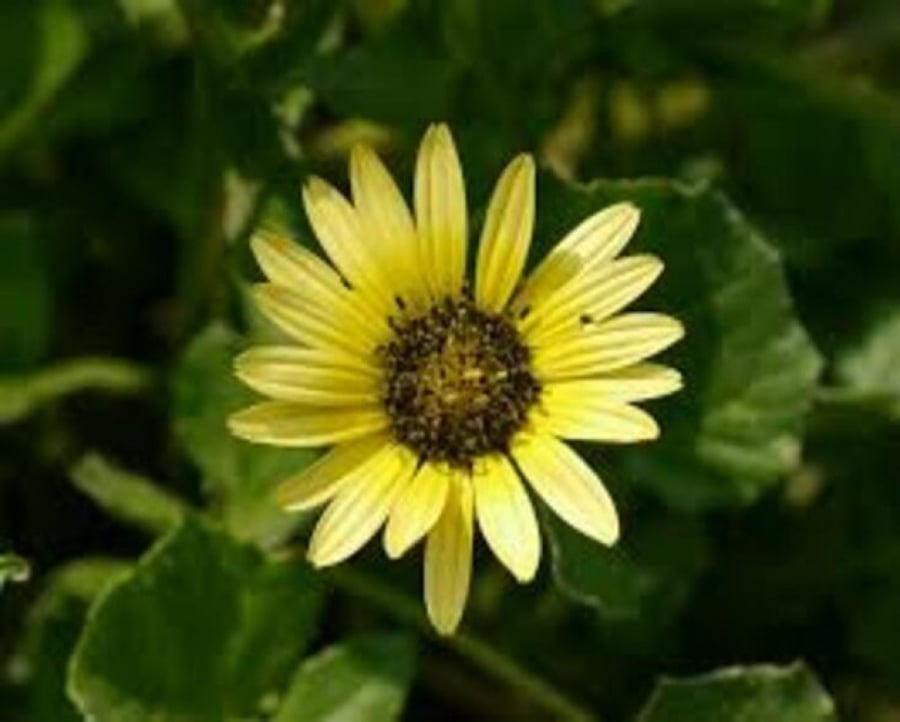
Venidium decurrens (Venidium decurrens) Scientific name: Venidium decurrens.
A herbaceous plant with multiple branches, some perennial and some annual, easy to grow, very flowering, resembles chamomile and tends to close late at night or in dull weather, and can partially open in cloudy weather. However, many varieties have been developed for garden use and remain open for a longer period.
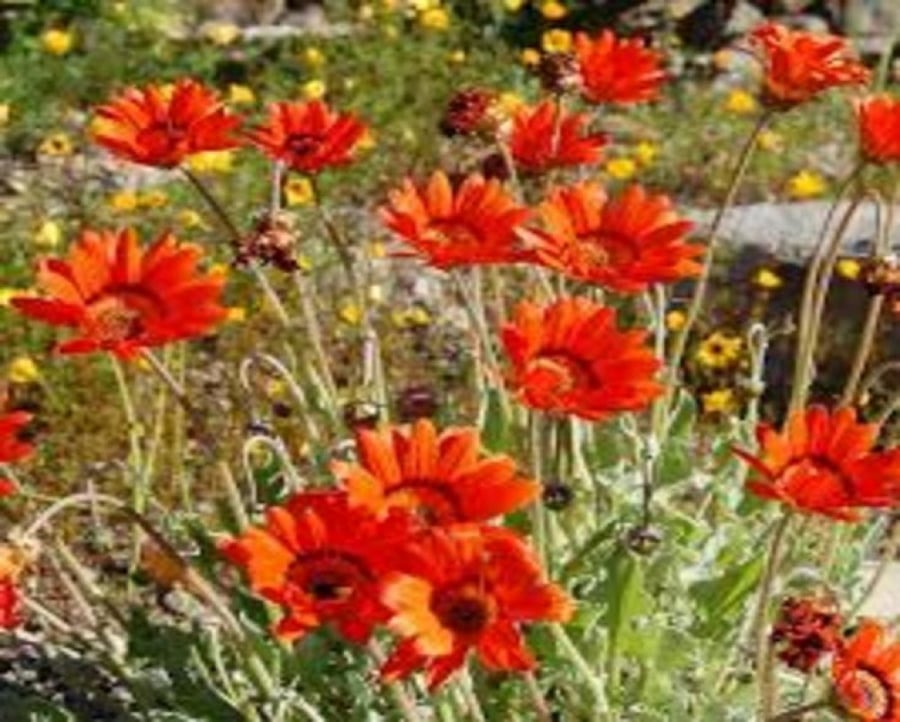
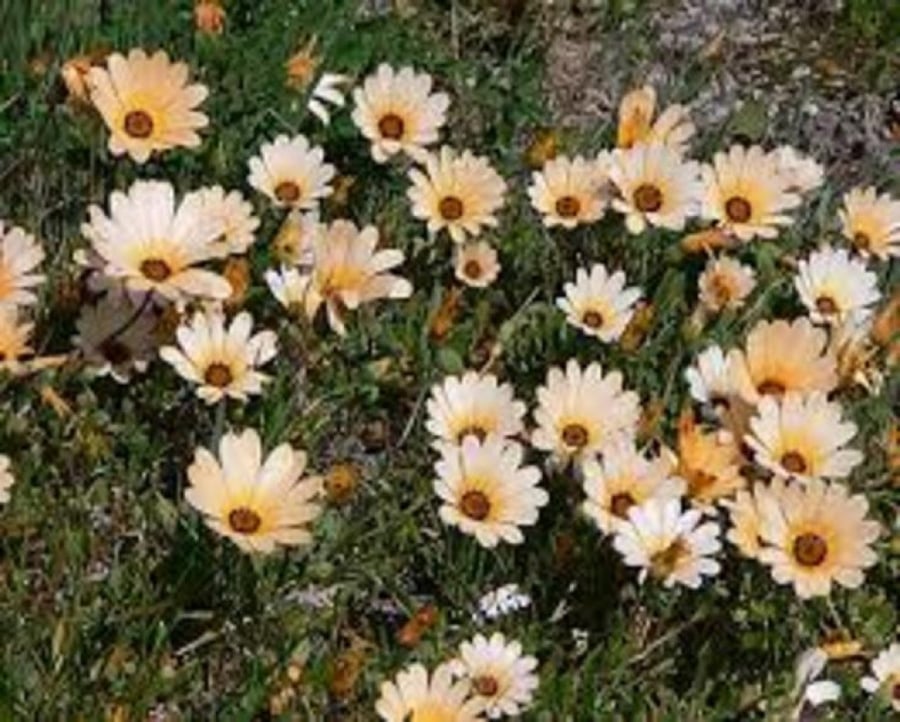
It has many dazzling colors such as yellow, white, orange, purple, and pink. It tolerates drought, and perennial plants are often grown in moderate climates, while annual plants are grown in winter climates.
Its leaves are between 10-15 cm long with wavy edges, and the upper surface is light green, while the underside is white and textured. The middle part protrudes significantly.
The leaves and stems are covered with tiny white soft, gentle, and slightly sticky hairs with a very strong sweet and bitter smell when touched.
The buds are upright, with the center and ray flowers or daisy-like flowers being bright golden yellow. The underside of the petals is purple-brown and visible when the flowers are in bud or closed during a cloudy day.
Its original habitat is South Africa.
It is known that residents of the eastern countryside use it to treat epilepsy, indigestion, and stomach bleeding. The leaf juice or paste is used topically to treat wounds.
Studies have shown that leaf extract has antibacterial properties.
Propagation: by seeds.
Soil type: suitable for sandy, loamy, and chalky soils.
Soil drainage: good drainage and aeration.
Soil pH: acidic and neutral.
Light exposure: needs full sunlight.
Watering: moderate and regular.
Blooming time: flowers continuously from late spring until frost (from September to December).
Pruning and trimming: removing spent flowers (deadheading) helps promote more flowering later. If there are many dead flowers, you can cut them with scissors or garden shears. Reduce plants by a quarter to half to maintain a tidy habit and give them a better chance to grow late in the season.
Suitable places for cultivation: public gardens, home gardens, rock gardens, roadside edges, balconies, and windows.
How to plant:
1- Choose a suitable location with full sunlight.
2- Sow seeds in trays during autumn, and transplant into small pots once they are manageable in size.
3- Place in a tray filled with well-draining sand.
4- Cover with light soil.
5- Water thoroughly.
