

Seeds of the Cassia tree or Acdentalis
7ر.س
Product description
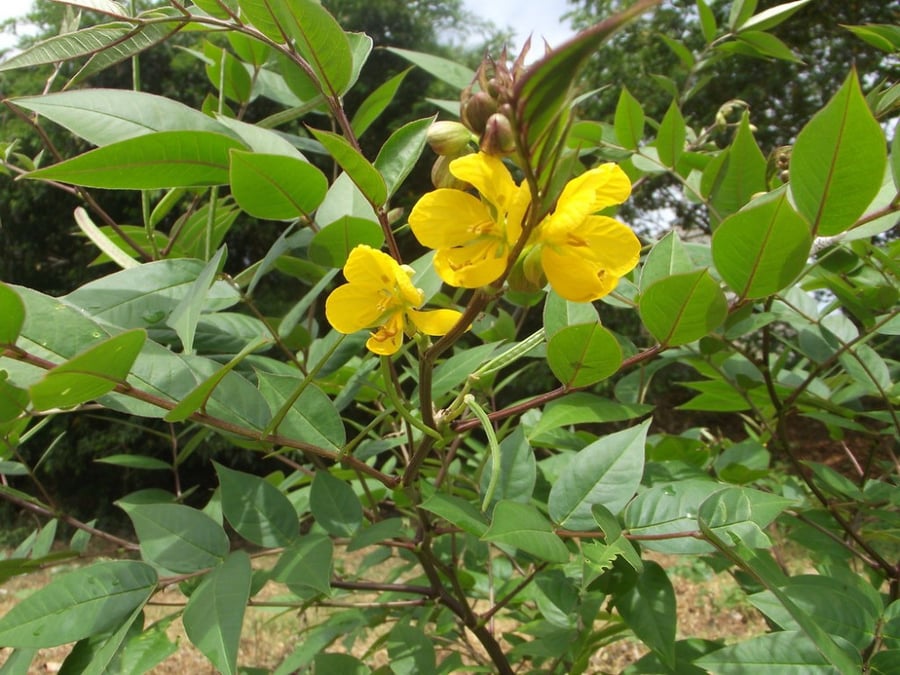
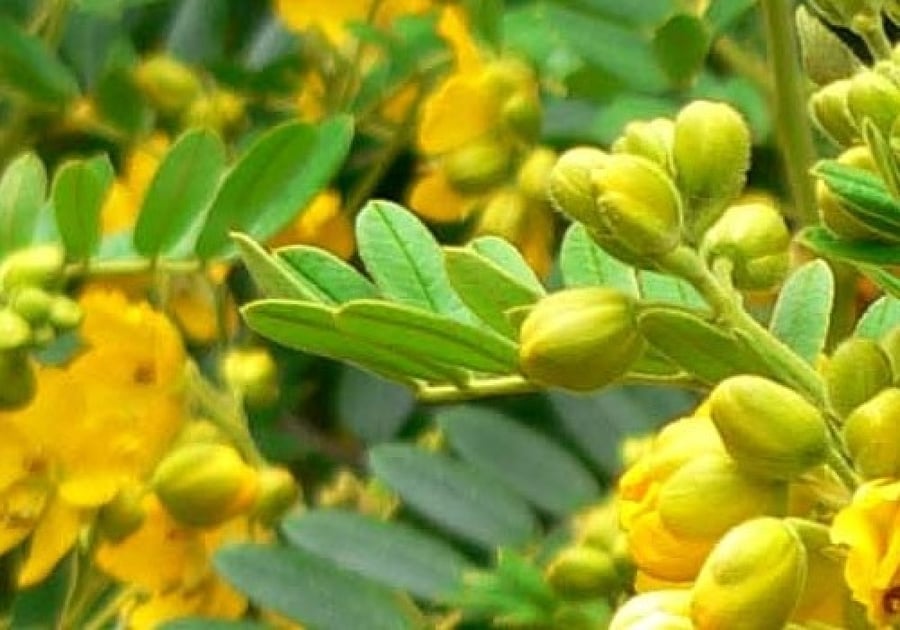
Cassia occidentalis tree, coffee bean, dedicated coffee. Scientific name: Senna occidentalis. Perennial tropical shrub, flowering year-round, reaching a height of approximately 0.5 – 2.5 meters. Grown in shady warm areas. Its original habitat is Australia, East Africa, tropical and subtropical regions of America, and tropical areas. It grows well in warm and humid conditions, tolerates heat and drought. Its leaves are pale green with pointed tips, 2 – 10 cm long and 2 – 3 cm wide. Its beautiful yellow flowers are 2 – 3 cm wide, with five petals, borne in small groups on the upper leaf spines, and have a distinctive aromatic scent. Its stems are upright with a purple-red color. Its fruit is a somewhat flat dark-colored pod, straight or slightly bent, with pale lines on the edges when ripe. A clear dark gland appears at the base of the ovary (leaf stalk), but not on the petioles. Its seeds can be used as a coffee substitute, although they are considered toxic to livestock and contain no caffeine. It has many medicinal and health uses and is considered insect-repellent. Propagation: by seeds. Soil type: grows well in sandy and clay soils. Soil pH: acidic (highly tolerant of acidic soils). Soil moisture: moist. Soil drainage: good drainage and aeration. Watering: well-watered regularly. Light exposure: sunny in shaded areas. Blooming time: mid-summer and mid-autumn in moderate climates. Suitable planting locations: roadsides, open forests, wild areas. Pruning and trimming: removing spent flowers (deadheading) helps promote more flowering later. If there are many dead flowers, you can cut them with scissors or garden shears. Reduce plants by a quarter to half to maintain a tidy habit and improve growth late in the season. Cultivation method: after drying for seed storage, it may benefit from scarification before sowing to accelerate and improve germination. Usually done by pouring a small amount of boiling water over the seeds (be careful not to cook them!). Then soak for 12 – 24 hours in warm water; by this time, they should have absorbed moisture and swollen. If they haven't absorbed moisture, scarify the seed coat (be careful not to damage the embryo) and soak for another 12 hours before planting. Dig a deep hole in the soil. Place the seeds inside the hole at a good depth. Cover all the seeds. Water them.

Questions you might have