




Lavender seeds
7ر.س
Product description
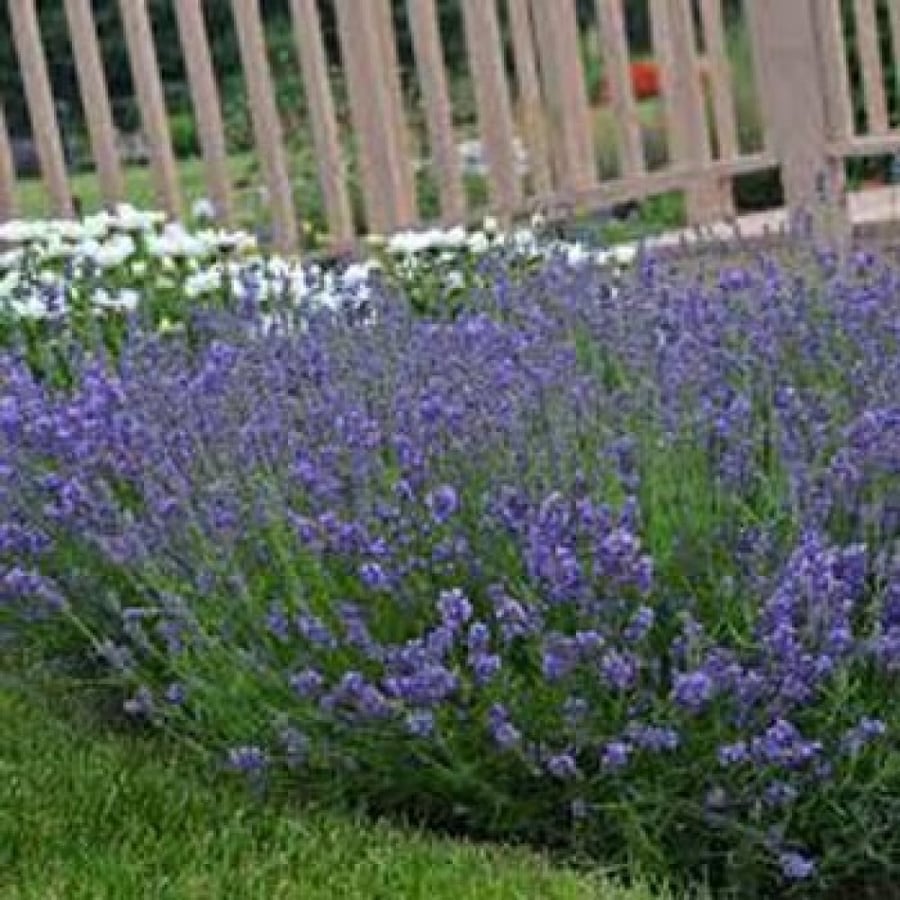
Lavender plant, the name in Arabic: اللافندر, the scientific name: Lavandula angustifolia. An evergreen perennial shrub, with a fragrant scent, grows in a warm or moderate climate away from very cold or hot climates, as this affects the plant's roots and its smell. It has small violet-blue flowers that are spiral-wrapped, its stem is solid, many-branched, green, and square, turning woody with the following year. Its leaves are thin, green, leaning towards a leaden color, deeply divided, covered with hairs. Its height is estimated from one meter to two meters. Its original habitat is in mountainous areas in the Mediterranean. Lavender is cultivated as an outdoor ornamental plant, planted in summer and autumn, and usually blooms early to mid-summer, lasting about 3-4 weeks. Its flowers produce oil with many uses, and lavender flowers and oil can be used in medicine, and lavender is used for anxiety, insomnia, depression, headaches, and pain. It is also used to add flavor to foods and drinks, to add a fragrant scent to soap, in addition to medicinal and cosmetic uses.
Propagation: seeds, cuttings. Soil type: all types of soil adapt, but sandy soil is preferred. Soil pH: alkaline. Soil drainage: well-drained. Fertilization: every three or four months. Growing conditions: planted in open, sunny spaces. Watering: good and regular watering. Suitable places for cultivation: collective farms, rocky gardens, along pathways and high boundary walls, home gardens, kitchens, roads.
Lavender planting method: First, prepare the soil: before planting lavender seeds or cuttings, the soil must be well prepared by identifying the soil type—whether sandy or clayey—and knowing the soil's acidity and pH level. The soil should also be supplied with fertilizers and chemicals needed to compensate for deficiencies in soil salts. The soil must be light and well-ventilated because lavender seeds need good aeration to prevent rotting. It is recommended to add half a cup of lime to loosen the soil, as it helps water drain easily from the soil to the outside.
Second, if planting seeds in summer: they must be placed in a plastic bag, sealed tightly, and the moist soil placed on top. The bag is then placed in the refrigerator for three weeks.
Third, cover the seeds after planting with potting mix: this protects the seeds while allowing sunlight to pass through to them.
Fourth, water the seeds gently without flooding them: watering should be done in the morning so that the soil dries by evening, preventing it from remaining moist.
Fifth, do not rush to uncover the lavender seeds: lavender seeds may need two weeks or a month to grow until germination occurs.
Sixth, transfer lavender plants outside or to a place that allows sunlight to reach the plants, and do not transplant until all lavender leaves have grown to avoid damaging the roots, ensuring the potting mix makes the soil easy to ventilate and drain water.
