


Soybean seeds
6ر.س
7ر.س-14%Product description
Seeds of Thuja plant
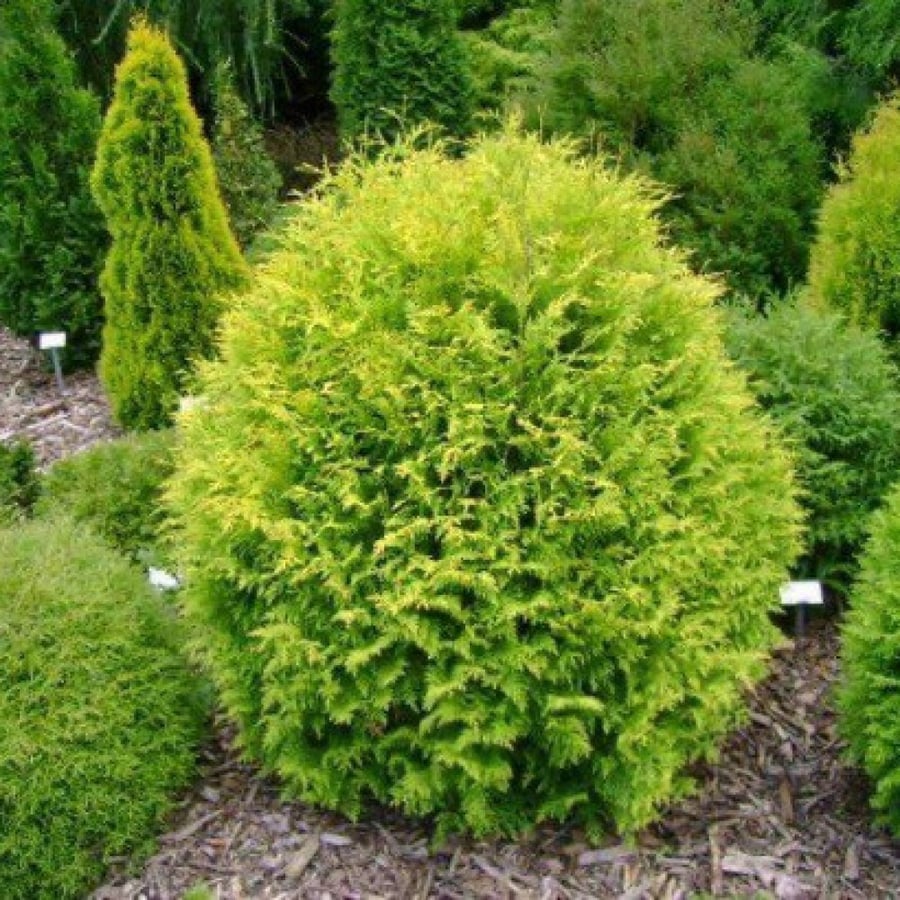
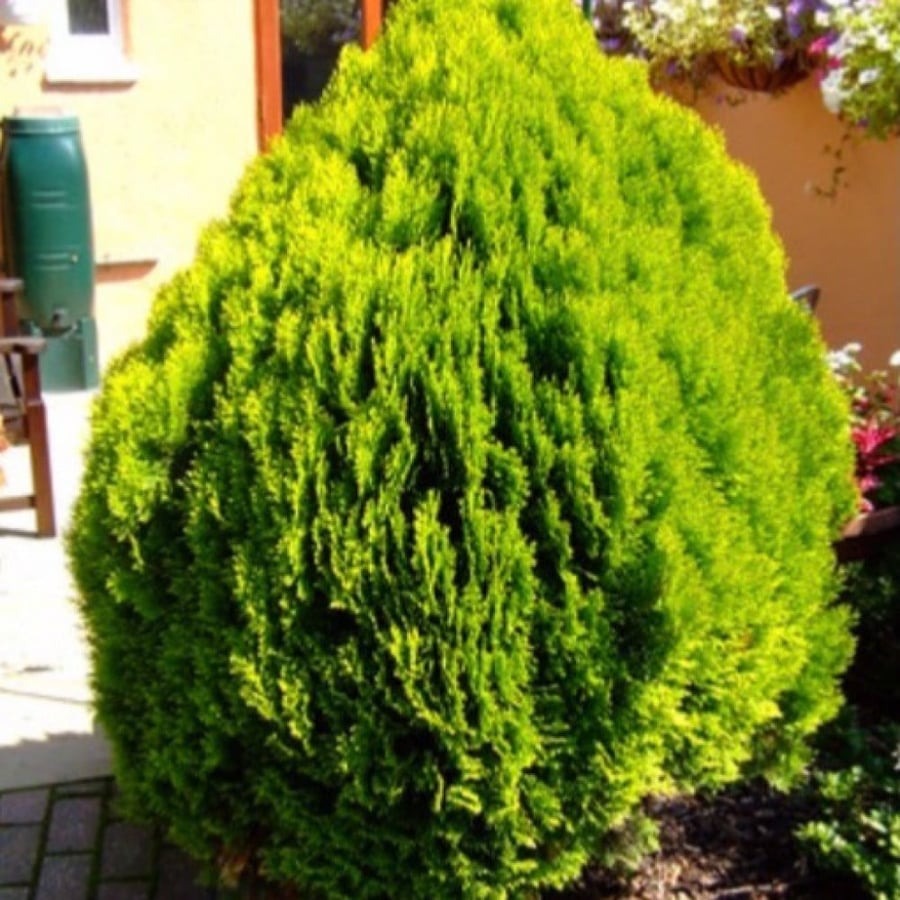
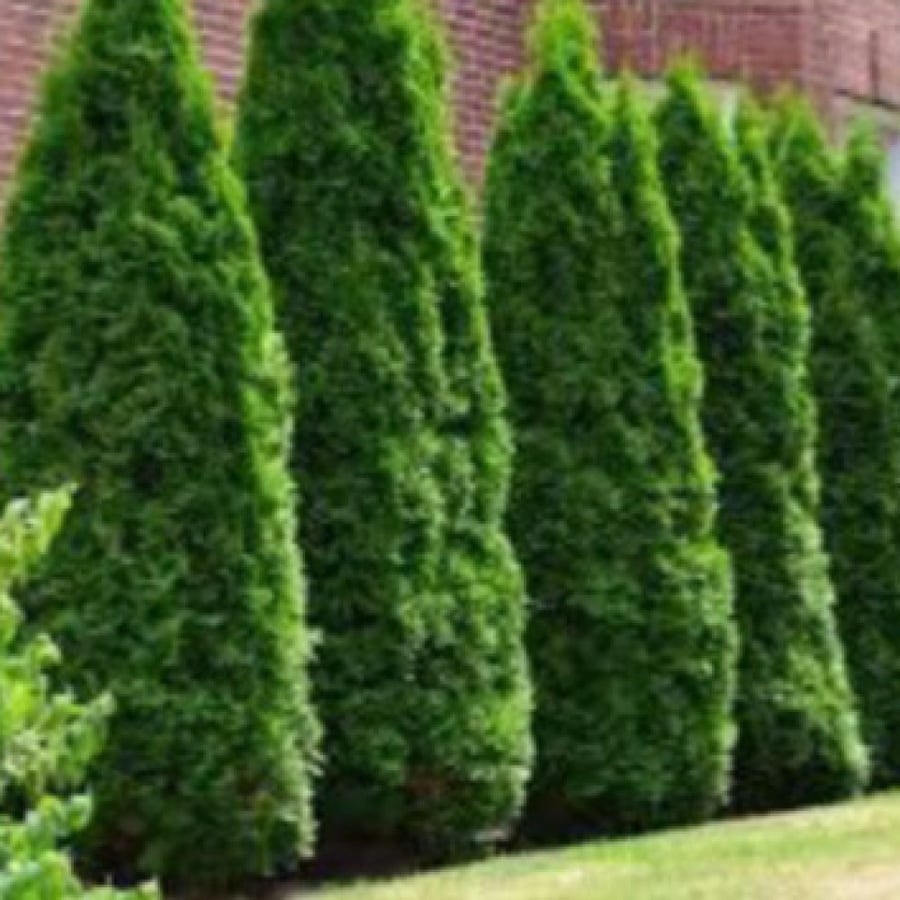
General description: Thuja plant, scientifically known as *Thuja*, is a type of evergreen tree or shrub belonging to the Cupressaceae family. The Thuja plant is characterized by its fine, scale-like leaves arranged in a flat shape, and its dark green color that remains throughout the year. Thuja trees are commonly used in shaping living fences and natural screens due to their dense and fast growth, and they can reach heights of 3-20 meters depending on the species.
Propagation: Thuja mainly propagates by seeds or cuttings. Growing from seeds takes longer but is an effective method for producing new plants.
Flowering time: Thuja is not known for its flowers, as it produces small, inconspicuous flowers that, after pollination, turn into small cones bearing seeds. Flowering usually occurs in late spring or early summer.
Seed planting method: Thuja seeds are small and may require cold stratification to stimulate germination. Seeds are planted in well-drained soil, at a shallow depth not exceeding 1 cm. After planting, it is preferable to place the containers in a cool place for 4-6 weeks (a refrigerator can be used for this purpose), then moved to a warm, sunny location for germination. Seeds may take several weeks to months to germinate.
Suitable climate and soil: Thuja grows best in temperate climates but can also tolerate cold and frost. Fertile, well-drained soil is preferred, but it can grow in various soil types, including clay and sandy soils. Thuja needs a sunny to partially shaded location.
Planting and cultivation timing: The best time to plant Thuja seeds is in late autumn or early spring, when temperatures are suitable for cold stratification and subsequent germination.
Its benefits and uses: Thuja is mainly used in landscaping to create living fences and decorative shrubs due to its ability to grow densely and quickly. It is also used as a natural barrier against wind and storms. Some types of Thuja are used in traditional medicine for their anti-inflammatory properties.
Native habitat: The origins of Thuja are in temperate regions of North America and East Asia. It has been cultivated in many parts of the world due to its various uses in gardens and decoration.
