





Lunararia flower seeds
7ر.س
Product description
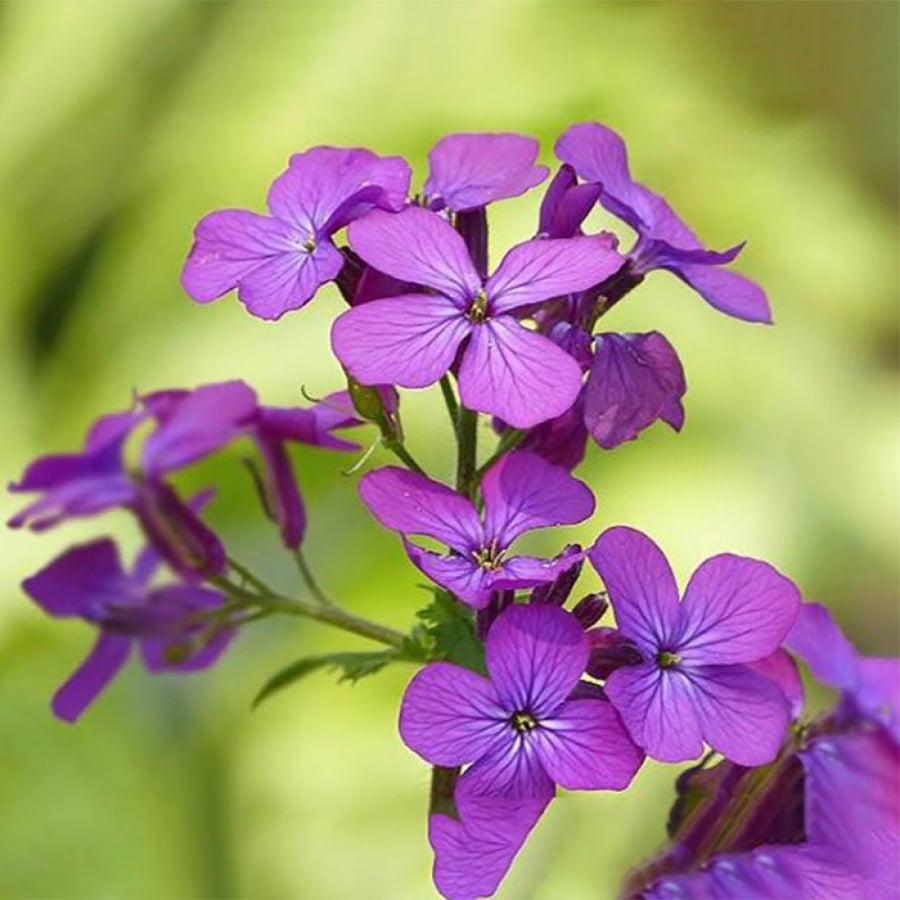
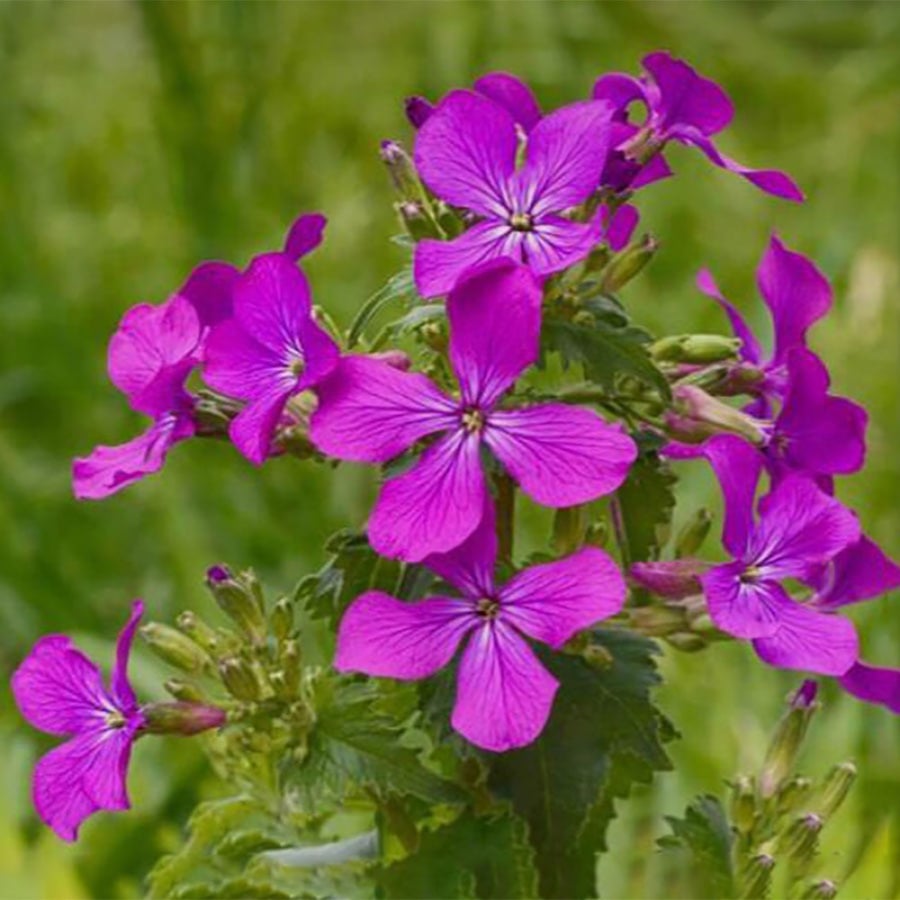
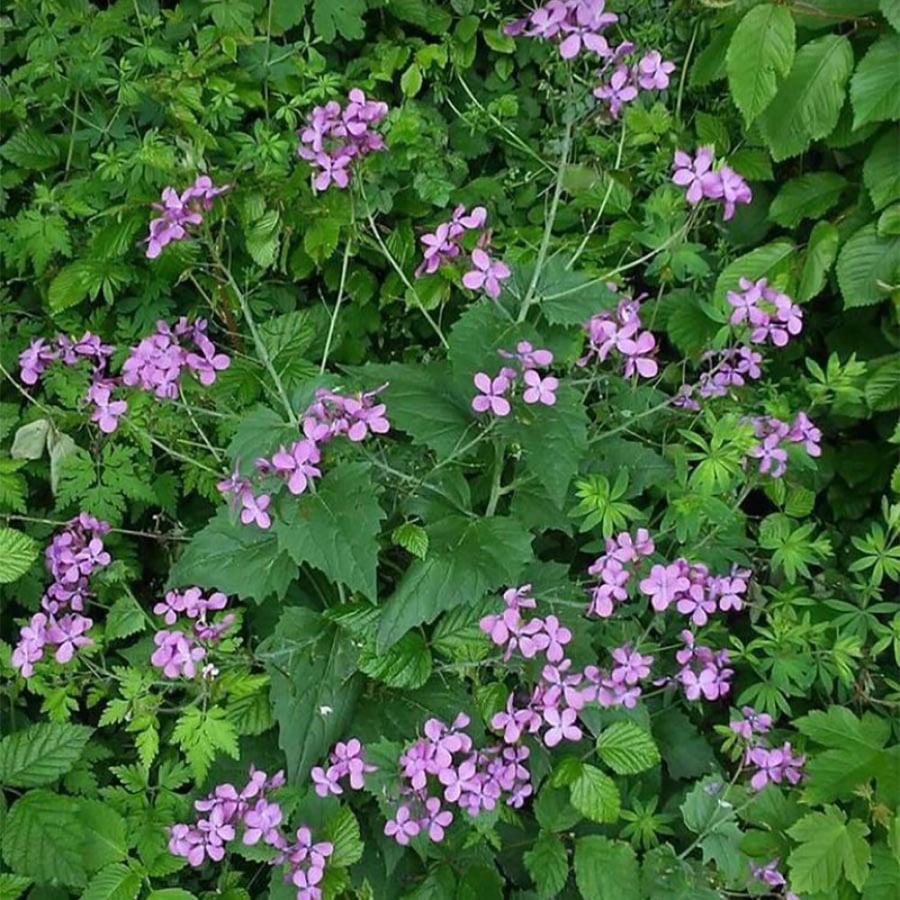
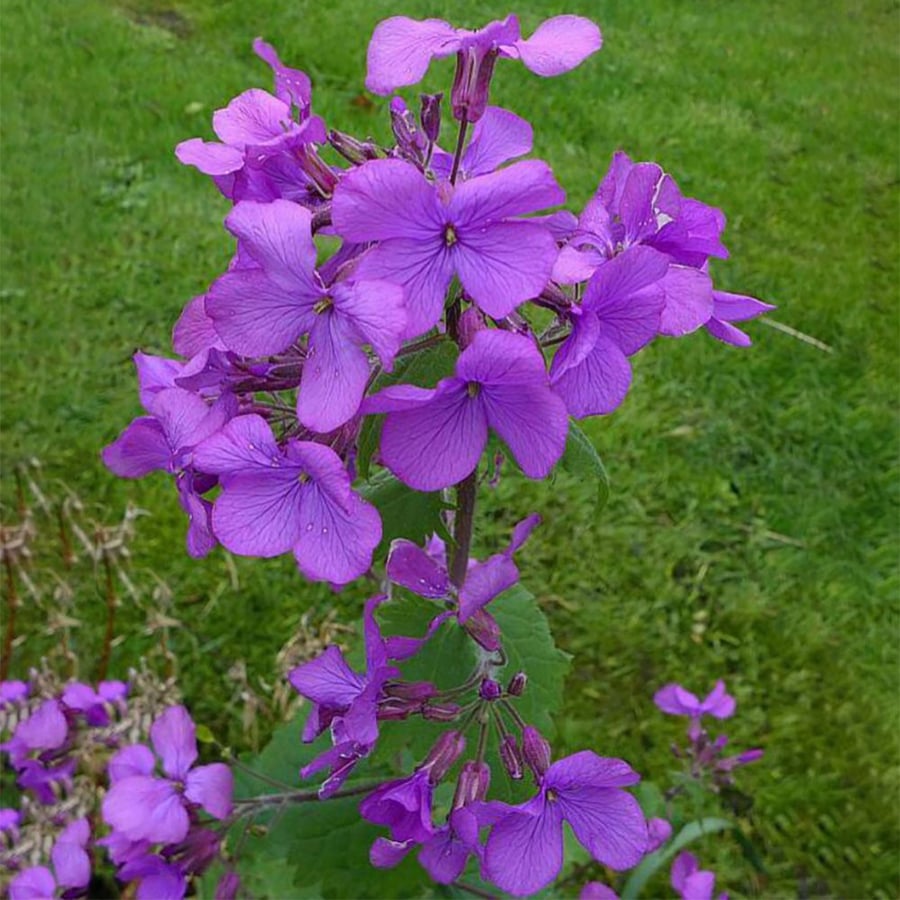
Lunaria annua flowers, a beautiful wild plant known in European farms and wilderness.
Scientific name: Lunaria annua
It is a word borrowed from Latin "Luna" which means the moon; indicating the shape and color of its fruits, and the word "Lunaria" refers to what takes the shape of the moon; so the meaning of its name in Arabic is: (Al-Qamariya).
Among its common names, the plant is called Al-Amanah (Trust) because of the transparency of its fruits.
Plant family: Brassicaceae
Lunaria annua is a deciduous, biennial or perennial plant, tolerant of moderate to relatively hot climatic conditions.
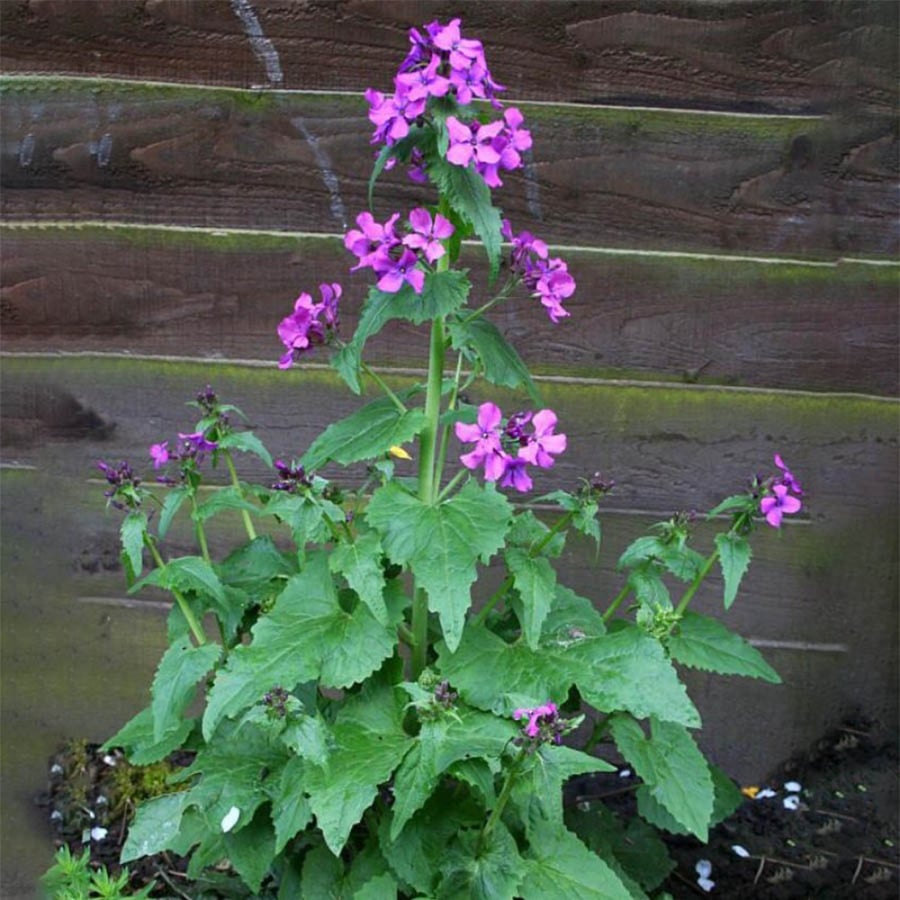
Its stem is hairy, and it has large, rough, pointed oval leaves with noticeable serrations.
The flowers bloom from late spring to summer, and the fruits appear in mid-summer.
This plant blooms in the second year of cultivation.
Flower colors: white, violet, purple.
Height: from 60 to 80 cm.
Propagation: propagated by seeds.
Growing Lunaria annua and environmental conditions:
This plant is easy to grow from seeds and tends to self-seed.
It is usually grown as a biennial, planted in one year to bloom the next.
It is suitable for planting in shaded or spotted areas, or in a flower garden.
Planting time: between the end of summer and the beginning of autumn, and it can also be planted in spring in a protected place until summer approaches.
Growing requirements: sunny or semi-shaded soil, rich in nutrients, deep, not too moist.
Tips: cut before the pods explode, dry in the shade, and observe the space to form strong stems.
Benefits of Lunaria annua flowers:
They attract butterflies, and are resistant to most pests and diseases.
One of the plant’s features is that it self-seeds, as mentioned earlier, in the place where the pods fell after drying.
It requires little care and is a hardy plant that tolerates low temperatures down to -20°C.

Questions you might have