

Cosmos flower seeds
6ر.س
7ر.س-14%Product description
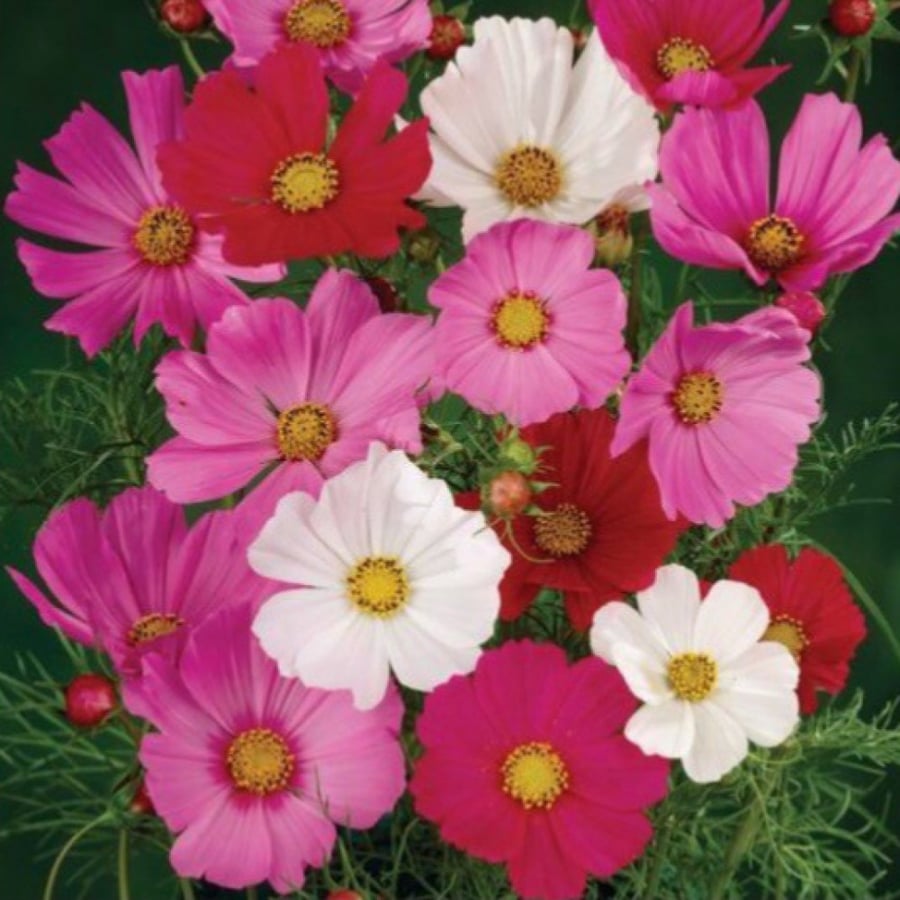
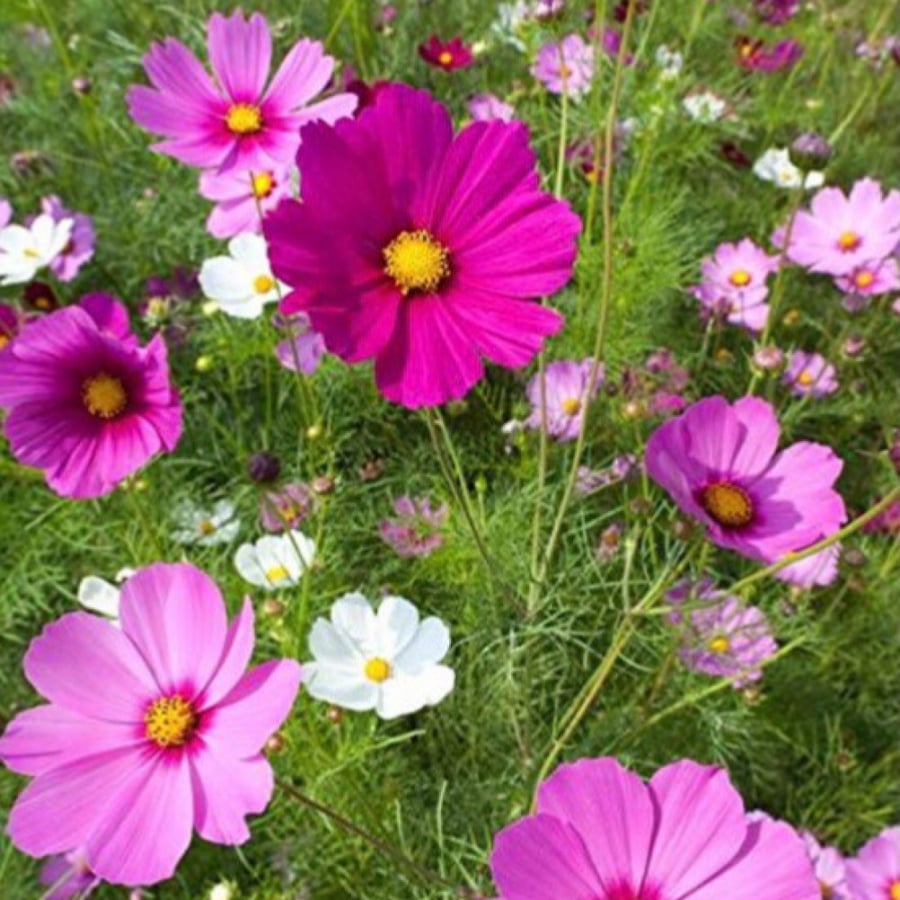
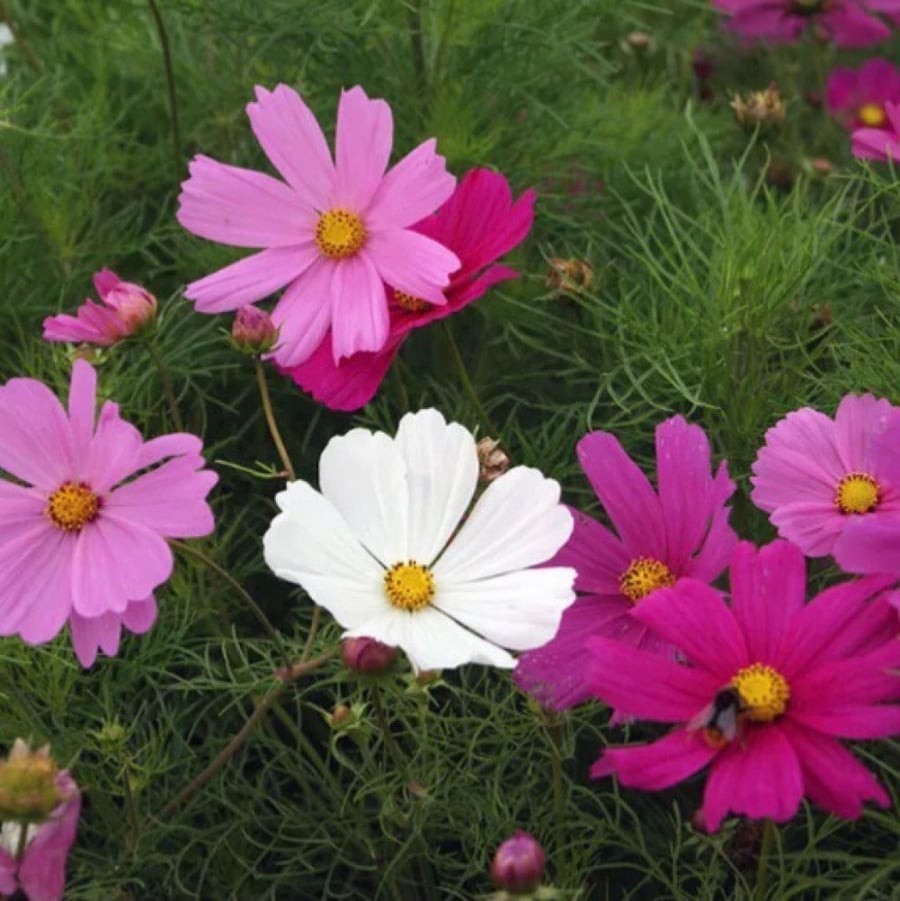
Cosmos bipinnatus seeds General description: Cosmos bipinnatus flowers, known scientifically as *Cosmos bipinnatus*, are annual ornamental plants characterized by their large, brightly colored flowers ranging from white to pink and purple. Cosmos is commonly planted in home gardens and parks due to the beauty of its flowers and ease of cultivation. It is also distinguished by its slender stems and finely dissected (precisely cut) leaves, giving it a delicate and elegant appearance. Reproduction: Cosmos plants reproduce through seeds. Growing cosmos from seeds is an easy and quick process, as the seeds germinate easily and produce strong, flowering plants. Flowering time: Cosmos flowers begin to bloom from late spring and continue until early autumn, providing a long period of beautiful flowers. How to plant seeds: Cosmos seeds are directly sown into the soil after the last frost in spring. The seeds are planted at a shallow depth, about 1 cm below the soil surface, with sufficient space between seeds to allow room for the plants to grow. Cosmos seeds need direct sunlight and typically germinate within one to two weeks. Suitable climate and soil: Cosmos flowers grow best in warm, sunny climates. They prefer well-draining, light soil but can grow in various soil types, including poor soil. They tolerate drought well and do not require much watering after germination. Planting and sowing time: The best time to plant cosmos seeds is in spring, after the last frost. Cosmos can also be planted in late summer for flowers in autumn. Benefits and uses: Cosmos flowers are mainly used as ornamental plants in gardens and parks due to their bright colors and long flowering period. These flowers attract butterflies and bees, making them beneficial for wildlife gardens. Additionally, they can be cut and used to decorate homes. Native habitat: Cosmos flowers originate from Mexico and Central America but are now spread worldwide as ornamental plants. Thanks to their adaptability to a wide range of climatic conditions, cosmos has become a favorite among gardeners and hobbyists.

Questions you might have