


Seeds of the silk tree
7ر.س
Product description
The Silk Tree
Scientific name: Melia azedarach
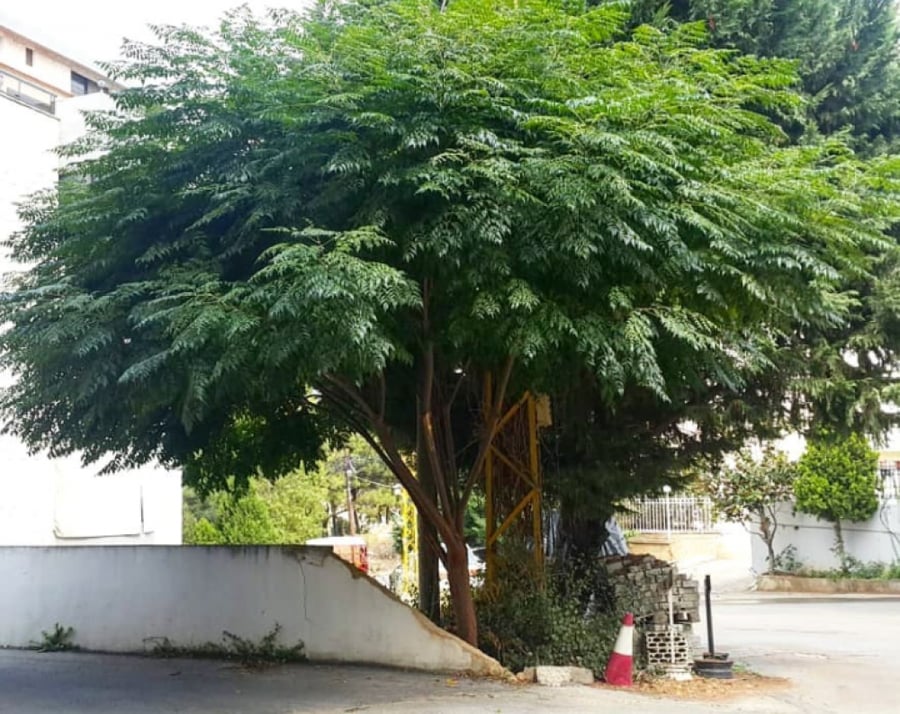
It is a deciduous tree, fast-growing, reaching a height between 10-15 meters, so it is used as a shade tree.
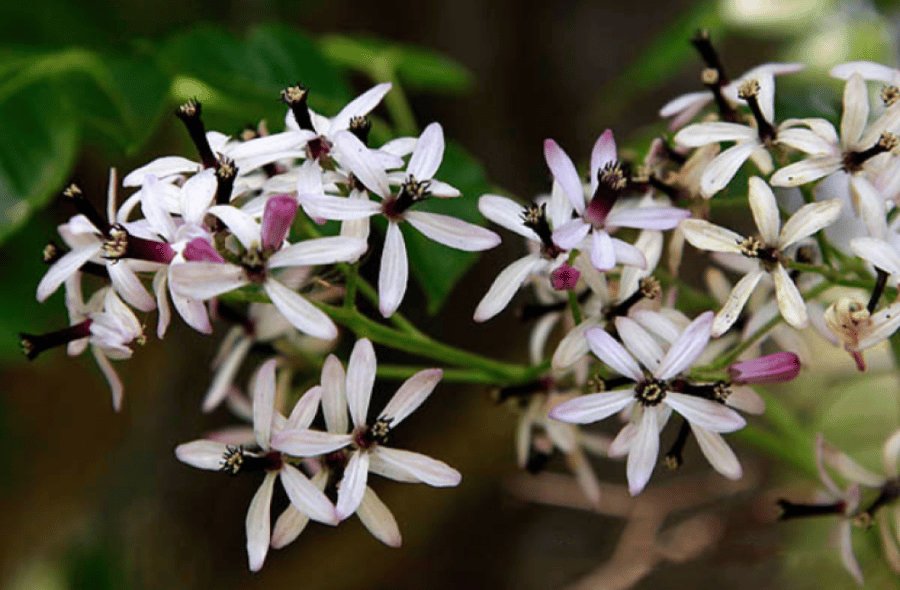
Its small violet flowers have a distinctive scent, bloom in the spring, and are characterized by dense clusters of violet and white colors.
It is considered an ornamental and shade tree that provides abundant shade.
It requires no special care, grows in various types of soil, and tolerates drought, frost, and soil salinity.
It also has medicinal and health benefits, and is also a mosquito and insect repellent.
It is similar to the neem tree in terms of growth and leaves.
Native to the mountainous regions of China and the Himalayas, it then spread to Arab countries to be used for firewood, fuel, heating, as well as in furniture making, insect resistance, and air purification.
It is a perennial tree that can live up to 150-200 years.
Propagation:
The Silk Tree propagates through seeds and cuttings.
Soil type:
Prefers fertile sandy soil and is not suitable for rocky lands.
Soil drainage:
The soil must be well-drained and ventilated because the tree is sensitive to waterlogging.
Soil pH:
Moderately alkaline.
Irrigation:
Moderate, without overwatering, as the tree is sensitive to waterlogged soil, which causes leaf yellowing.
Light exposure:
A light-loving tree requiring 4-8 hours of sunlight.
Blooming period:
From early May to the end of July.
Pruning:
Does not require extensive pruning due to the beauty of its foliage and its benefits in air purification and shading. Pruning is limited to removing diseased and competing branches.
Suitable planting locations:
Planted in public parks, gardens, or in waiting areas due to the extensive foliage, as well as in home gardens.
Planting method:
Note: Fruits are collected at the beginning of winter. First, they are cleaned in moist sand, then planted in early spring under suitable conditions of moderate humidity and temperature.
They are then transplanted to permanent soil during winter, with soil fertilization and direct watering.
Note:
Seeds should be soaked in hot water (not boiling) for 24-48 hours, then planted directly in soil or in pots. Alternatively, the seed can be peeled, and 4-5 seeds extracted, then directly planted in the soil.
