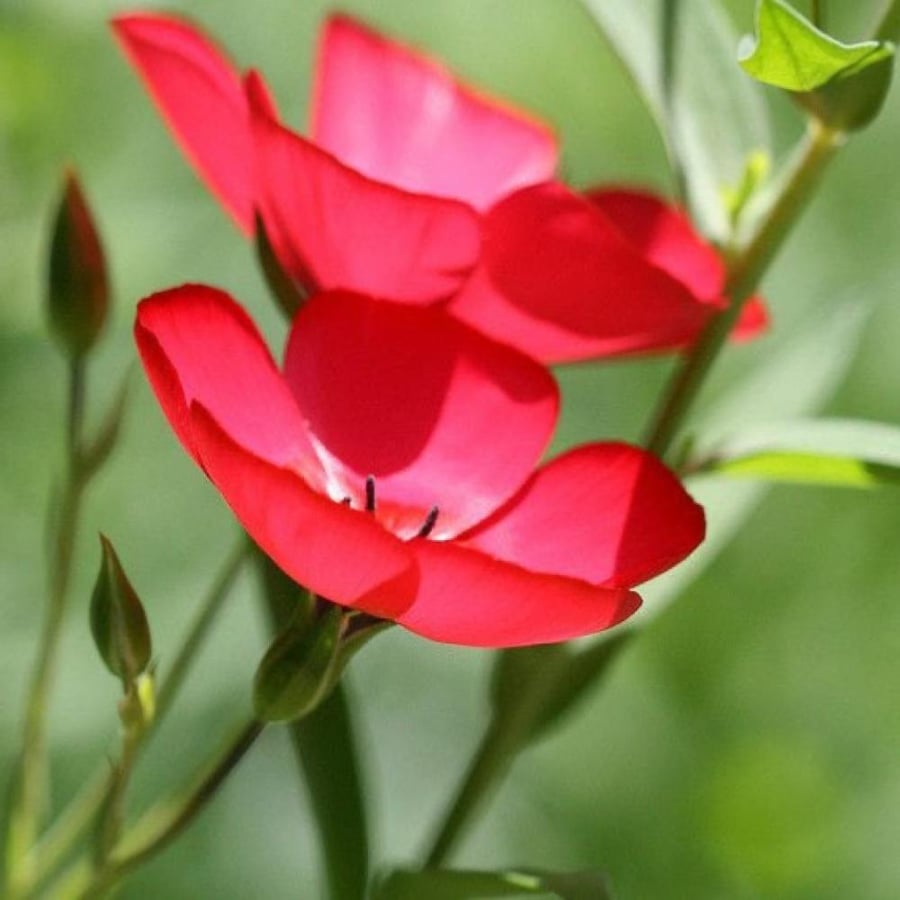


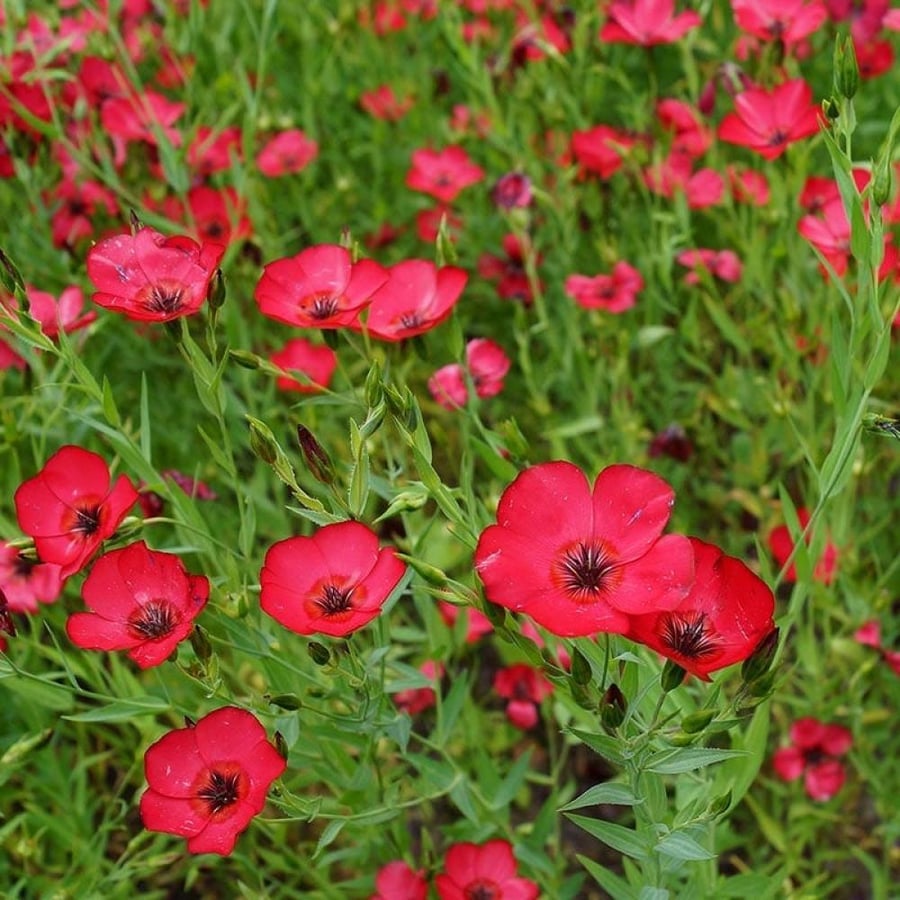


Flaxseed flowers
7ر.س
Product description
Flaxseed Flowers (Linum usitatissimum) General description: Flax flowers, scientifically known as (Linum usitatissimum), is an herbaceous flowering plant characterized by its delicate blue flowers that add an aesthetic touch to any garden. In addition to its visual appeal, flax is known for its use in producing flax fibers and seeds that contain important nutritional and health benefits. The plant can reach a height of 60 cm and is easily cultivated in various soil types. Reproduction: Flax reproduces through seeds, and its cultivation is one of the simplest home gardening methods suitable for beginners. Flowering time: The flax plant blooms in late spring and early summer, and the flowering period lasts for several weeks. The flowers are distinguished by their beautiful light blue color. Seed planting method: Flax seeds are planted directly into the soil after the frost season ends. The seeds are scattered on the soil surface and lightly covered with a very thin layer of soil, no more than 1 cm deep. The seeds need moderate moisture to germinate. The soil should be kept moist without overwatering. Suitable climate and soil: Flax prefers to grow in moderate and sunny areas. It can be cultivated in well-drained clay or sandy soil, and it tolerates relatively poor soil, but it yields the best results in soil rich in organic matter. Planting and cultivation timing: The best time to plant flax seeds is in spring, when the seeds begin to germinate within 10 to 14 days. Seedlings can be transplanted to the garden after they grow well. Benefits and uses: Besides its aesthetic appeal, flax is used in producing flax fibers used in textile manufacturing. Its seeds are a rich source of fibers and omega-3 fatty acids, and are used in preparing natural oils and dietary supplements. The flowers are also cultivated to attract pollinating insects such as bees. Native habitat: Flax originates from the Middle East and the Fertile Crescent, but it has become widely cultivated around the world due to its agricultural and industrial uses.
