




Seeds of the Sersou tree or Sism
7ر.س
Product description
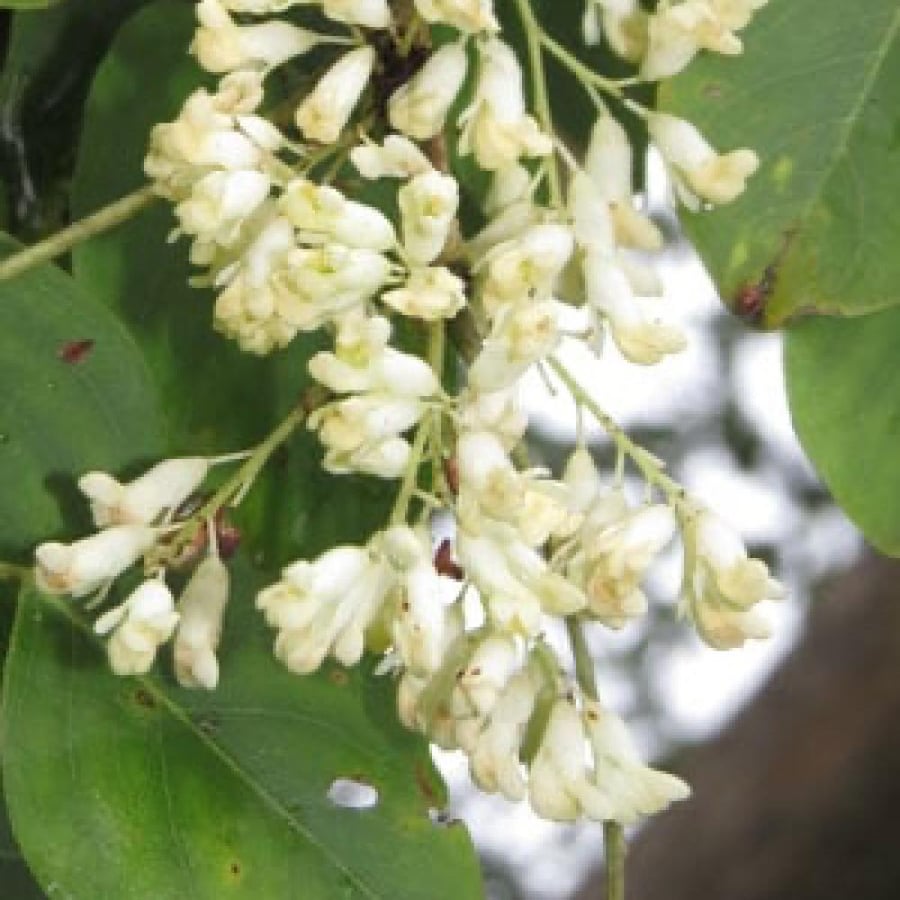
Seeds of the Sersou Tree or Sissam (Dalbergia sissoo) General description: The Sersou tree, scientifically known as Dalbergia sissoo, is a medium to large deciduous tree also known as "Indian Rosewood" or "Indian Rosewood." This tree is characterized by its strong and durable wood, which is commonly used in the manufacture of luxury furniture and flooring. The tree reaches a height of up to 20 meters, and features dark green oval leaves and small white flowers that bloom in spring. Reproduction: The Sersou tree reproduces through seeds collected from the flat brown fruits. It can also be propagated by cuttings or air layering. Blooming time: The Sersou tree usually blooms in spring, producing small clusters of white or creamy flowers. After flowering, pods containing seeds form. Seed planting method: Sersou seeds are planted in well-draining soil containing a mixture of sand and loam. It is preferable to soak the seeds in warm water for 24 hours before planting to improve germination. The seeds are planted at a depth of 1-2 cm in the soil, and soil moisture is maintained. The seeds require warm temperatures between 20-30°C, and germination takes from 2 to 4 weeks. Suitable climate and soil: The Sersou tree prefers hot and dry climates but can tolerate a wide range of climatic conditions. It needs fertile, well-drained soil and can adapt to clay or sandy soil. The tree is drought-resistant and tolerates poor soil. Timing of germination and planting: The best time to plant Sersou seeds is in spring, when temperatures are suitable for seed growth. Seedlings can be planted in the permanent site after the frost period. Benefits and uses: Sersou wood is used in the manufacture of luxury furniture, flooring, and musical instruments due to its high quality. The tree is also planted in afforestation projects to preserve the soil and prevent erosion. Additionally, the leaves are used as animal fodder. Native habitat: The Sersou tree originates from the Indian subcontinent, especially India, Pakistan, and Nepal. It is now cultivated in many regions around the world, especially in tropical and subtropical areas, due to its high-quality wood and economic value.
