Cassia fistula seeds
39ر.س
Product description
Seeds of Cassia fistula tree
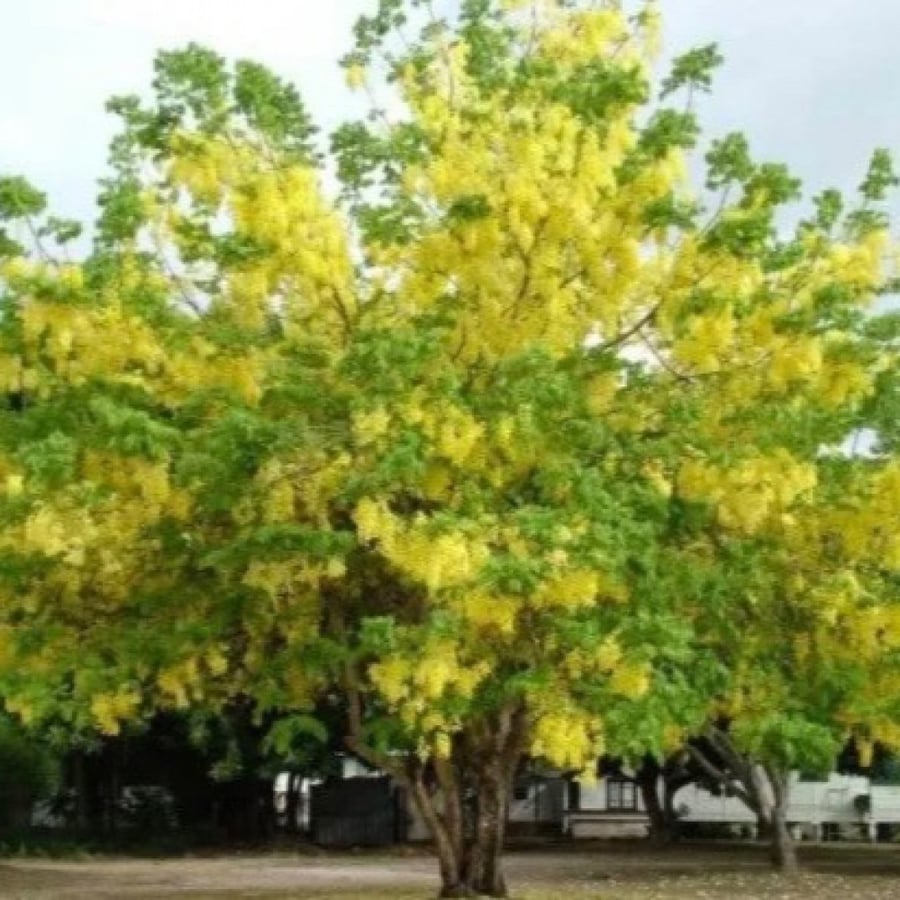
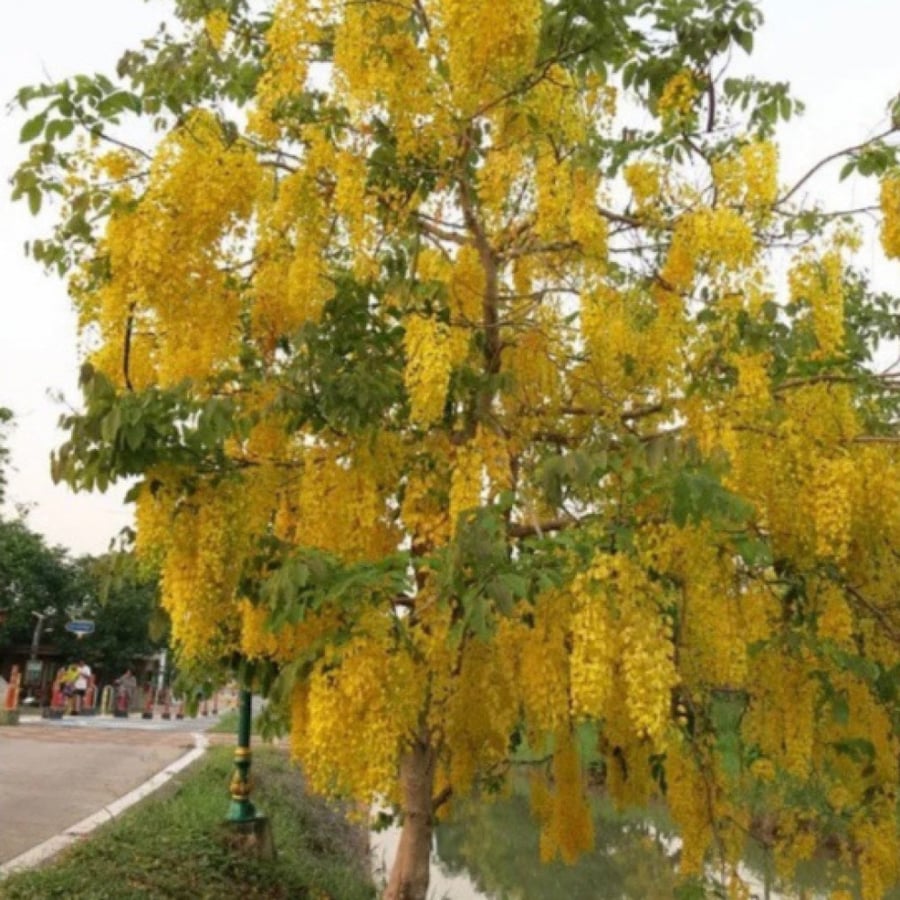
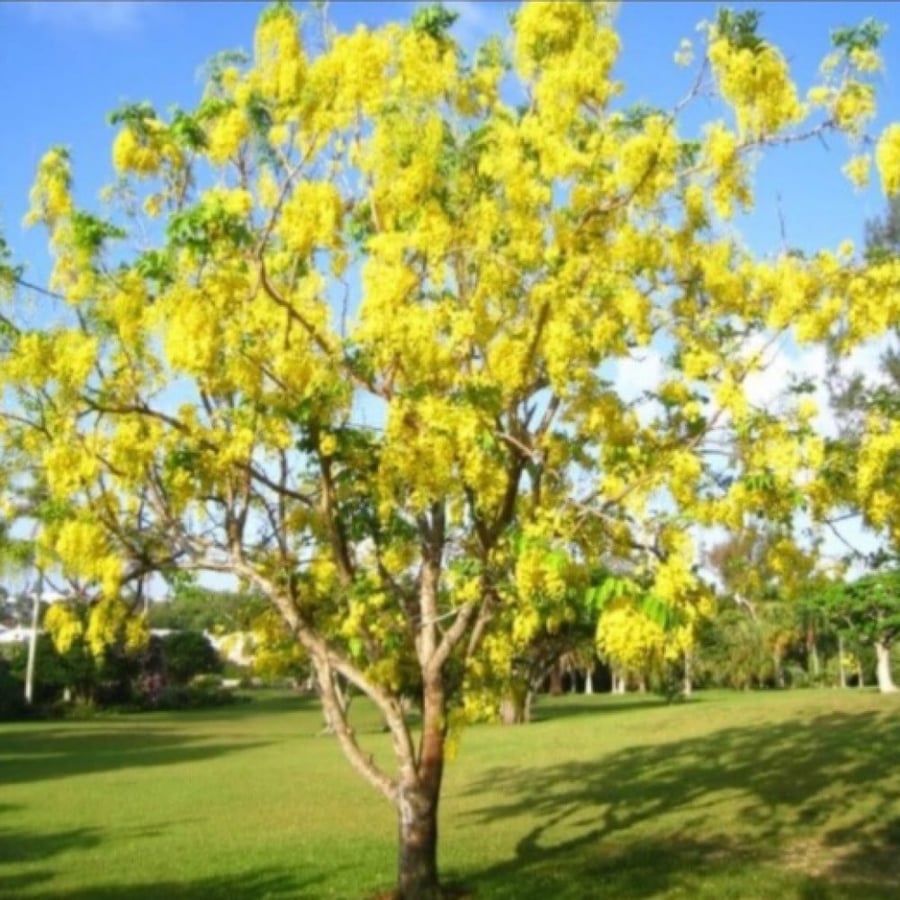
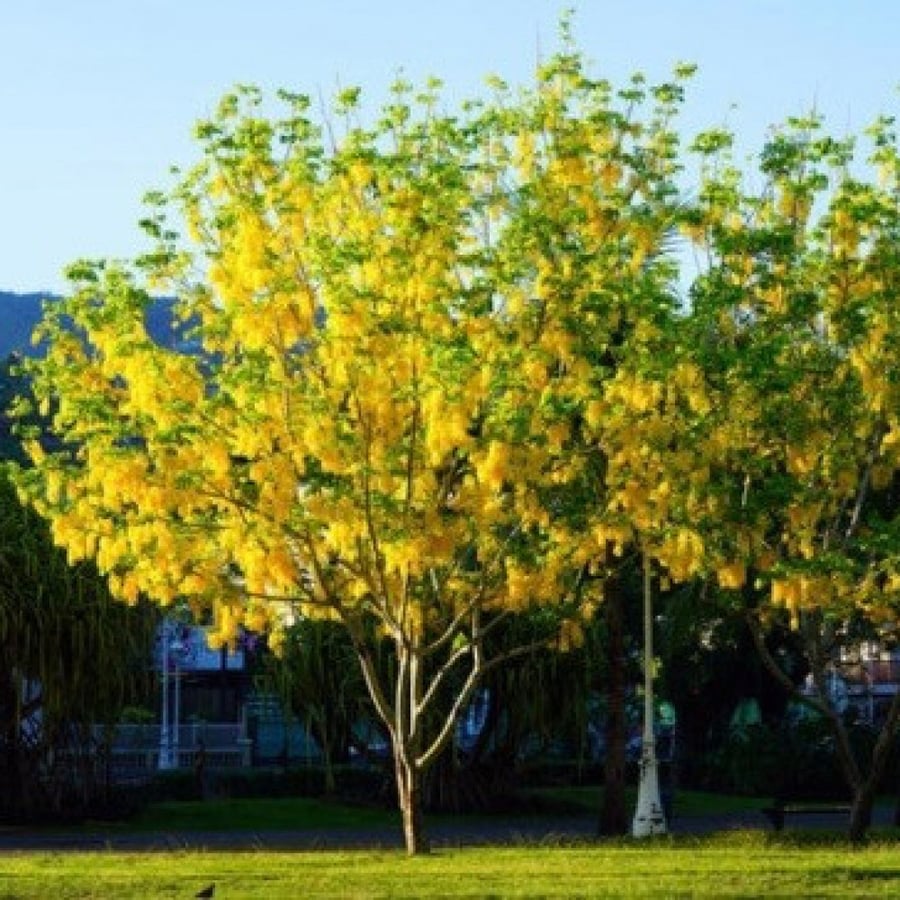
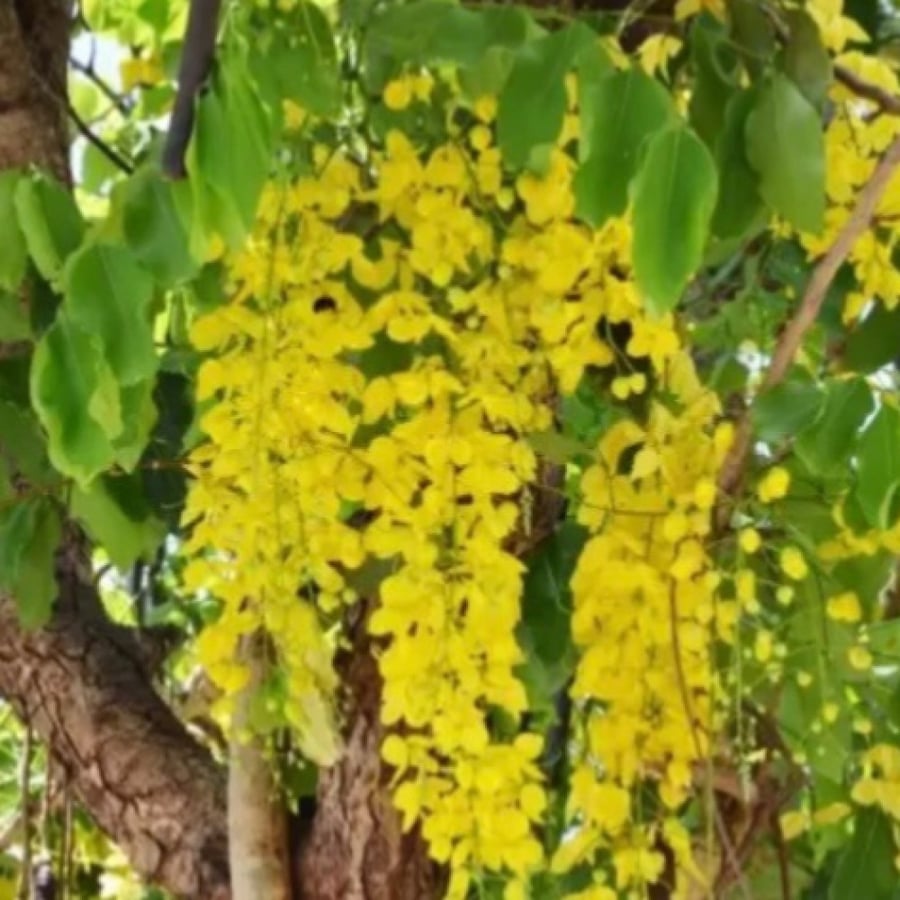
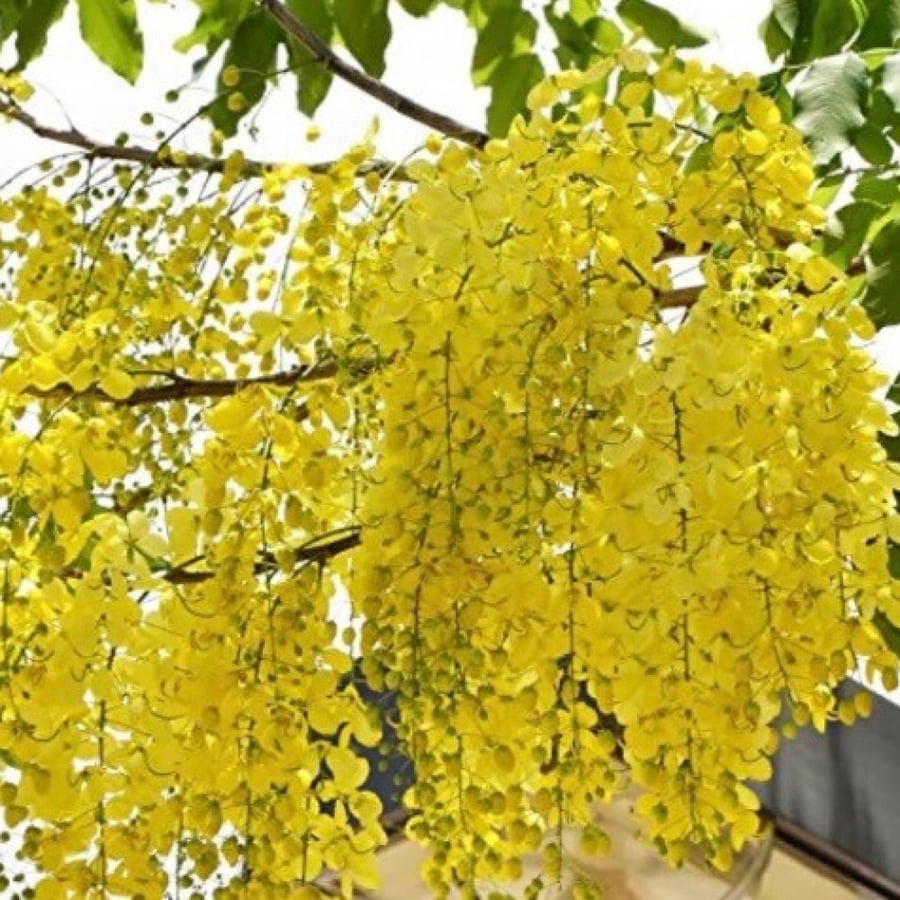
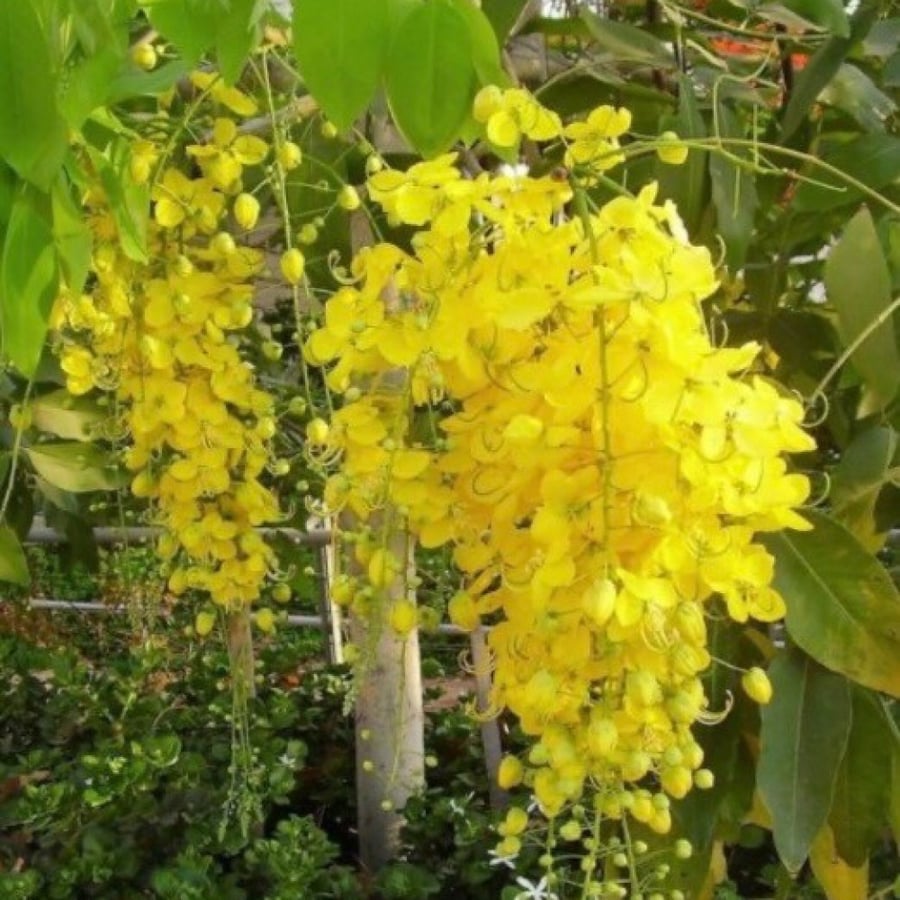
General description: Cassia fistula tree, scientifically known as Cassia fistula, also known as "Indian Laburnum" or "Golden Rain Tree." It is a medium-sized tropical tree famous for its bright yellow flowers that hang in long clusters resembling golden rain, making it one of the most beautiful ornamental trees. The tree reaches a height of 10-20 meters and is considered a symbol of beauty in many cultures.
Propagation: Cassia fistula tree propagates through seeds found in the long dark pods produced by the tree. Propagation by cuttings can also be used, but seeds are the most common method.
Blooming time: Cassia fistula blooms from late spring to early summer, with beautiful yellow flowers covering the entire tree, giving it a magical appearance.
Seed planting method: Before planting Cassia fistula seeds, it is preferable to soak them in warm water for 24 hours to stimulate germination. Seeds are planted at a depth of 1-2 cm in well-draining light soil, such as a mixture of sandy and loamy soil. The seeds need a warm, sunny environment and usually take 2 to 3 weeks to germinate.
Suitable climate and soil: Cassia fistula prefers tropical and subtropical climates, where it grows best in hot, dry areas. It needs fertile, well-drained soil and tolerates sandy and clay soils. The tree requires direct sunlight for optimal growth and flowering.
Germination and planting time: The best time to plant Cassia fistula seeds is in spring, when temperatures are ideal for seedling growth. Seedlings can be planted in the permanent location after the frost period.
Benefits and uses: Cassia fistula tree is mainly used as an ornamental tree in gardens and parks due to its beautiful flowers. Additionally, parts of it are used in traditional medicine in some cultures to treat digestive problems and skin diseases. The tree is also considered a symbol of cultural heritage in India and Thailand.
Native origin: The origin of Cassia fistula tree is in South Asia, especially India, Sri Lanka, and Pakistan. It is now cultivated in many tropical and subtropical regions around the world due to its beauty and multiple benefits.

Questions you might have