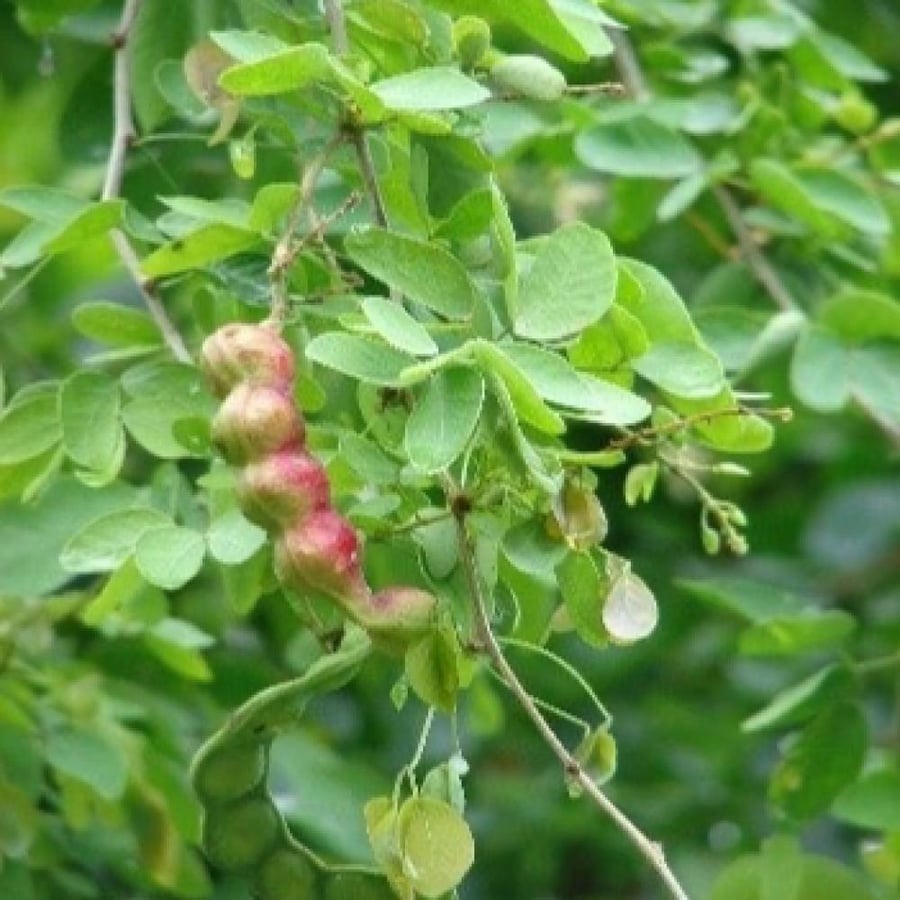


Seeds of the Indian Almond Tree (Pithecellobium)
6ر.س
Product description
Seeds of Pithecellobium dulce (Indian Almond Tree) general description: The Indian Almond Tree, also known as "Sea Almond" or "Manila Tamarind," is a medium-sized tropical tree belonging to the legume family. It is characterized by its compound leaves and sharp thorns, and produces spiral-shaped fruits containing seeds surrounded by a sweet-tasting pulp. The tree reaches a height of 10-15 meters and is an excellent choice for planting in gardens and agricultural lands. Propagation: The Indian Almond Tree mainly propagates through seeds. The seeds are collected from mature fruits after they dry, and cleaned before planting. Flowering time: The tree blooms in late spring and early summer, with flowers appearing as small cream-colored clusters that attract bees and butterflies. Seed planting method: Before planting, it is preferable to soak the seeds in warm water for 24 hours to accelerate germination. The seeds are planted at a depth of 1-2 cm in well-draining, organic-rich soil. Regular watering is necessary until seedlings appear. Suitable climate and soil: The tree grows well in hot and tropical climates, tolerates drought and soil salinity. It prefers sandy or loamy soil, but can grow in various soil types as long as they are well-drained. Planting and germination timing: The best time to plant Indian Almond seeds is in spring or early summer, as seeds typically germinate within 2-4 weeks. Benefits and uses: The tree has multiple benefits; its fruits are used in traditional cooking and eaten as a snack. It is also planted as a windbreak in dry areas and to provide shade. Additionally, its wood is used for simple carpentry, and it serves as a nectar source for honey production. Native origin: The Indian Almond Tree originates from Central America and Mexico, but has spread widely in tropical regions around the world such as Southeast Asia and India.
