


Termanalia Mentali tree seeds
7ر.س
Product description
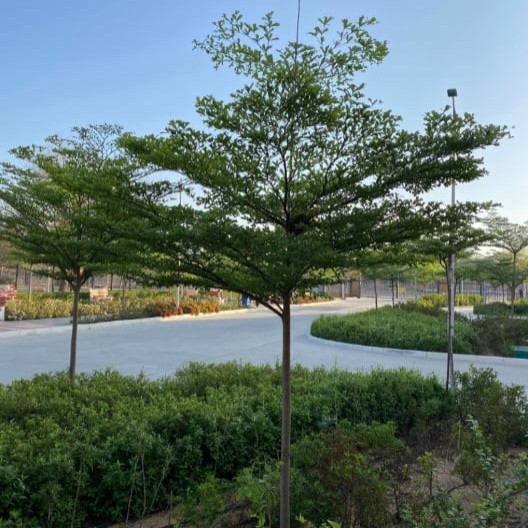
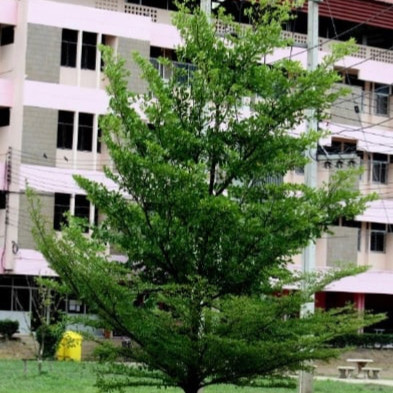
Seeds of the Terminalia mantaly tree (Terminalia mantaly) General description: The Terminalia mantaly tree, scientifically known as Terminalia mantaly, is an ornamental tree also known as "Umbrella Tree" or "African Almond Tree." It is characterized by its unique appearance, with its branches growing horizontally on successive levels, forming layers resembling an umbrella. The tree reaches a height of about 10-20 meters, and is distinguished by its small oval leaves that turn red or yellow in autumn and winter. Reproduction: The Terminalia mantaly tree reproduces by seeds, and can also be propagated by cuttings, but seeds are the most common method. Flowering time: The tree blooms in late spring and early summer, producing small inconspicuous flowers that are white or yellow. The flowers turn into small oval fruits containing seeds. Seed planting method: It is preferable to soak the seeds of Terminalia mantaly in warm water for 24 hours before planting to improve germination rate. The seeds are planted in well-draining soil at a depth of 1-2 cm. The soil should be kept moderately moist and planted in a sunny or partially shaded location. Seeds take from 2 to 4 weeks to germinate at temperatures between 20-30°C. Suitable climate and soil: The Terminalia mantaly tree grows best in tropical and subtropical climates. It prefers fertile, well-drained soil, but can tolerate sandy and clay soils. The tree is drought-resistant once mature and can withstand poor soil. Planting and cultivation timing: The best time to plant Terminalia mantaly seeds is in spring or early summer, when climatic conditions are suitable for seed growth. Benefits and uses: The Terminalia mantaly tree is used as an ornamental tree in gardens, parks, and streets due to its distinctive shape. It provides good shade and is resistant to pollution, making it suitable for urban areas. Native habitat: The origin of the Terminalia mantaly tree is Madagascar, but it now spreads to many tropical regions around the world, including Africa, Asia, and Latin America, where it is cultivated as an ornamental and shade tree.

Questions you might have