Ficaria verna flower seeds
6ر.س
Product description
Primrose flower, spring Ficaria verna
Scientific name: Ficaria verna
From its names…
Tulip poppy, spring primrose, spring Borage.
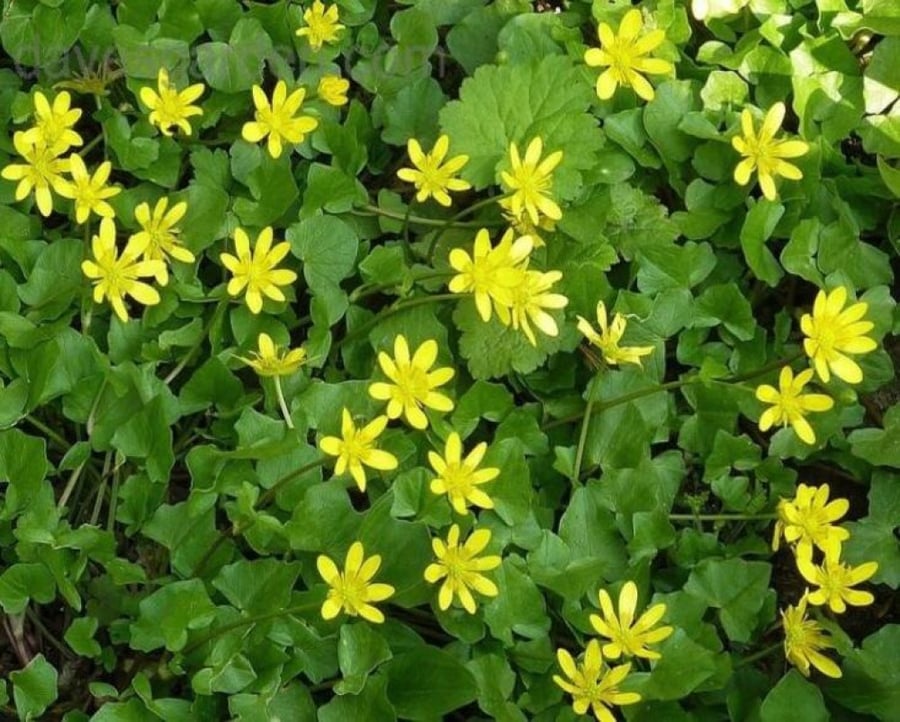
A spring herbaceous plant, easy to cultivate, reaching a height of up to 30 cm, its stem is bright green, beautiful, and vibrant.
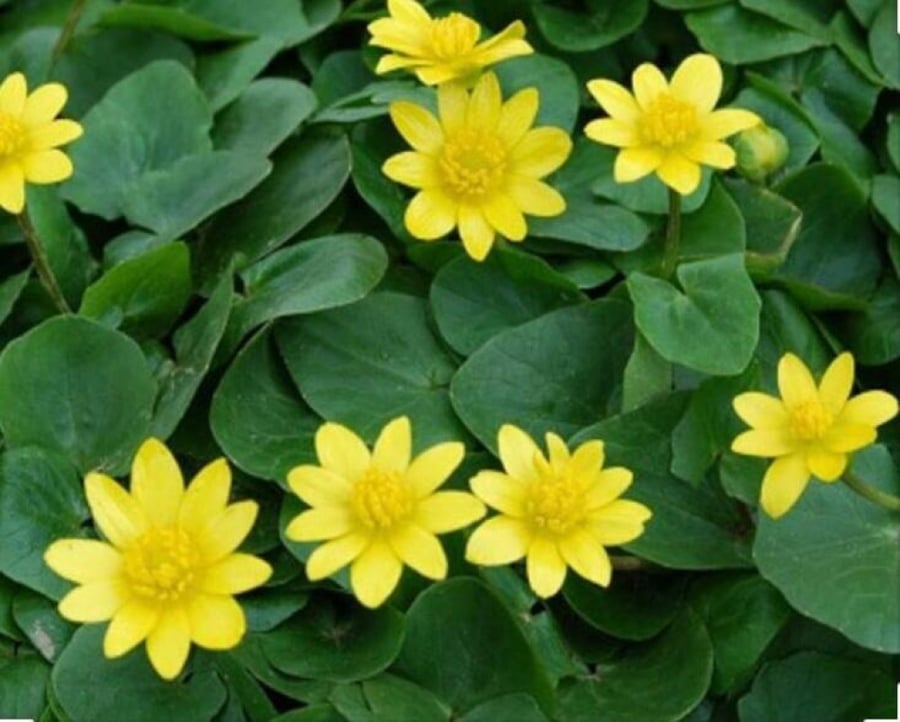
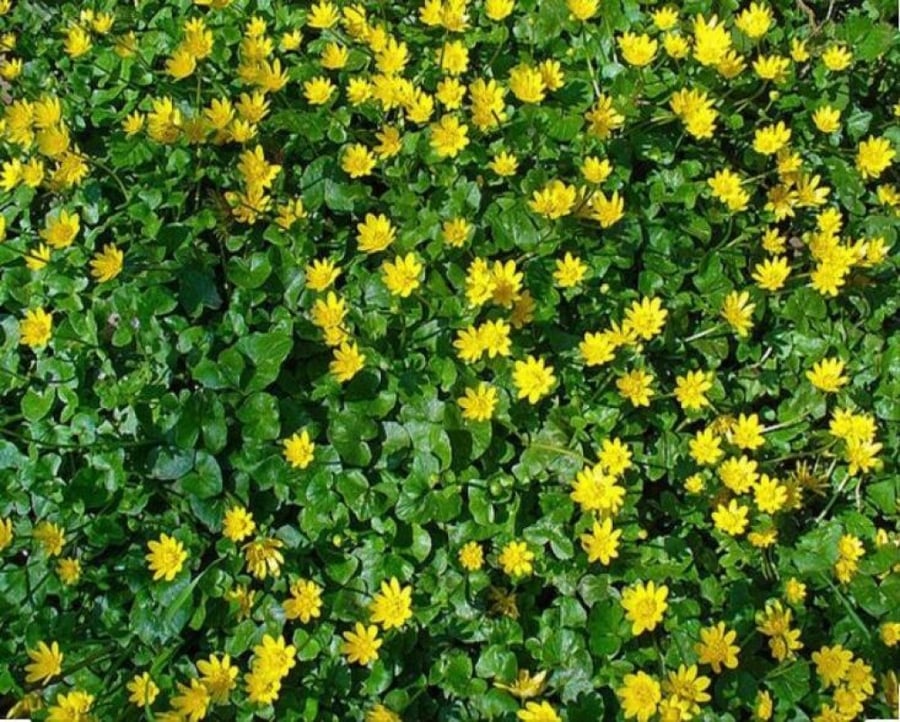
Its leaves are dark green, basal, heart-shaped, rounded, spreading on drooping branches, smooth, shiny, with slightly wavy edges, and vary greatly in size.
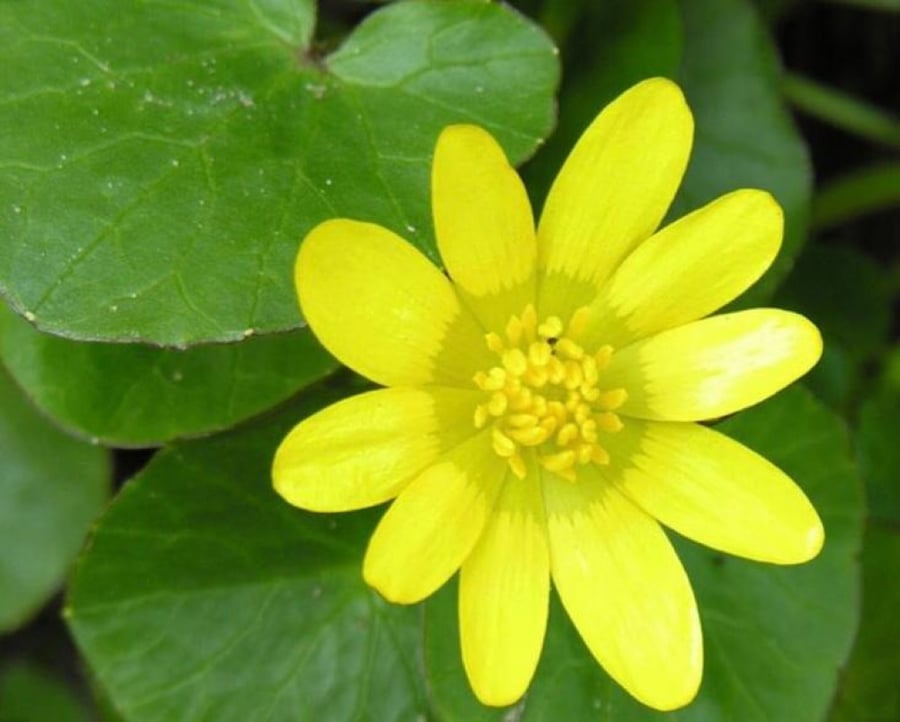
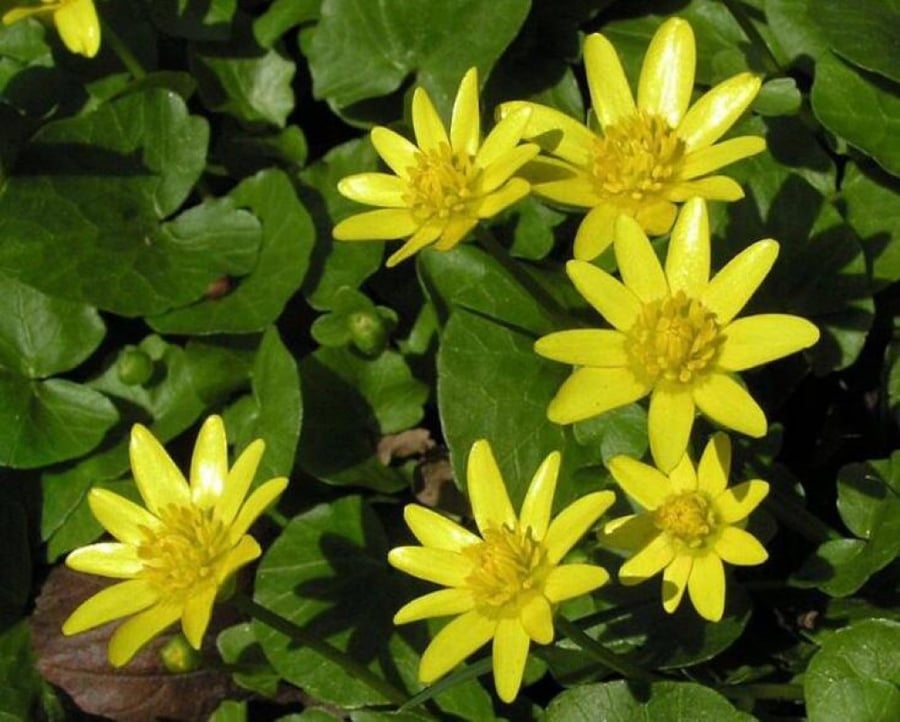
Its attractive, beautiful flowers are bright yellow, consisting of nine to twelve golden yellow petals with a green underside.
The center of the flower is round and light green.
It is considered one of the wonderful flowers early spring and among the most attractive plants with soothing colors to the eye.
It appears magical when cultivated as a carpet under trees or shrubs, often forming a dense ground cover upon establishment.
It grows in high and dry areas, tolerant of drought.
The plant buds usually appear early from late January to February, with flowers beginning to bloom in March and April.
Its native habitat is Europe, parts of North Africa, and Asia.
This plant has medicinal and therapeutic benefits and helps with many diseases such as king's disease in the ears, throat, and other tumors.
Its oil or fats can cure hard fatty cysts.
Half a cup of pus from this plant helps in complete recovery from king's disease within a week.
Reproduction: It reproduces through seeds.
Soil type: Suitable for sandy, loamy, and clay soils (compatible with most soil types).
Soil drainage: Well-drained and ventilated.
Soil pH: Alkaline, neutral.
Light exposure: Needs full sunlight and tolerates partial shade.
Watering: Regular and moderate amounts.
Blooming time: This plant blooms in early spring and quickly disappears at the end of it (March and April).
Pruning and trimming: Removing spent flowers (deadheading) helps promote more flowering later.
If many dead flowers are present, you can cut them with scissors or garden shears.
Reduce the plants by a quarter to half to maintain a tidy habit and give them a better chance to grow later in the season.
Suitable planting places: Public gardens, home gardens, rock gardens, roadside edges, windows, rooftops, pond edges, and streams.

Questions you might have