


Jatropha tree seeds
7ر.س
Product description
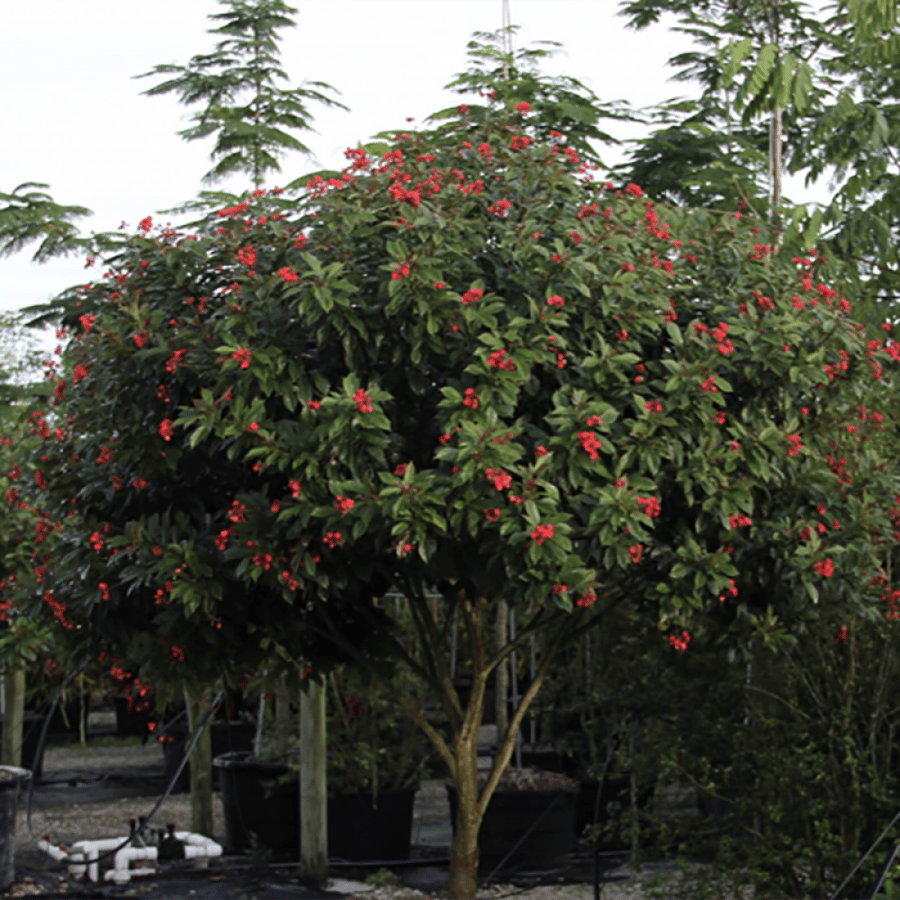
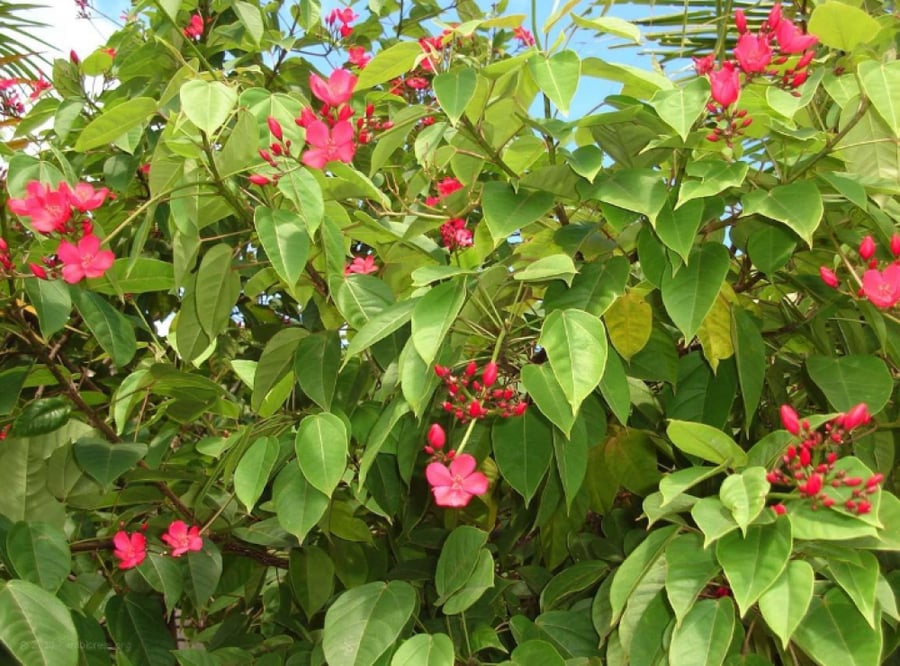
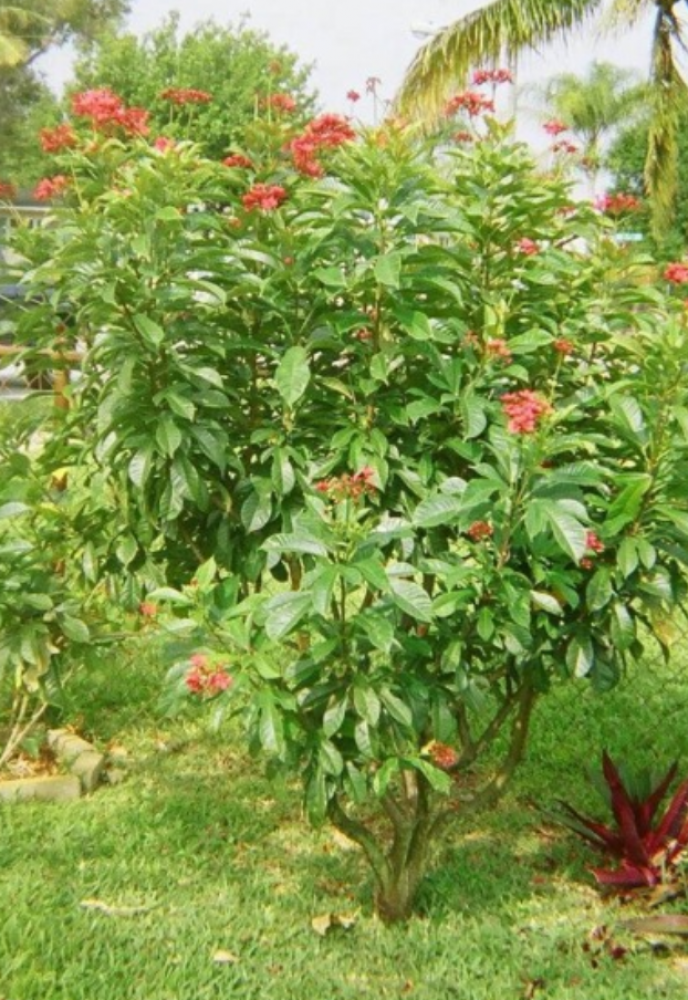
Jatropha tree. Scientific name: Jatropha integerrima. Evergreen tree, tolerates harsh environmental conditions, fast-growing, flowering, characterized by red flowers, blooms densely especially in summer, reaches a height of up to 3 meters, considered an ornamental tree, tolerates drought, high heat, and also temperatures below zero, and can withstand high salinity. Its native habitat is South America, and it grows in tropical, subtropical, and arid desert climates. It is preferred to grow in sunny locations. It is described as a "blessed tree" because it provides agricultural coverage for desert areas and can be utilized for its special and important benefits. This plant is also a wealth in the field of agricultural development and the production of environmentally friendly alternative energies. The African climate is the best tropical dry climate for producing this plant by exploiting the vast desert lands that are generally neglected. Oil and biodiesel fuel can be produced from this plant, which does not require much care but needs some protection from the effects of hot winds that cause it to dry out. It can be used to prevent soil erosion, stabilize sand dunes, and prevent desertification. Its oil is also used to produce biofuel. Soil type: most types of soil. Soil drainage: well-drained. Soil pH: alkaline. Irrigation: regularly, especially in late spring and summer. Propagation: by seeds and cuttings. Fertilization: slow-release fertilizers used 2 to 4 times a year. Suitable places for cultivation: at home, open public spaces, pedestrian areas, container planting, park planting, private gardens, fences, flower fences, small farm in a valley, urban areas. How to prune the Jatropha tree: Remove dry and dead branches: this is the first step during pruning, as it is important to remove all dried branches from the tree because they are no longer useful, along with removing dried fruits and seeds. Clearing the tree: this step aims to ventilate the tree and allow air to penetrate all parts of it to ensure optimal growth of branches and fruits. Important steps during pruning: when pruning fruit trees, ensure to carry out these steps carefully: start by removing horizontal branches and stems directly in front of you, then circle around the tree. Cut long horizontal main branches to allow the growth of other secondary branches and avoid creating giant trees that are difficult to harvest. Do the same with vertical branches that are significantly long. Remove diseased branches and those that grow on the tree without bearing fruit, as they only consume nutrients. When pruning, step back from the tree to get an overall view and then perform the necessary operations again.
