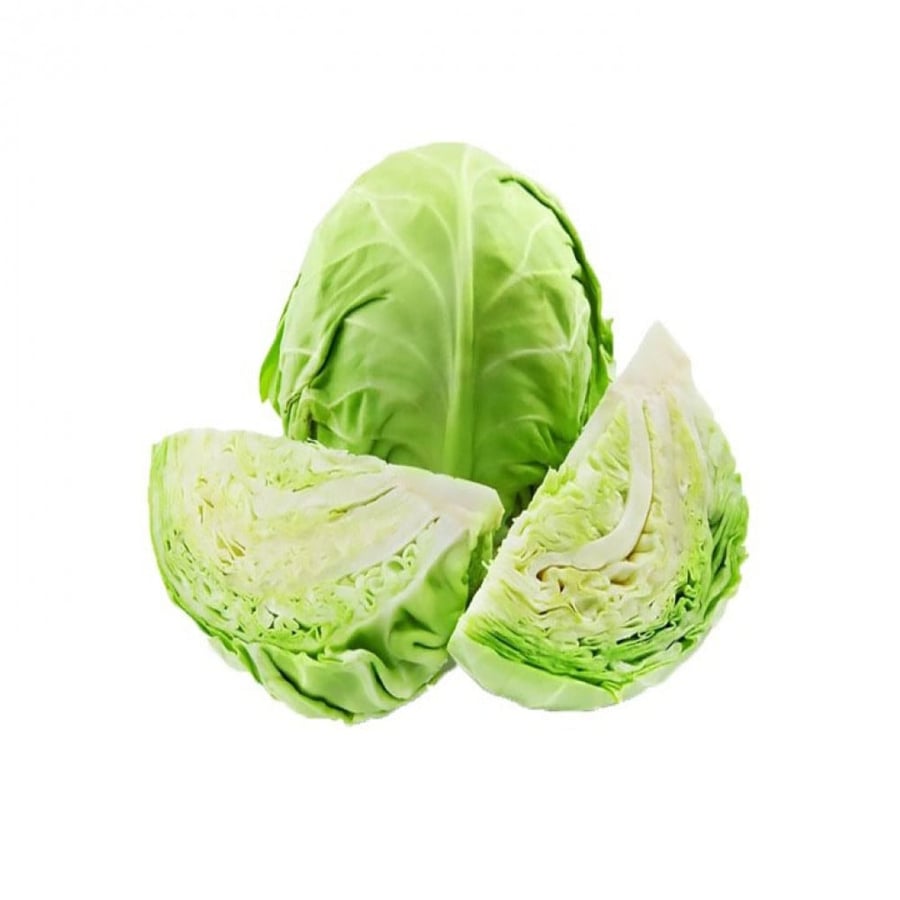
Cabbage plant seeds
5ر.س
Product description
Cabbage seeds (Brassica oleracea var. capitata) general description: Cabbage, scientifically known as Brassica oleracea var. capitata, is an herbaceous plant from the cruciferous family. Cabbage is cultivated to obtain its large, complete heads that are used in many dishes, such as salads, soups, and stews. Cabbage is characterized by its dense leaves that form a round head, and it comes in various colors such as green and purple. Reproduction: Cabbage reproduces by seeds. Cabbage seeds begin to germinate within 7-14 days after planting. Flowering time: Cabbage flowers from late spring to early summer, producing small yellow flowers on tall stems after a period of head growth. Usually, cabbage is harvested before flowering to ensure the quality of the head. Method of seed planting: Cabbage seeds are planted at a depth of 0.5-1 cm in well-drained, organic-rich soil. It is preferable to plant them in a sunny location where they receive direct sunlight for 6-8 hours daily. Planting can start indoors 6-8 weeks before the last frost and then transplant the seedlings to the garden once they are strong enough. Suitable climate and soil: Cabbage grows best in cold and moderate climates, preferring temperatures between 15-20 degrees Celsius. It grows in nutrient-rich, well-drained soil with a moderate pH level. Planting and cultivation timing: Cabbage seeds are preferably planted in late summer or early fall for a harvest in winter or early spring. Seeds can also be planted in spring for a late summer harvest. It is recommended to plant cabbage in rows spaced about 30-45 cm apart to ensure healthy growth. Benefits and uses: Cabbage is rich in vitamins such as vitamin C and K, and fiber that promotes digestive health. It also contains antioxidants and compounds with various health benefits, such as reducing the risk of some chronic diseases. Cabbage is used in preparing many dishes like salads, soups, and pickles. It can be eaten fresh, cooked, or pickled. Native origin: Cabbage originates from the Mediterranean region and Asia Minor. It is now cultivated worldwide, especially in temperate regions, where it is considered a staple vegetable in many cuisines due to its nutritional benefits and diverse uses.

Questions you might have