


Casia seeds Dideymobotria brown lantern
6ر.س
8ر.س-25%Product description
Scientific name: Senna didymobotrya
Acacia tree, Didymobotrya, brown chandelier, African senna.
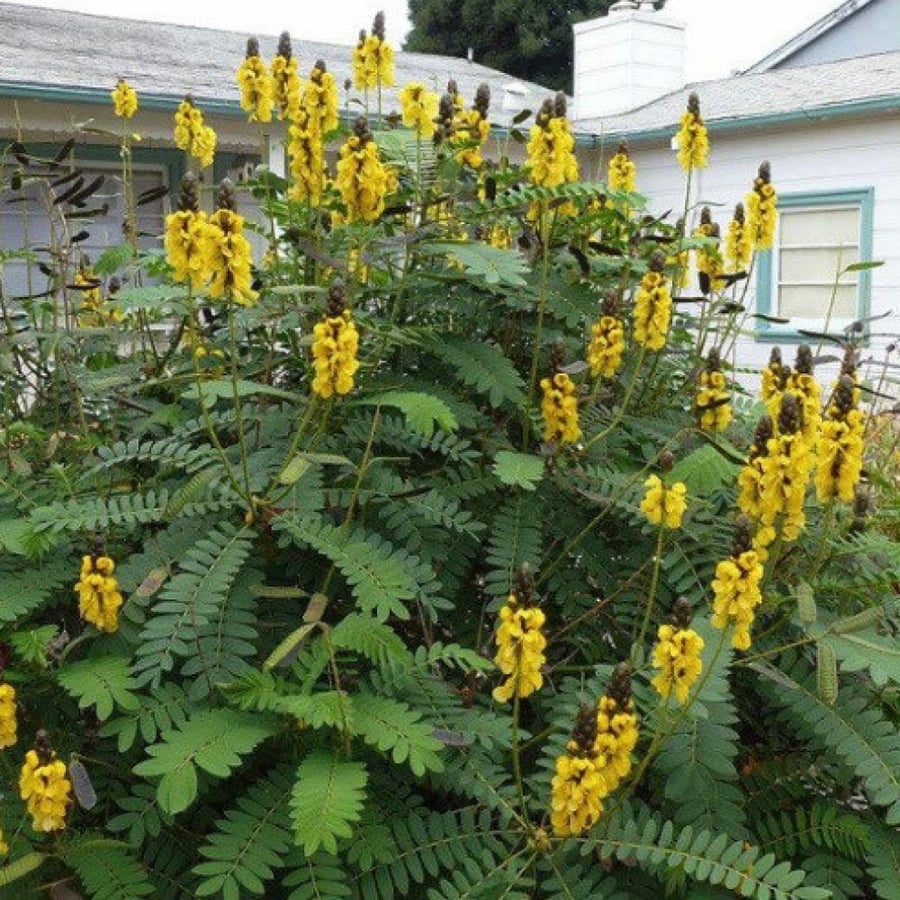
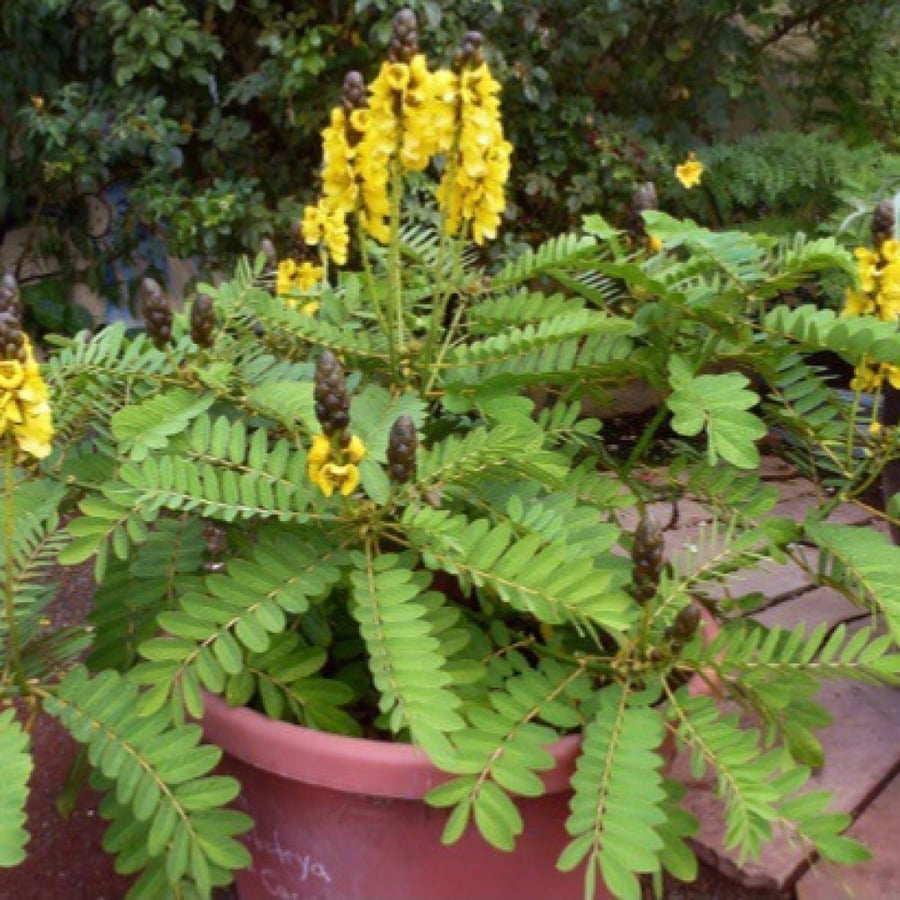
Casia didymobotrya (brown chandelier) or popcorn, or African senna, or popcorn casia, or cinnamon butter, or wild senna.
A beautiful, flowering, evergreen to semi-deciduous tree, characterized by its shiny golden yellow flowers that harmonize with the green color of its beautiful leaves, and also distinguished by its fragrant scent that resembles peanut butter or fried popcorn with butter, especially when rubbed by hand.
It blooms from late summer until spring, but attention should be paid that the roots of Casia didymobotrya (brown chandelier) are toxic and not edible.
It is called chandelier because its branches tend upward, resembling the shape of a chandelier.
Its flowers are fragrant, attracting bees, butterflies, and hummingbirds.
Used as an ornamental tree in public and private gardens.
Height:
• Reaches 2-5 meters.
Suitable climate:
• Tolerates high temperatures and drought, and also withstands low temperatures even below zero.
Light exposure:
• Likes direct sunlight.
Original habitat:
• Africa.
Watering:
• Every two days until the soil dries out.
Propagation:
• By seeds and cuttings.
Soil type:
• Moist and rich soil.
Drainage:
• Good or moderate drainage.
Pruning and trimming:
• Can be done after reaching the flowering stage.
Planting time:
• After the frost disappears, in March, or in February.
• The optimal temperature for planting is 18-22°C.
Flowering season:
• From spring to autumn, and it blooms year-round in warm countries.
Planting method:
• Seeds should be soaked in water for 24 hours, then placed in soil about 2 feet apart, maintaining warmth and moderate humidity.
• Note that many seeds require specific treatment or suitable conditions for germination, so if they do not sprout, do not discard them—look for the right conditions for germination.
Benefits:
• The brown chandelier is suitable as decoration for gardens, circles, balconies, and courtyards due to its beautiful and captivating appearance.
• It also attracts bees, which helps beekeepers collect more honey.

Questions you might have