


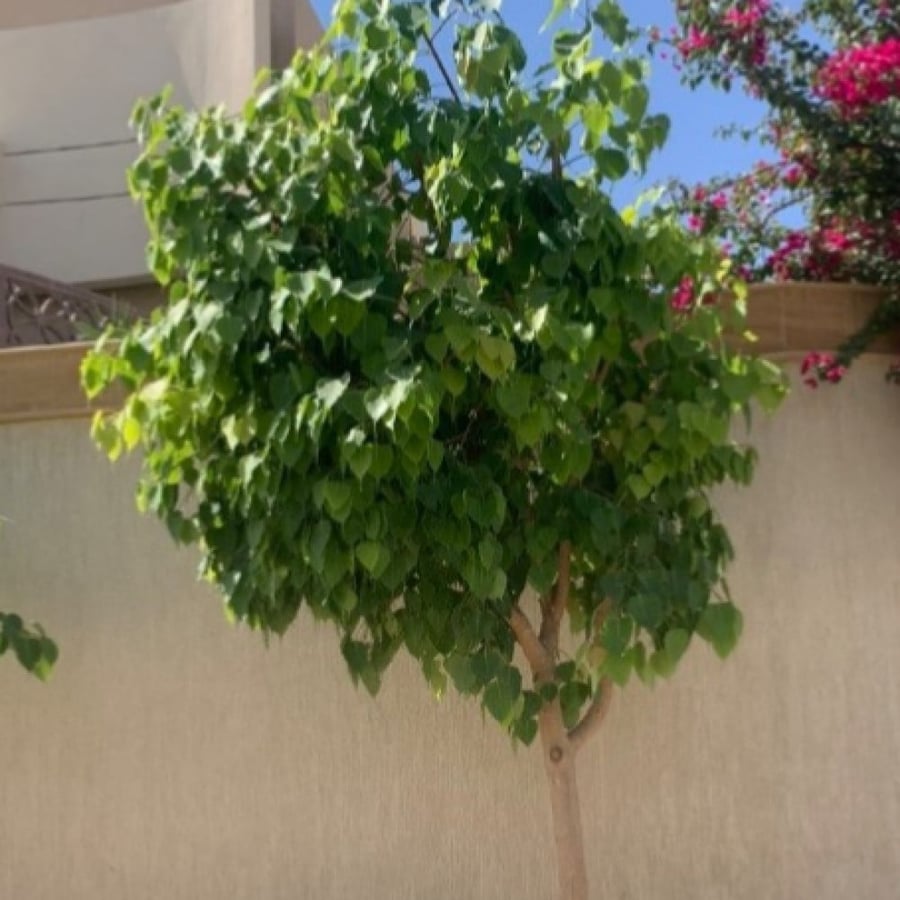
Bird of paradise tree seeds
35ر.س
Product description
Seeds of the Delonix regia tree (Delonix regia) general description: The Delonix regia tree, scientifically known as *Delonix regia*, also known as the "Royal Poinciana tree" or "Flame tree". It is one of the most beautiful tropical ornamental trees, famous for its large orange or red flowers that cover the entire tree during the flowering season. The tree usually reaches a height of 9 to 15 meters, characterized by its light green feathery leaves widely spread, providing dense shade. Reproduction: The Delonix regia tree reproduces through seeds found in long, hard pods. The seeds require special treatment to stimulate germination due to the tough shell surrounding them. Flowering time: The Delonix regia tree typically blooms from late spring to early summer. During this period, the tree becomes fully covered with bright flowers, making it a focal point of attraction. Seed planting method: To improve germination rates, the seed coat should be softened by soaking in warm water for 24 hours, or by mechanical methods such as scarification. The seeds are planted in well-draining soil at a depth of 1-2 cm. The seeds need a warm, sunny environment to germinate, usually taking 1 to 3 weeks to sprout. Suitable climate and soil: The Delonix regia tree prefers tropical and subtropical climates, where it grows best in warm, humid areas. It needs fertile, well-drained soil but can tolerate sandy and clay soils. The tree prefers full sun exposure for optimal growth and flowering. Planting and cultivation timing: The best time to plant Delonix regia seeds is in spring or early summer, when climatic conditions are suitable for seedling growth. Benefits and uses: The Delonix regia tree is mainly used as an ornamental plant in gardens, parks, and public streets due to its beautiful flowers and dense shade. It is also planted in afforestation projects and erosion control because of its strong root system. Native origin: The Delonix regia tree originates from Madagascar but has now spread throughout tropical and subtropical regions worldwide. The tree is considered a symbol of beauty in many cultures and is widely cultivated in Africa, Asia, and Latin America.

Questions you might have