

Coriopsis flower seeds
6ر.س
Product description
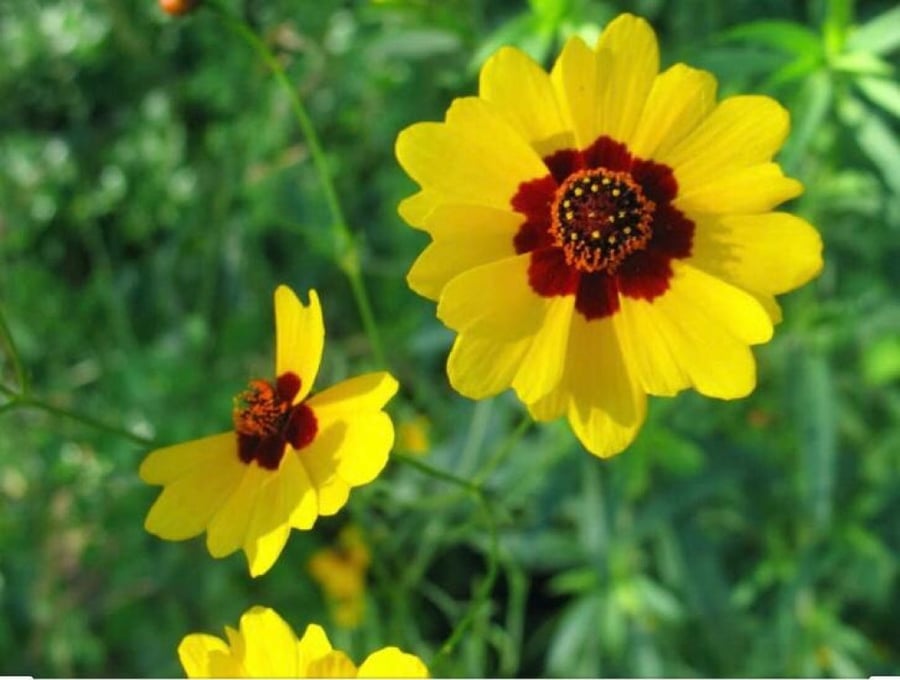
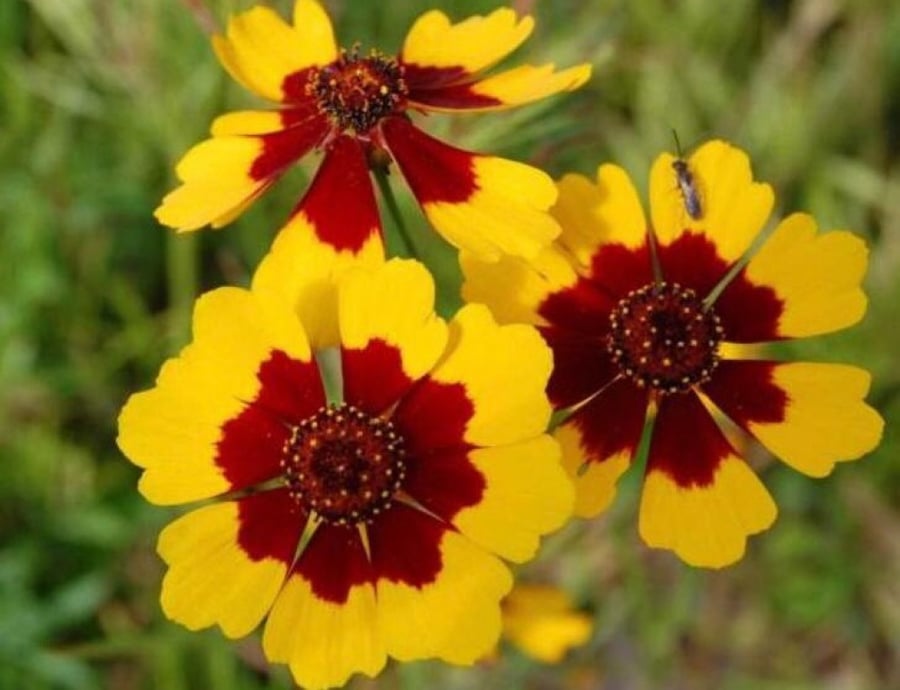
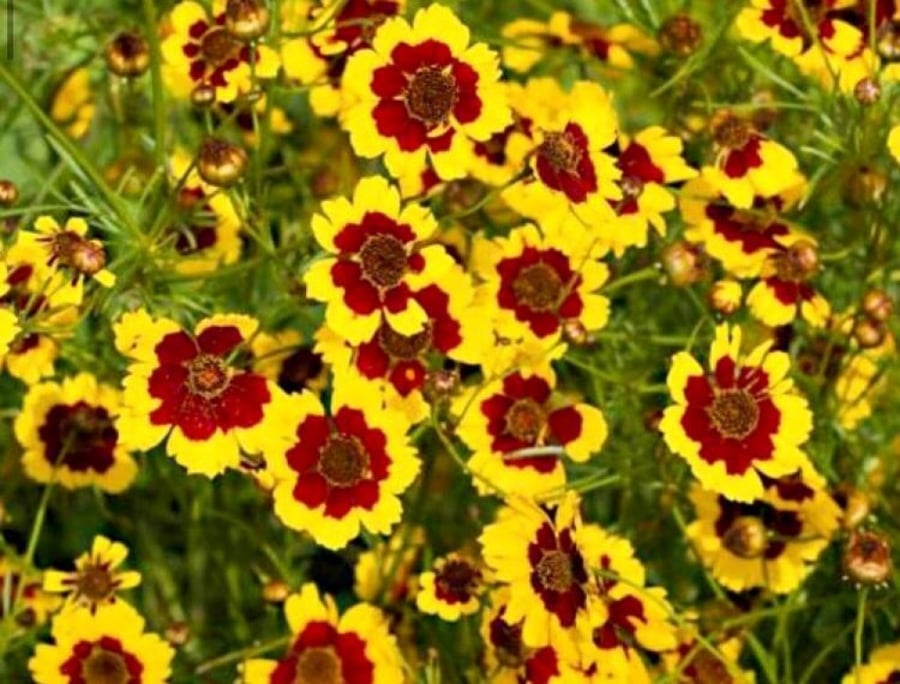
Coreopsis flowers, seed core. Scientific name: Coreopsis tinctoria. Perennial plant with a tall, smooth, soft, multi-branched upright stem, fast-growing, reaching a height of 1.2 meters. Short varieties are produced, with a height of 30 cm, suitable for cultivation in pots. It grows in early summer, mid-summer, late summer, early fall, and spring from April to November. It prefers humidity and heat in its growth, does not require much maintenance and care. Its leaves have small angles and are located close to the base of the stem, spear-shaped, serrated. Its flowers are wonderful and cheerful, with yellow rays surrounding the central disc that is reddish purple. The flower heads appear on long, branched stems. Its original habitat is northeast Mexico and the western United States. This plant has made a beloved brightness and heat-loving, drought-resistant growth, one of the most famous native wildflowers. It has many uses in food and health medicine.
Propagation: It propagates through seeds that are directly planted in the ground. Soil type: It grows well in sandy, rocky, clay, dry, shallow, chalky soils, and grows better in fertile soil. Blooming time: The flowers bloom over a long period from early spring to fall. Light exposure: Full sun and tolerates shade. Soil drainage: Well-drained. Soil pH level: Acid, neutral, basic (alkaline). Fertilization: Once a month. Watering: Well, regularly, do not let the soil dry out. Soil moisture: Moist. Pruning and trimming: Removing spent flowers (deadheading) helps promote more flowering later. If there are many dead flowers, you can cut them with scissors or garden shears. Reduce plants by a quarter to half to maintain a tidy habit, giving them a better chance to grow later in the season.
Suitable places for planting: Home gardens, windows, borders, along roadsides, farms, public parks, wildflower farms.
Method of planting Coreopsis:
1- Plant in sunny areas.
2- Place suitable soil in a suitable pot.
3- Evenly distribute the seeds in the soil without covering them.
4- If the soil is moist, press the seeds firmly into the moist soil.
5- Water generously to moisten the soil (depending on soil type).
6- Water until germination, usually within 21 days.
7- The seeds will start to grow, forming a small cluster of leaves, sending up a flowering stem with beautiful flowers.
Note: Seeds are planted indoors 6-8 weeks before the last frost date in spring. Plants are set outside after the last frost date. Seeds can also be sown outdoors after the last frost date.

Questions you might have