Seeds of the Parkinsonia aculeata tree
7ر.س
Product description
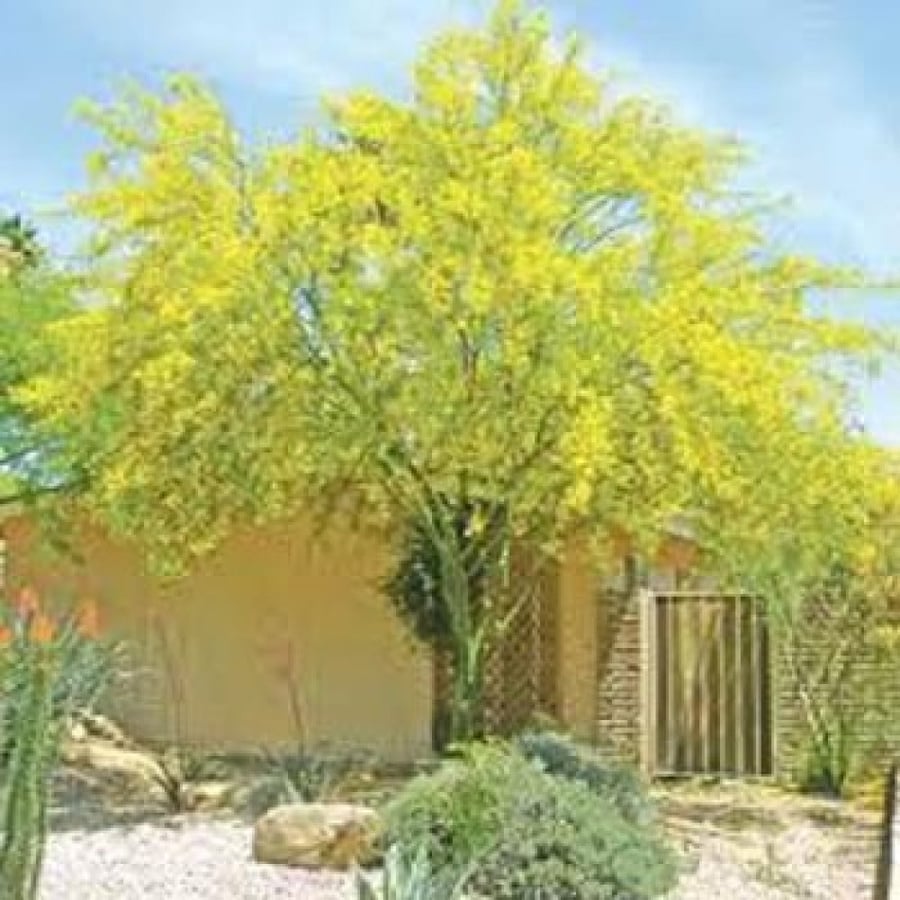
Parkinsonia tree or horse thorn
Scientific name: Parkinsonia aculeata
Family: Leguminosae (Fabaceae)
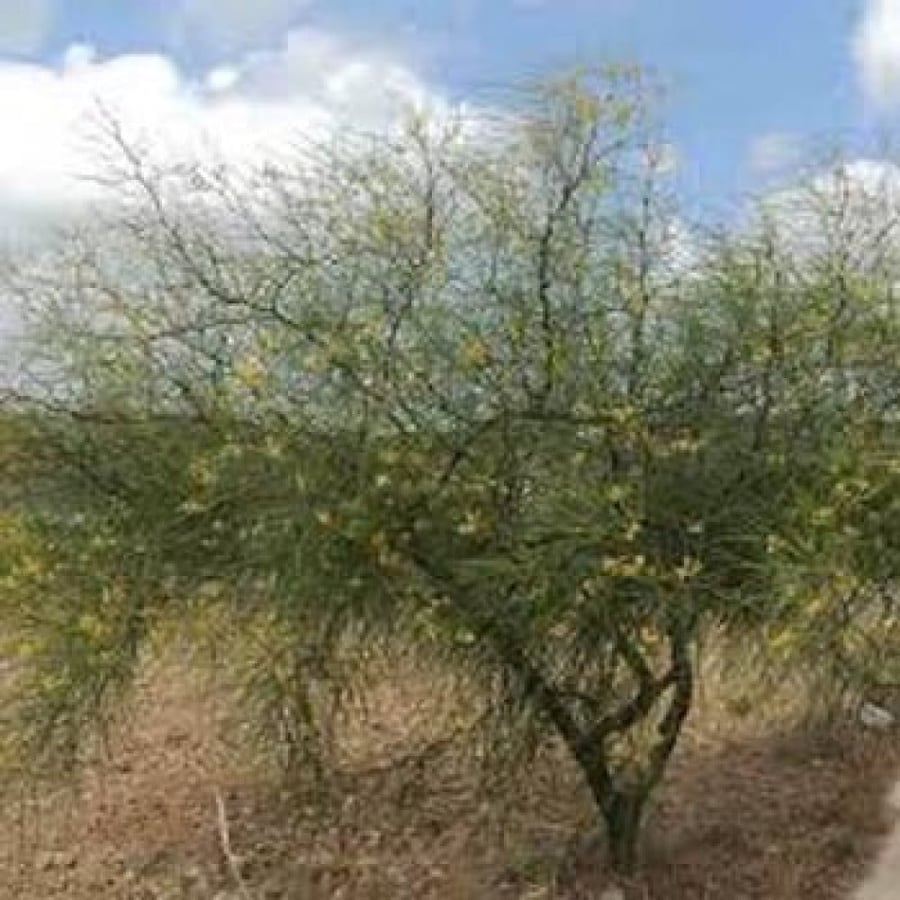
It is an evergreen spiny tree and is considered a perennial tree, reaching up to 10 meters in height. It is also called horse thorn and is used as a windbreak at the edges of gardens and farms.
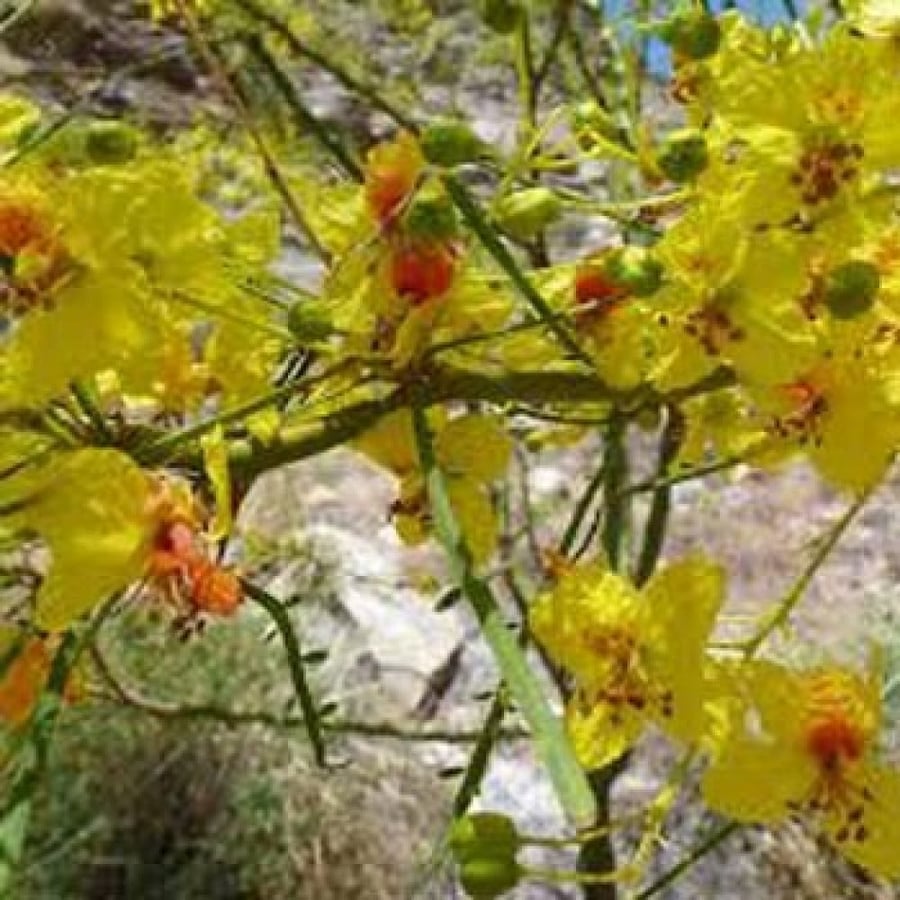
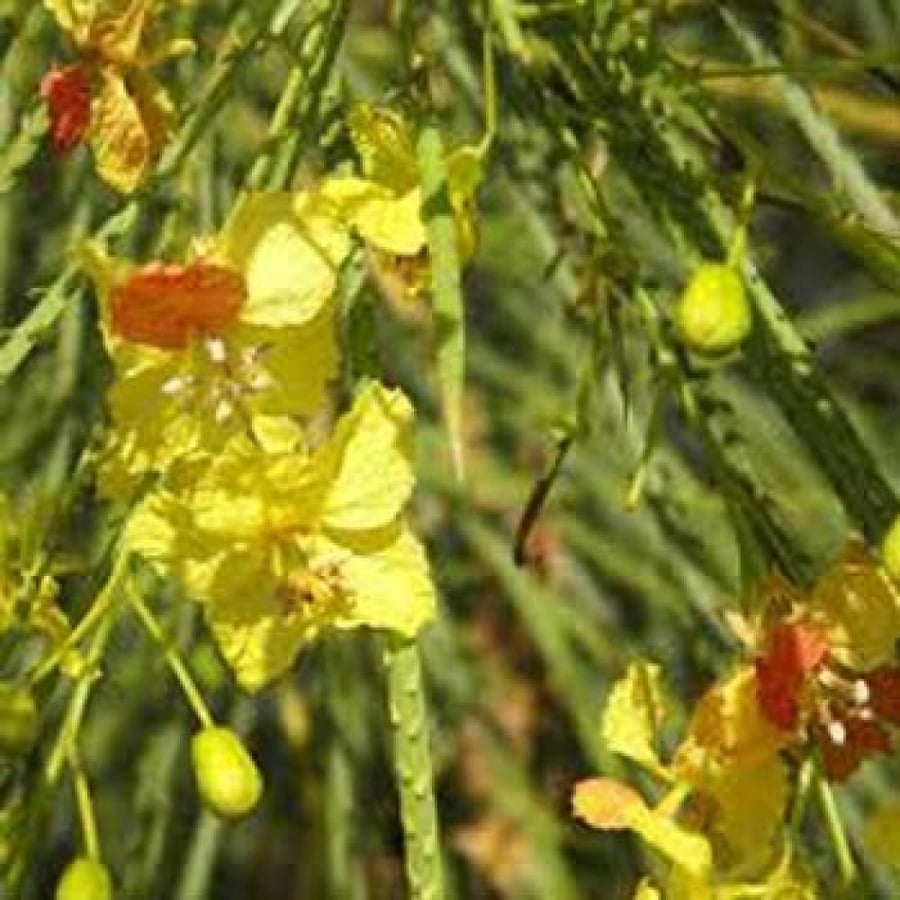
The stem is smooth and green, its flowers are yellow with a little red, forming clusters, and have a pleasant scent.
Its cultivation began in North America and Mexico, then it was transferred to the Gulf countries, and its cultivation succeeded because it tolerates hot and dry climates.
Its lifespan reaches up to 30 years. It is capable of stabilizing the soil and reducing erosion due to deep roots in the soil.
It tolerates soil salinity, resists heat and drought, and can withstand frost.
Its leaves are used as good fodder for animals.
Its native habitat is Panama, Mexico, and North America.
Propagation:
The Parkinsonia tree propagates through seeds or stem cuttings.
Planting times:
It is planted in spring or late autumn.
Soil type:
Suitable for all types of soil but prefers light soil.
Soil drainage:
Must be well-drained.
Soil pH:
Moderate.
Watering:
Water once a day or every two days depending on the plant’s needs in the early stages.
As the plant grows and roots deepen, watering is approximately once a week.
Light exposure:
It is a light-loving tree that needs 6 to 8 hours of sunlight daily.
Blooming time:
It blooms when temperatures rise in spring until autumn.
Pruning:
In shaping pruning, the tree can be allowed to grow on one main branch or several branches.
During growth, it is enough to ensure light reaches all branches and remove any diseased branches if present.
Suitable places for planting:
At the edges of roads for decoration, around farms and orchards, and used as a windbreak in home gardens.
Planting method:
Soak the seeds in hot water (without boiling) for an hour before planting, then plant directly in the soil or carefully scratch the seeds to help water penetrate the embryo.
Alternatively, propagate through cuttings: take a soft terminal cutting from the stem, dip it in rooting hormone, and plant it at the beginning of spring at an appropriate depth.
Water the soil immediately after planting to remove air bubbles from the soil.

Questions you might have