Fanvil H1-2 Wire Hotel IP Phone with 2-Wire PoE and 8 Programmable Keys
203.93ر.س
Product description
The Fanvil H1-2 Wire is an upgraded take on the Fanvil H1 that receives both network and power over a single pair of wires, so a hotel can reuse the cabling already in its rooms. It has 8 programmable keys and HD voice, and suits properties moving guest-room phones to IP without new cable runs.
====
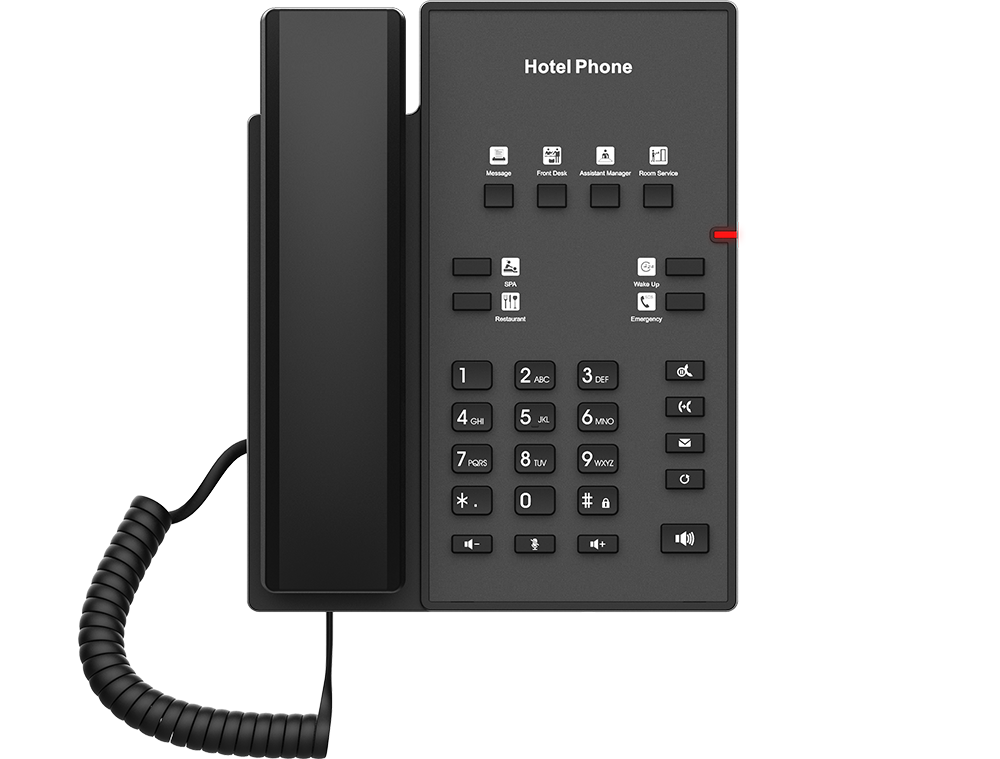
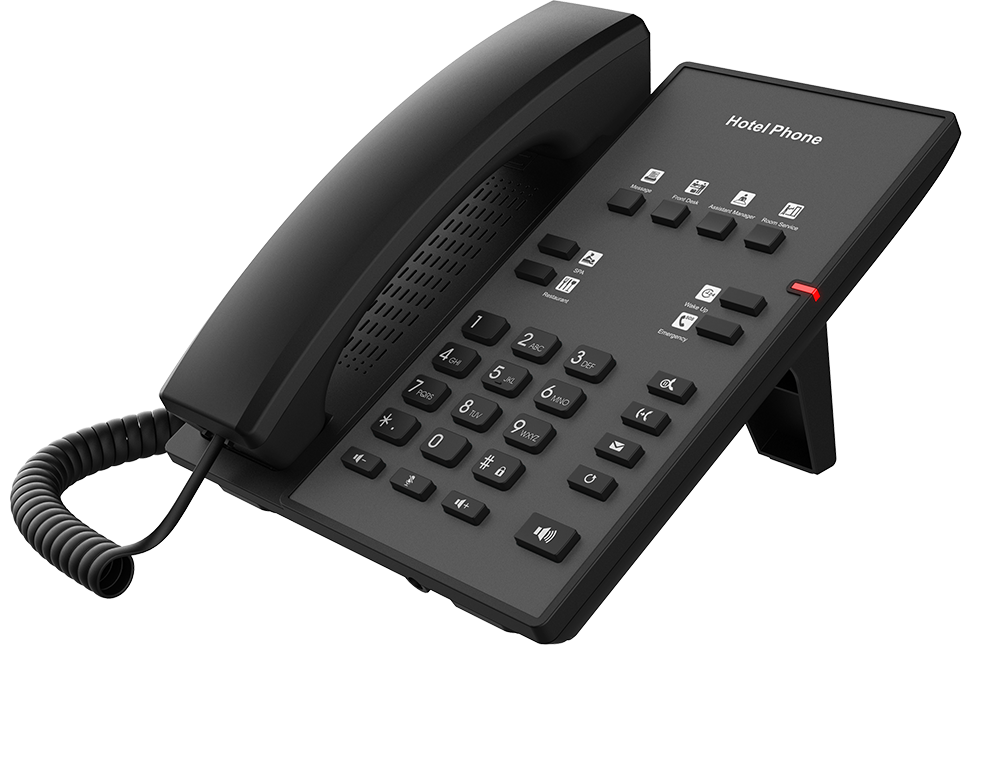
The Fanvil H1-2 Wire is aimed at a very specific problem. Your hotel wants a modern IP phone system, but the guest rooms were wired years ago with two-wire cabling, and pulling Ethernet to every room means drilling, closing floors and a large bill. Fanvil describes this model as an upgraded version of its H1 that gets both network and power over just two wires, so the existing cabling stays where it is. It adds 8 programmable keys and HD voice.
Fanvil H1-2 Wire key specifications
Fanvil publishes only a short list for this phone, but it covers what a hotel operator actually asks about:
- 8 programmable keys for service numbers.
- HD voice.
- 2-Wire PoE: power reaches the handset over the same pair.
- Network over a 2-wire connection instead of a standard Ethernet cable.
How 2-wire works in a hotel
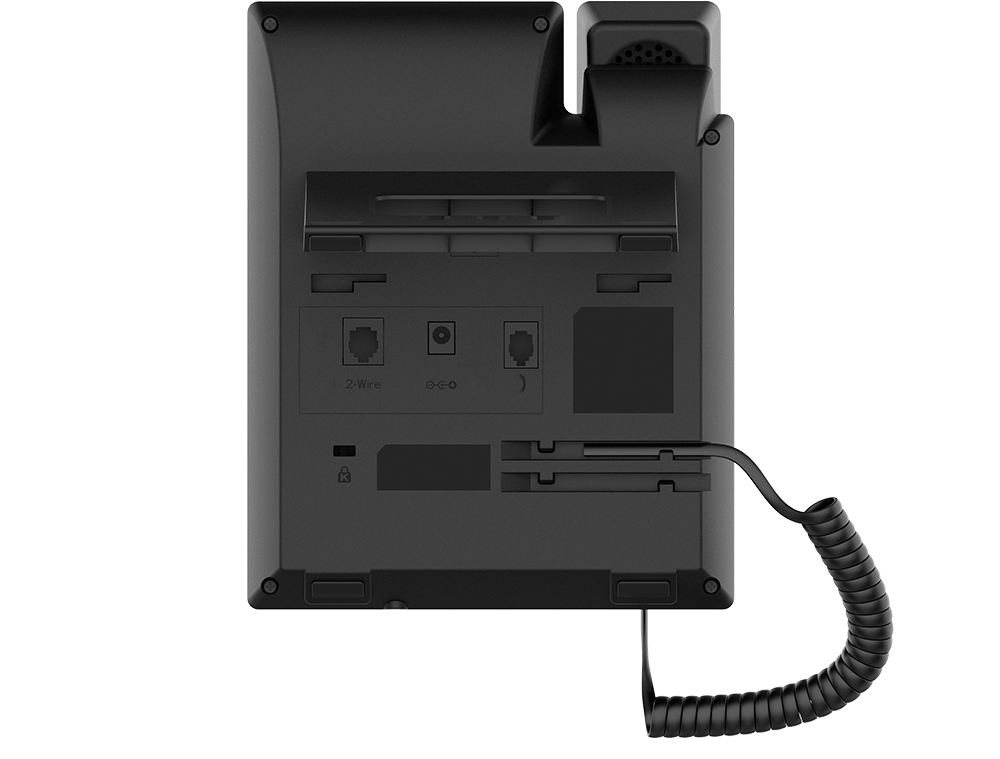
A standard IP phone needs an Ethernet run from the switch to the room. The H1-2 Wire runs on a single wire pair, so you reuse the existing cabling. In the same 2-Wire product family, Fanvil lists the PN8 and PN24 2-Wire PoE switches and the PN1 2-Wire converter. In practice you swap the phones and leave walls and ceilings untouched.
Service keys the hotel programs
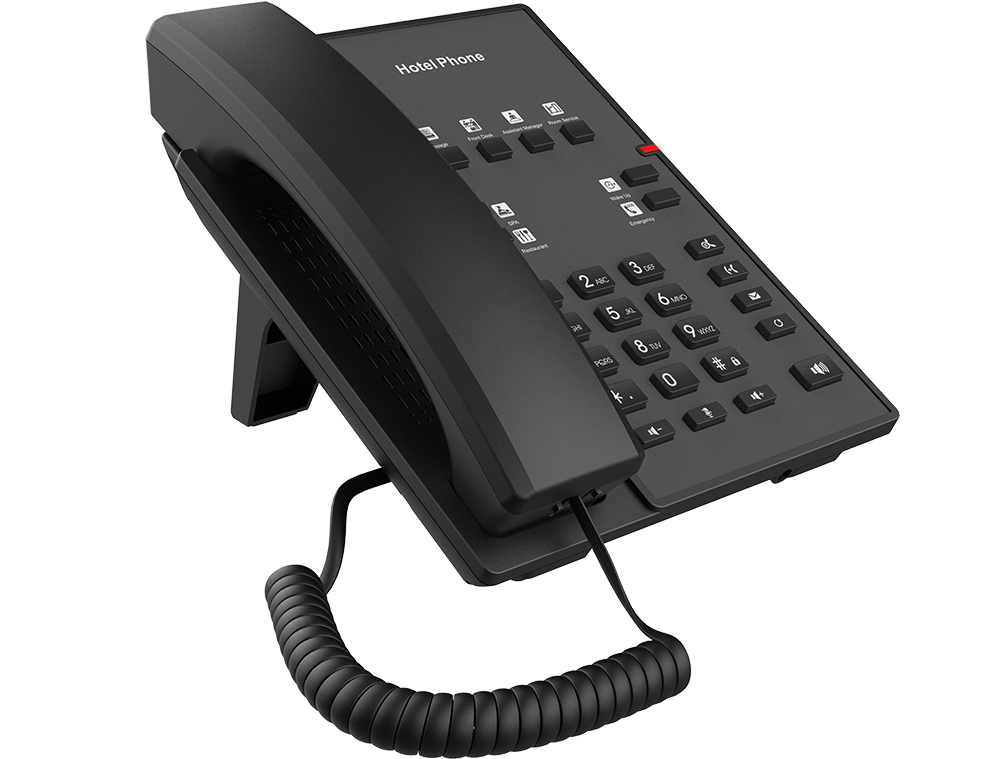
The eight keys are what make the phone easy for guests. Map them to reception, room service, the restaurant, housekeeping, maintenance, laundry, concierge or an internal emergency number. Guests never hunt through a directory card; one press reaches the right desk.
Where it fits in Saudi Arabia
- Older hotels in Makkah and Madinah that want IP telephony without shutting whole floors for works.
- Serviced apartments and residential buildings let by the unit, where two-wire runs already reach every flat.
- Hospitals, shopping centers and supermarkets, settings Fanvil lists for the H1 family.
- Phased upgrades: convert one floor first, then the rest as budget allows.
H1-2 Wire firmware
Fanvil posts firmware for this model on its official download server; the latest published build is 2.12.24.5.
H1-2 Wire, H1 or H2U-Black?
The H1 is the original: same eight keys, but it uses an Ethernet cable through a 10/100 Mbps port with built-in PoE, which suits new buildings already cabled for data. Pick the H1-2 Wire only when rooms are on two-wire cabling and you want to avoid rewiring. The H2U-Black is a compact phone on a normal Ethernet cable, with 2 SIP lines, 10 speed dial keys and one DSS key, powered by PoE or an adapter and mounted on a desk or wall, so it fits bathrooms and corridors better than bedrooms.
Frequently Asked Questions
Does the Fanvil H1-2 Wire need an Ethernet cable?
No. It runs on an existing two-wire line, which carries both data and power using 2-Wire PoE.
How is it different from the Fanvil H1?
Same 8 keys. The H1 uses Ethernet (10/100 Mbps with PoE); the H1-2 Wire uses two-wire cabling.
Specifications
- Model: H1-2 Wire (H1-2WIRE)
- Category: 2-Wire hotel IP phone (2-Wire Products, H Series Hotel)
- Based on: Upgraded version of the Fanvil H1
- Programmable keys: 8
- Audio: HD voice
- Network connection: Over a 2-wire connection using existing wiring
- Power: 2-Wire PoE over the same pair
- Latest published firmware: 2.12.24.5
- Official documents: Quick installation guide, user manual, datasheet (English, German, Spanish)
Features
- 2-Wire data and power: one pair of wires runs the phone, so existing room cabling stays in place and no walls are opened.
- 8 programmable keys: assign reception, room service, restaurant and maintenance so guests reach each desk with one press.
- 2-Wire PoE: power arrives over the same pair, so no power outlet is needed at the bedside.
- HD voice: clearer calls between guests and hotel departments.
- Upgraded Fanvil H1 design: the same 8-key service concept, moved from an Ethernet cable to a two-wire line.
