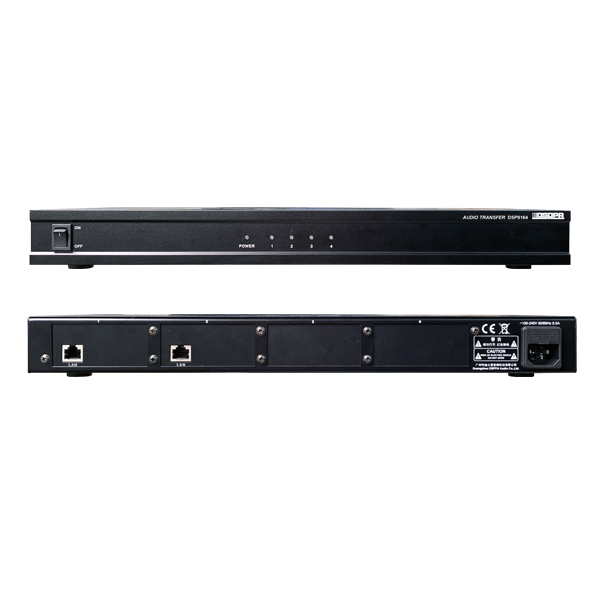

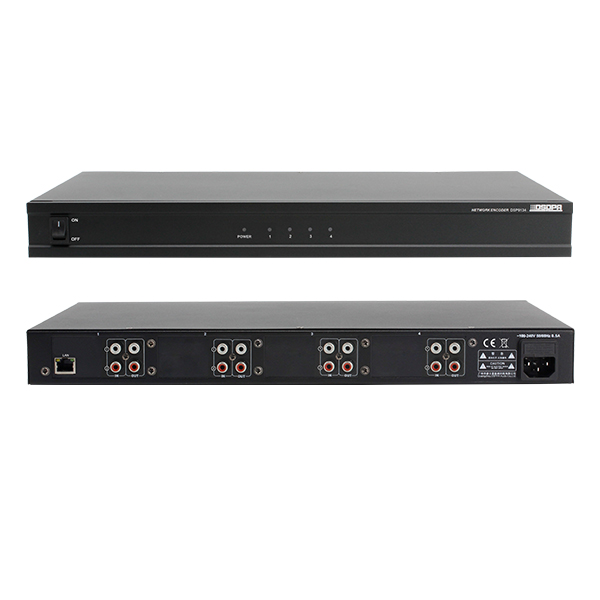
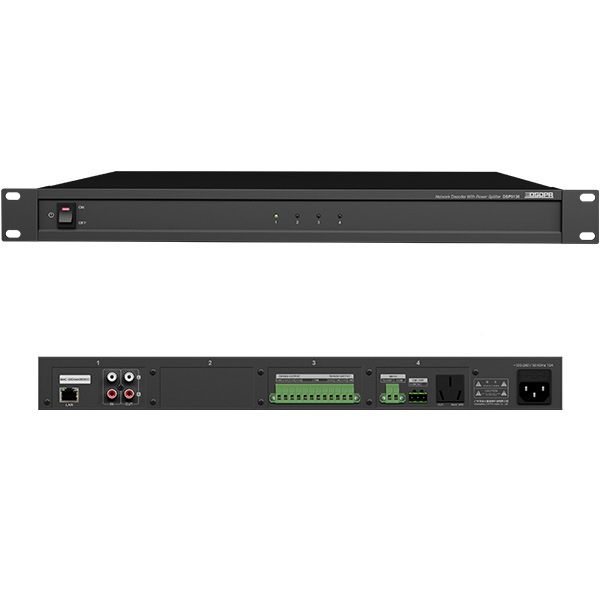
DSPPA DSP9131 1-Channel IP Network Audio Decoder with SIP
1377.63ر.س
Product description
The DSPPA DSP9131 is a single-channel IP network terminal that receives audio from a network PA system and feeds it to an amplifier at line level. It supports SIP and an energy-saving mode, and suits any building or zone with an amplifier you want on a DSPPA network system.
====
Picture a working amplifier in a school annex or a warehouse far from the main office. You want the central PA to reach it without a long analog cable run. The DSPPA DSP9131 does exactly that: a single-channel unit that takes audio off the network and passes it to that amplifier at line level, so the whole zone becomes part of a network PA system.
DSPPA DSP9131 specifications
DSPPA describes the DSP9131 as a multifunction front-end player built on TCP/IP, with separate IP control and audio input modules so decoding runs independently.
- 1 decoding channel.
- 1.0V AUX input and 1.0V line output.
- RJ45 10/100M network port.
- DHCP, UDP, ICMP and IGMP (multicast).
- MP3 and WAV playback.
Background, business and emergency audio
The DSP9131 carries background music, commercial announcements and emergency broadcasts, all controlled from the PA management software on the server. It also supports standard SIP, so it fits SIP-based paging and intercom setups.
Energy-saving mode
This feature is specific to the single-channel model. When no audio is coming in, the amplifier can drop to standby, and when a broadcast signal arrives the DSP9131 wakes it in advance so the start of the announcement is not lost. On a site where the PA runs only a few hours a day, that trims power use and heat in the equipment room.
Where it fits in Saudi Arabia
- A school annex building: the class bell and morning broadcast reach the second building over the network.
- A warehouse away from head office: supervisor pages and shift alerts.
- A hotel restaurant or café: its own background music while general pages still come through.
- A single mall area such as a car park or food court.
Installing with your amplifier and speakers
Connect the line output to the amplifier input and leave the speaker wiring as it is. A 1.0V AUX input lets you add a local source, such as a player or a mic through a mixer, at the same site.
DSP9131 or DSP9134?
Both share one official spec sheet, with the same 1.0V AUX input and the same 10/100M network port. The differences come down to two points. The DSP9131 has one channel and supports energy-saving mode; the DSP9134 has four channels and does not list that mode. Pick the DSP9131 for a single zone or remote building, and the DSP9134 when you need four channels in one unit.
Frequently Asked Questions
Does the DSP9131 have a built-in amplifier?
No. It has a 1.0V line output per the official specs, so it feeds an amplifier that drives the speakers.
Does the DSP9131 work with SIP systems?
Yes. DSPPA lists standard SIP support alongside control from the network PA management software.
What does the energy-saving mode do?
It lets the amplifier idle when no audio arrives and wakes it ahead of a broadcast, cutting power use on sites that do not broadcast all day.
Specifications
- Model: DSP9131
- Type: IP network terminal (network audio decoder)
- Channels: 1
- Audio input: AUX input 1.0V
- Audio output: Line out 1.0V
- Network interface: RJ45 (10/100M)
- Supported protocols: DHCP, UDP, ICMP, IGMP (Multicast)
- SIP: Standard SIP supported
- Audio formats: MP3, WAV
- Energy-saving mode: Yes, amplifier standby when no audio
Features
- 1 decoding channel with a 1.0V line output: connect it to an amplifier input and that zone joins the network PA system.
- Energy-saving mode (single-channel model only): the amplifier idles when no audio arrives and wakes ahead of a broadcast.
- Standard SIP plus IGMP multicast: receives streams and pages within network systems.
- 1.0V AUX input and MP3/WAV playback: add a local audio source at the same site.
