Thin pepper tree seeds
5ر.س
Product description
300 seeds 8 grams
Common name: Peruvian pepper
Thin-leaved variety
Scientific name: Schinus molle
Also known as: American pepper - false pepper
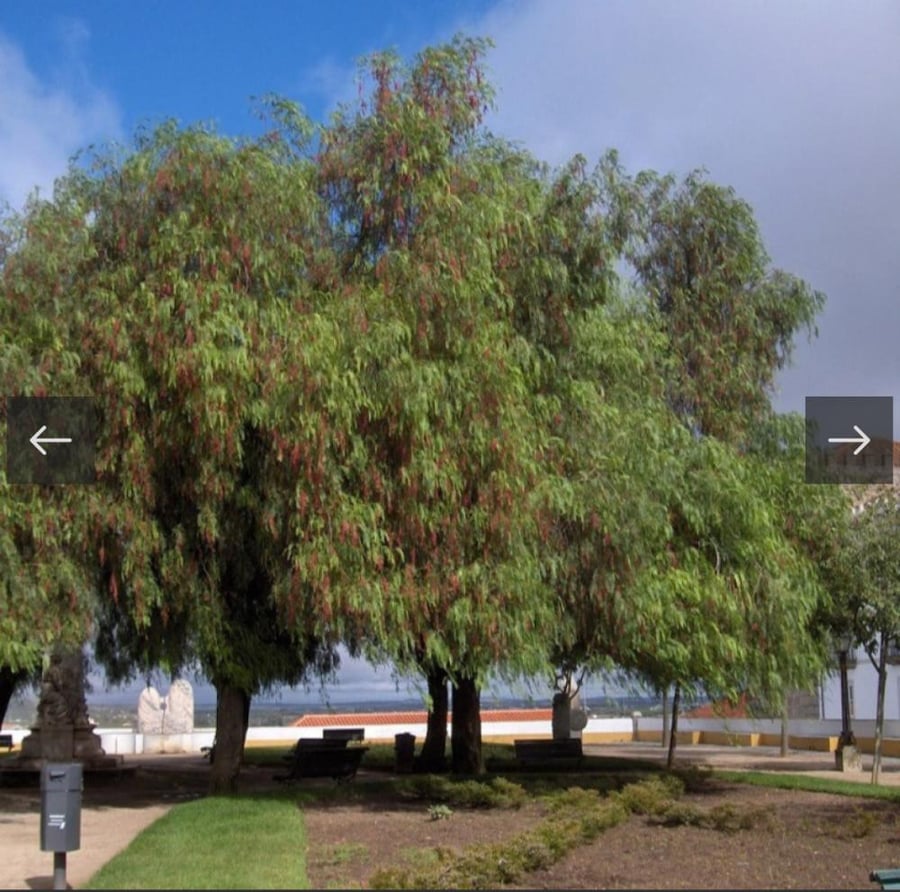
The Peruvian pepper tree is an evergreen tree, reaching up to 15 meters in height, with a diameter ranging from 25 to 35 cm. It has an open, umbrella-shaped crown, and the leaves are alternate, evergreen, pinnate, with entire, lanceolate to oval-shaped leaflets. It is used to produce pink pepper. Despite its name, pink pepper is a false pepper and is not related to black pepper. It has a strong aromatic scent when its leaves are rubbed; the scent is similar to fresh mango.
• Flower of the Peruvian pepper, thin-leaved variety: The small white flowers grow in clusters, reaching sizes between 5 cm and 15 cm, blooming from March to May.
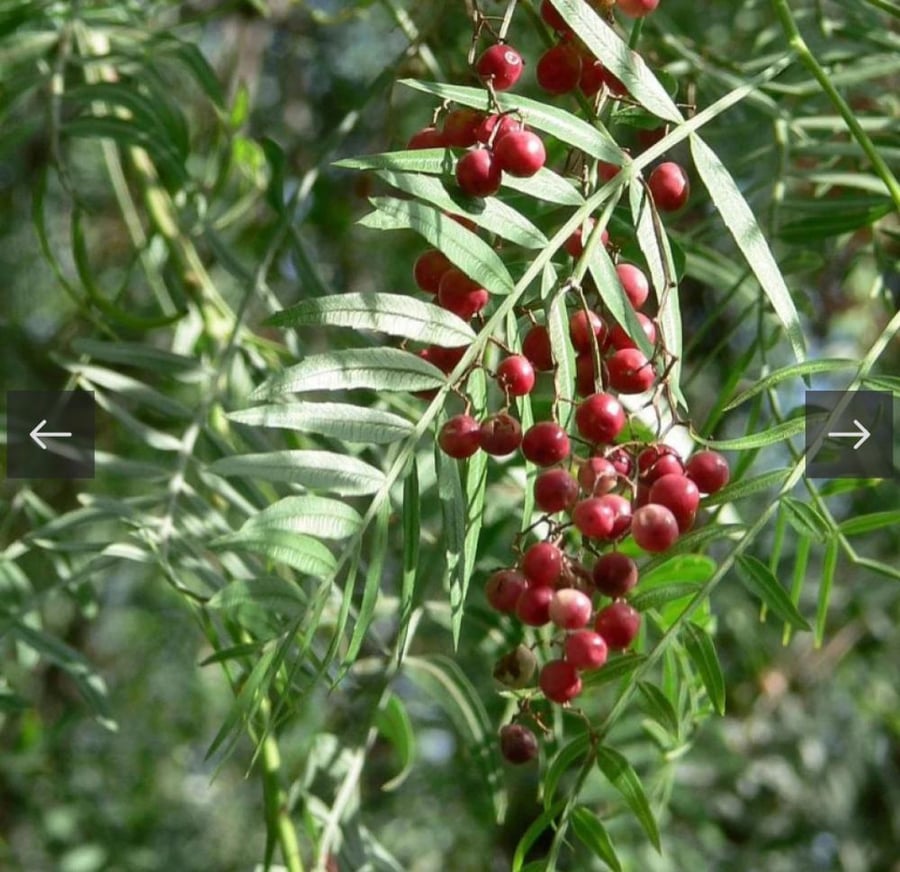
• Fruit and seeds of the Peruvian pepper, thin-leaved variety: The pink fruits resemble peppercorns, measuring between 0.5 cm and 0.7 cm, containing a seed inside.
• Growing season for the Peruvian pepper, thin-leaved variety: It is planted at the end of winter, and can also be cultivated year-round in protected agricultural environments, enclosed or plastic-covered areas where temperature can be controlled, and where plants receive adequate sunlight.
Suitable climate and soil for the Peruvian pepper, thin-leaved variety: The plant requires full sunlight with some humidity, regular watering, and has moderate salt tolerance. It thrives in most well-drained soils but is not highly tolerant. It can withstand temperatures down to 5°C but is sensitive to cold, dry winds. The plant is suitable for areas that do not experience frost.
• How to cultivate the Peruvian pepper, thin-leaved variety: It is propagated by seeds or cuttings.
• Benefits and uses: The pink seeds are used as a spice instead of black pepper, and also as an analgesic, anti-inflammatory, antibacterial, antiviral, diuretic, wound healer, and beneficial for respiratory infections. It is also an ornamental tree providing shade.

From Riyadh