
Eve - Dog Eve - Leontodon laciniatus
9.50ر.س
Product description
Eve – Dog Eve – Leontodon laciniatus
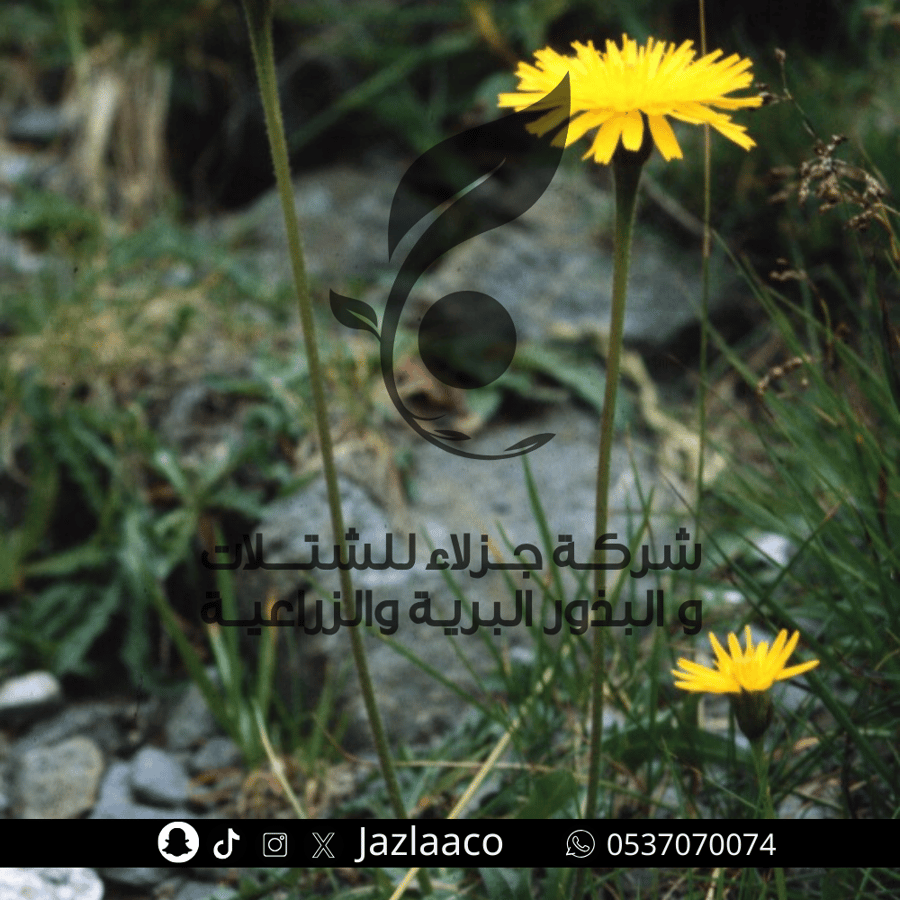
Eve's vine (Leontodon laciniatus) is an annual or short-lived herbaceous plant belonging to the Asteraceae family. It grows in dry, open areas and is characterized by its deeply lobed leaves and yellow inflorescences resembling dandelion flowers. It appears during the appropriate growing season after rainfall and moisture have been provided.
General Description
It grows as a small herbaceous plant, with most of its leaves concentrated near the base, while the flowering stems rise above them bearing the flower heads. It is adapted to open, dry environments and completes its growth cycle during the appropriate season before the drought intensifies.
Papers
Its leaves are basal and deeply lobed, with irregular lobes that give them a distinctive appearance. The leaves may be covered with fine hairs, and the degree of lobing and leaf size vary according to environmental conditions and the plant's growth stage.
flowers
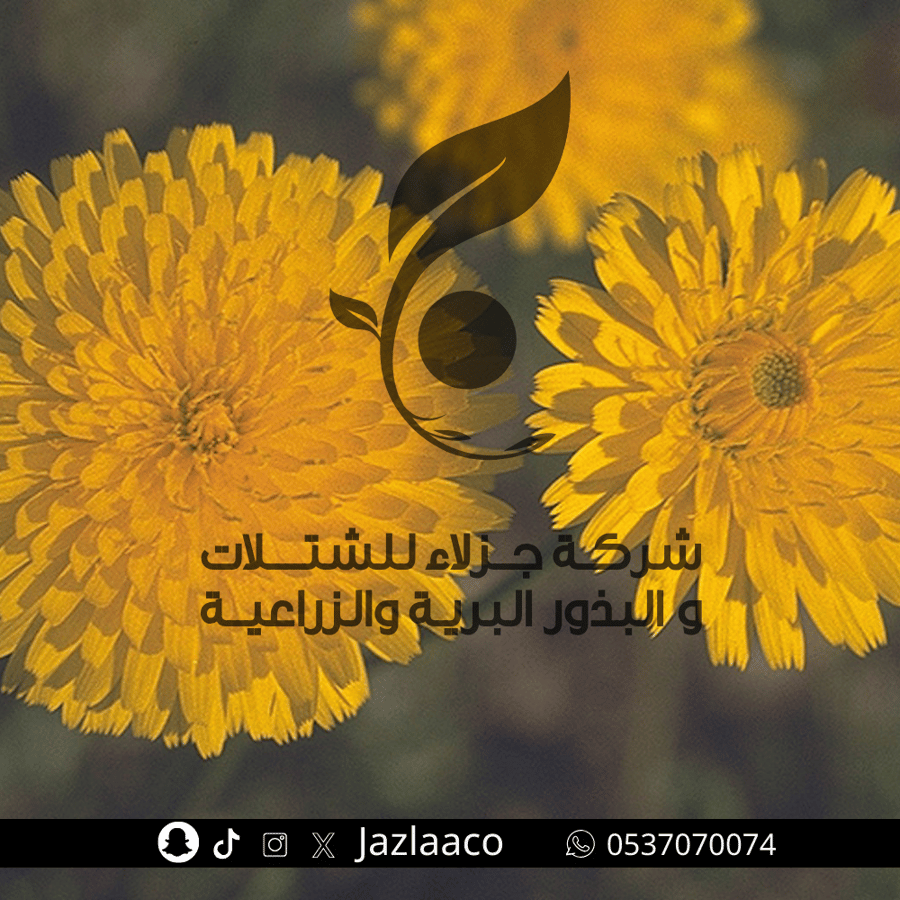
It produces yellow flower heads that appear singly at the ends of the flower stalks. The flower head consists of numerous yellow, tongue-shaped flowers, which are prominently displayed during the flowering season and attract a number of insects and pollinators.
Fruits and seeds
It produces small, dry, drupe-like fruits covered in white down that aids in wind dispersal. Once fully ripe, the seeds are released and spread around the plant, helping to regenerate its clumps in subsequent seasons.
Endurance and suitability
Eve is adapted to arid and semi-arid environments, benefiting from seasonal rainfall during its growing season. Its relatively short life cycle allows it to complete growth, flowering, and seed production during periods of available moisture.
Uses
It is a wild plant of ecological value, contributing to seasonal plant diversity, and its flowers provide a source of pollen and nectar for some insects. It can be utilized in projects to conserve native wild plants and rehabilitate vegetation cover in arid environments.
natural spread
Leontodon laciniatus is naturally distributed in parts of the Mediterranean basin, North Africa, and the Middle East, and may be found in some areas of the Arabian Peninsula. It grows in open fields, pastures, and arid and semi-arid regions.
Preservation status
Leontodon laciniatus is not currently known to be globally threatened, however, the determination of an official conservation category requires reference to the most recent published assessment of the IUCN Red List before a specific classification is included.
