

White acacia - Al-Haraz - Al-Ala - Acacia albida
9.50ر.س
Product description
The white acacia (Acacia albida) is a perennial tree belonging to the legume family (Fabaceae), currently known scientifically as Faidherbia albida. It is a tree adapted to arid and semi-arid environments. It is characterized by its drought tolerance and its unique system that allows it to retain its leaves during the dry season, while shedding them during the rainy season.
General Description
It grows as a large, branching tree, typically reaching a height of about 20–30 meters under suitable conditions. It is characterized by a strong trunk and a wide, rounded or flattened crown, and older trees may take on a distinctive appearance due to the spread of branches and the density of the crown.
Papers
Its leaves are finely pinnately compound, consisting of many small leaflets. The tree exhibits an unusual physiological phenomenon; the leaves are often present during the dry season and fall off during the rainy season, thus reducing competition for light and water with the plants and crops growing around it.
flowers
It produces small, pale to white or yellowish-green flowers, clustered in cylindrical or drooping spike-like inflorescences. The flowers are particularly attractive to insects, especially during periods of flowering suitable for the environment.
Fruits and seeds
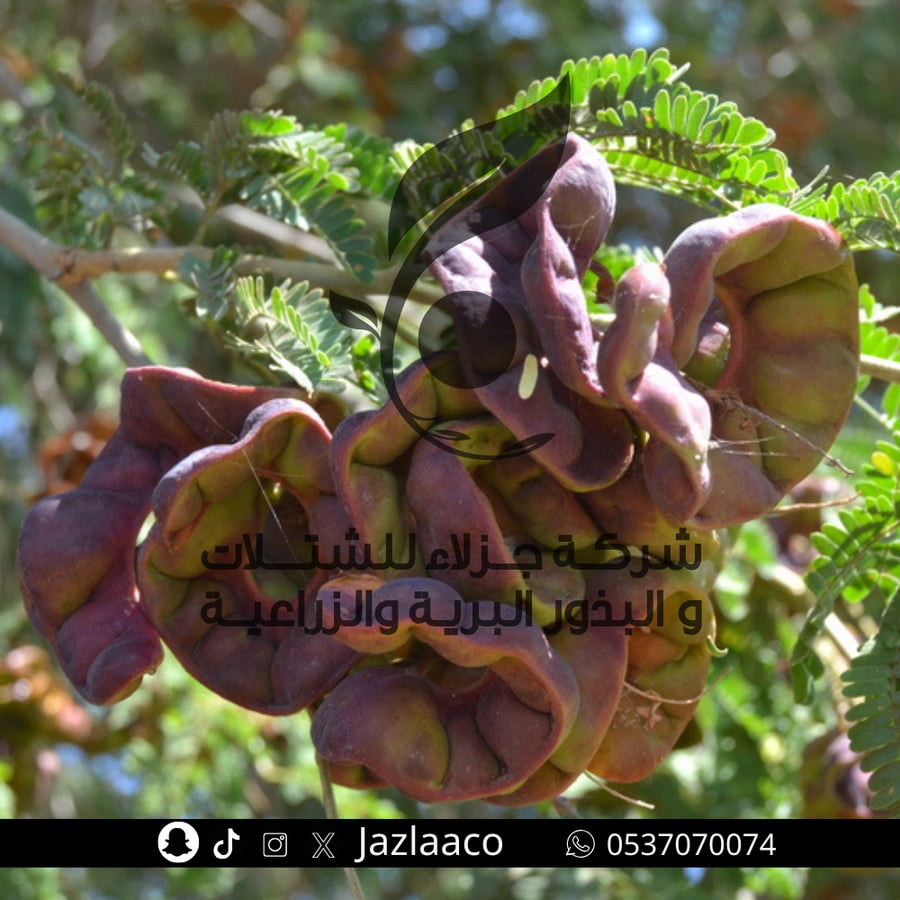
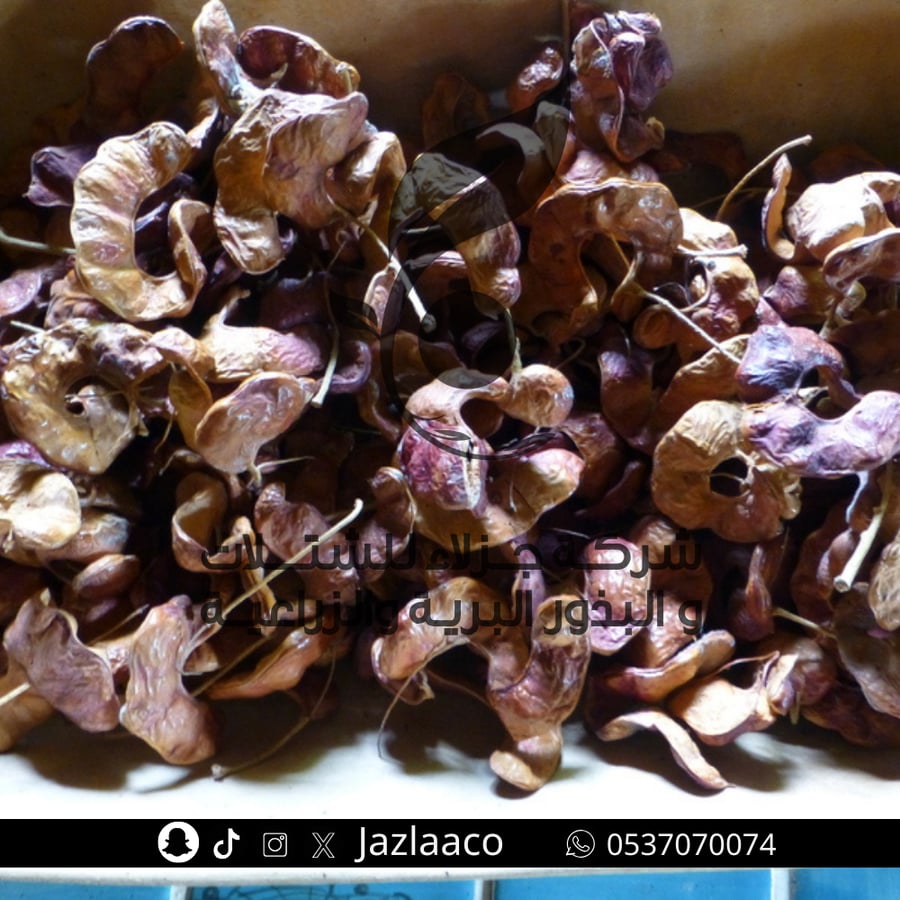
It produces large, twisted or spiral-shaped pods, ranging in color from brown to gray when mature, containing numerous seeds. The seeds are the primary means of propagation and can be used to propagate the tree when properly treated and planted.
Endurance and suitability
It is highly tolerant of drought and heat, and possesses deep roots that enable it to reach water sources in the deep layers of the soil. It withstands harsh conditions and relatively poor soils, making it an important tree in arid and semi-arid environments.
Uses
It is of great environmental and agricultural importance, as it belongs to the legume family and is capable of fixing atmospheric nitrogen through its symbiotic relationship with root nodule bacteria. Its leaves and fruits also provide animal feed, and it is used in some regions within agroforestry and rangeland systems, in addition to its use in soil stabilization and improving vegetation cover.
natural spread
Faidherbia albida is naturally distributed across large areas of Africa, and its range extends into parts of the Middle East and the Arabian Peninsula. It is particularly associated with arid and semi-arid regions, plains, valleys, and seasonal watercourses.
Preservation status
Faidherbia albida is not currently known to be globally threatened and has a wide distribution in Africa and parts of the Middle East. Its status varies locally depending on habitat degradation and pressure from logging, grazing, and land use.
