Hibiscus micranthus - Qumaysha
9.50ر.س
Product description
Hibiscus micranthus is a small shrub or perennial herbaceous plant of the Malvaceae family. It is a wild plant adapted to drought and heat, and is characterized by its small yellow to orange flowers and lobed leaves.
General Description
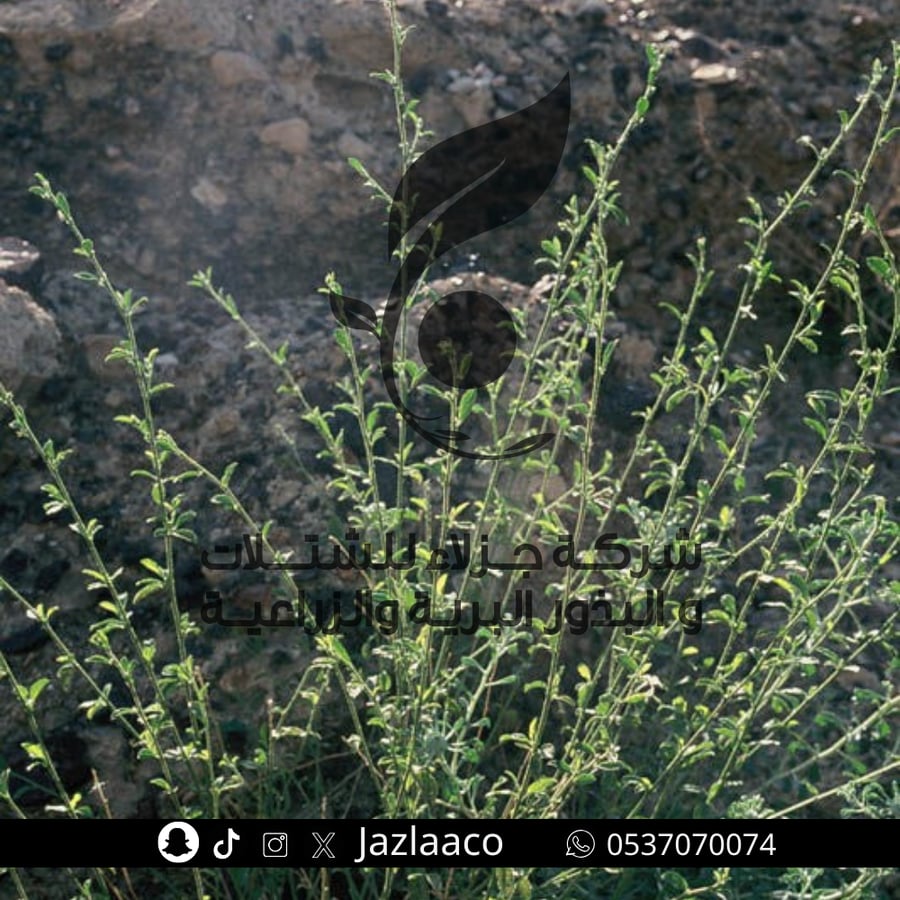
It grows as a small, highly branched shrub, and usually reaches a height of about 30–100 cm. The stems are upright or slightly elongated, and the plant can be relatively dense when conditions are suitable.
bark and stem
Older stems are relatively woody, with gray to gray-brown bark that may become rough with age. Younger branches are green to light brown and covered with fine hairs in some parts.
Papers
Its leaves are simple, alternate, green, often lobed, and may have a rough texture or be covered with light down. The shape of the leaves varies depending on the age of the branch and its position on the plant.
flowers
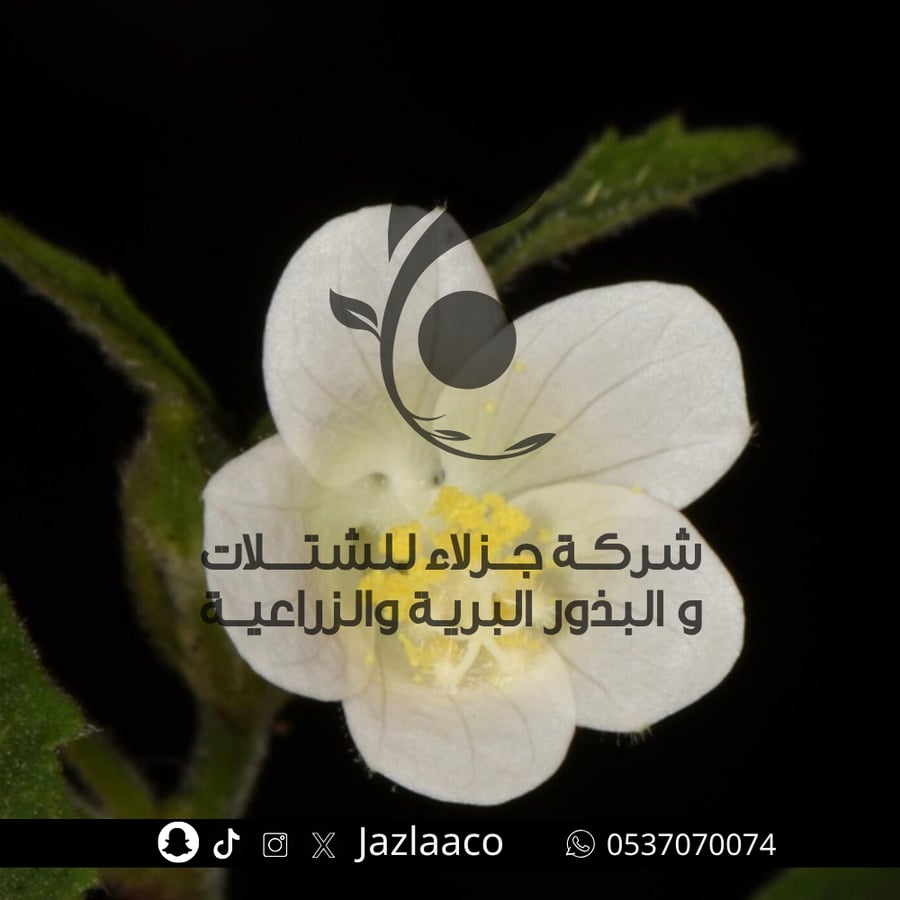
It produces relatively small flowers compared to cultivated hibiscus varieties, ranging in color from yellow to orange or reddish-orange, with a darker center. The flowers appear singly in the leaf axils and attract insects and pollinators.
Fruits and seeds
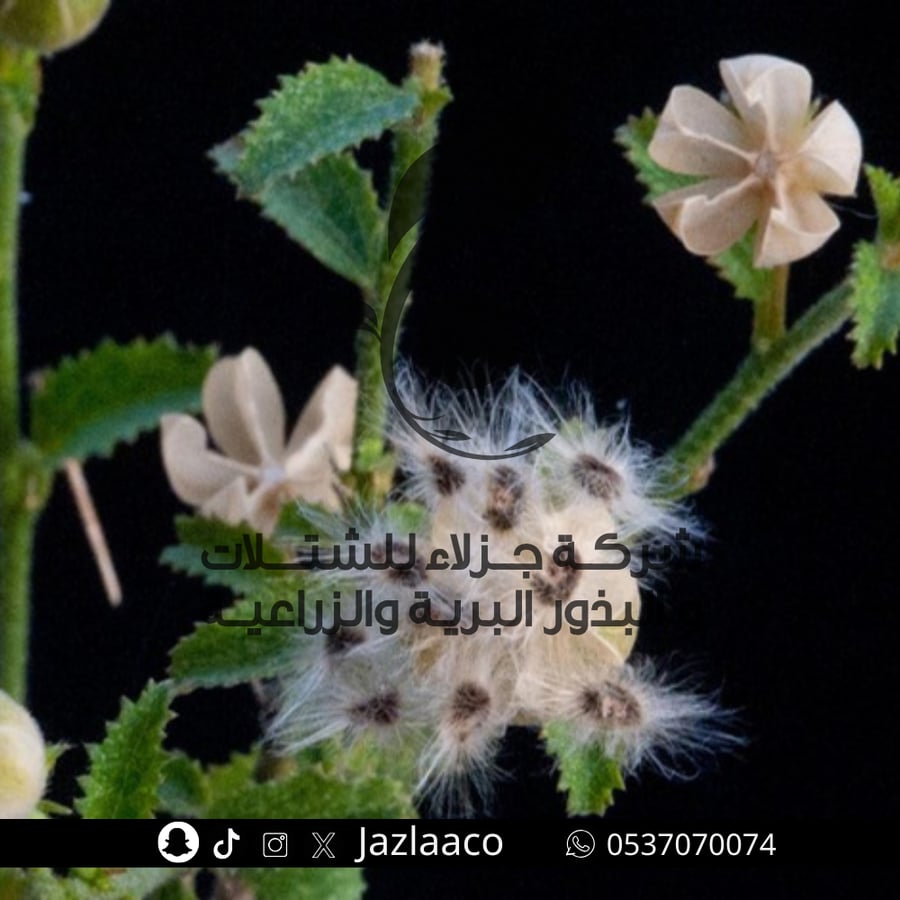
It produces small, dry capsules containing several seeds. The capsules turn brown when ripe and open to release the seeds.
Endurance and suitability
It tolerates drought and heat well, and grows in desert and semi-desert regions, as well as in sandy, gravelly, and rocky soils. It benefits from seasonal rainfall for growth and flowering.
Uses
It has ecological importance as a wild plant; its flowers provide food for insects and pollinators, and it contributes to the diversity of vegetation cover in arid environments. Species of the genus Hibiscus have been traditionally used for various purposes, but this species should not be used medicinally or culinarily without verifying its identity and safety.
natural spread
Hibiscus micranthus is widespread in parts of Africa, the Middle East and the Arabian Peninsula, and is associated with arid and semi-arid regions, plains, valleys and rocky areas.
Preservation status
Hibiscus micranthus is not known to be globally threatened with extinction, and it has good distribution in arid environments, although its populations can be affected locally by habitat degradation, grazing and human activities.
