
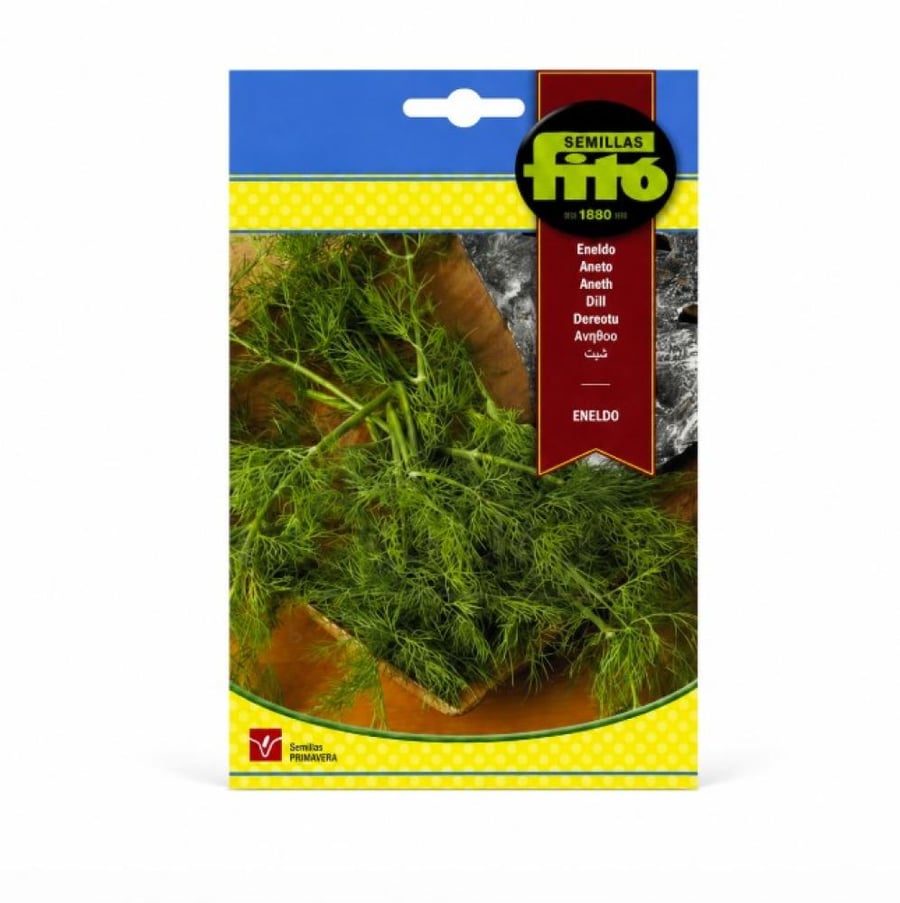
Dill seeds 2 grams
11.50ر.س
Product description
Dill Seeds 2 g
Dill Seeds 2 g from Semillas Fitó are leafy aromatic vegetable seeds designated for cultivating dill plant, which is known for its aromatic scent and distinctive flavor in domestic and culinary uses. Dill is characterized by thin green soft leaves, and relatively fast growth when good soil, appropriate lighting, and regular watering without flooding are available.
This product is suitable for cultivation in open fields, home gardens, and agricultural beds, and is also a good option for lovers of growing aromatic leafy plants at home. It can be included in a seasonal planting plan with other vegetable seeds or home and garden seeds to obtain fresh leaves for daily use.
Dill Seeds Specifications
Product name: Dill Seeds
English name: Dill Seeds
Crop: Dill
Product type: Aromatic leafy vegetable seeds
Net weight: 2 grams
Germination rate: 85%
Purity rate: 97%
Processing: Treated with Fludioxonil fungicide for seed protection
Country of origin: Italy
Packaging: Spain
Company: Semillas Fitó
Growing method: Direct planting in permanent soil without transplanting or seeding
Advantages of Dill Seeds 2 g
A fast-growing aromatic plant when suitable cultivation conditions are available.
Produces thin green leaves with a strong and distinctive aroma.
Suitable for fresh use in cooking, salads, and dressings.
Suitable for cultivation in open ground and agricultural beds.
An appropriate option for amateurs and lovers of growing aromatic plants at home.
Seeds from a company specialized in vegetable seed production.
Small package weighing 2 g suitable for experimentation and limited home cultivation.
Dill Seeds Planting Method
Dill seeds are planted directly in the permanent soil without transplanting or seeding, as the plant grows better when grown in its final location.
Before planting, it is preferable to prepare the soil by loosening it well, removing clumps and small stones, then leveling the surface for even seed distribution.
Seeds are planted at a depth of about 1 cm, then covered with a light layer of fine soil.
It is recommended to leave an approximate distance of 20 to 30 cm between plants, and about 40 cm between rows, to ensure good ventilation and sufficient space for growth.
For a better start, a well-draining light soil from the soil section and cultivation media can be used, or a suitable soil from the agricultural soil section, especially when planting in beds or home gardens.
Care for Dill After Germination
Dill needs a sunny, well-ventilated place, with regular watering without flooding. Moderate humidity helps germination and growth, while overwatering can weaken roots or cause soil problems.
Therefore, it is best to monitor soil moisture and water as needed based on temperature.
It is also advised to remove competing weeds around the plants regularly, especially at the beginning of growth, so that dill does not compete for water and nutrients.
When planting in beds, it is preferable to choose a suitable container with good drainage holes from the container and pot section to reduce water accumulation around the roots.
Dill Planting Dates
In temperate regions, dill planting is often suitable in spring.
In Saudi regions, planting can be done in spring, with early planting possible if temperatures are appropriate, and it is best to avoid very high temperatures at the beginning of growth as they may affect seedling strength and leaf quality.
Choosing a moderate planting time helps improve germination, strengthen the plant, and obtain higher quality leaves in terms of aroma and color.
Planting in a sunny location with good-draining soil yields better results.
Dill Harvesting Time
Dill is harvested when the plant reaches the appropriate size and the leaves are fully grown.
Leaves can be cut gradually as needed instead of removing the entire plant, which encourages new growth and longer production with proper care.
For better flavor, it is preferable to cut leaves when fresh and not leave the plant for a long time without harvesting if the goal is to use the green leaves.
Regular cutting also helps improve growth density and leaf renewal.
Who is this product suitable for?
The dill seed 2 g product is suitable for those who want to grow a fast-growing aromatic plant at home or in the garden, whether for daily culinary use or for experimenting with growing aromatic leafy plants.
It is also suitable for those looking for small-sized vegetable seeds within the seed section for seasonal or home planting.
Important Tips Before Planting
Plant dill seeds directly in their final location without transplanting.
Choose a light, well-draining soil that is relatively rich in nutrients.
Plant seeds at a depth of about 1 cm only.
Leave enough space between plants and rows to reduce crowding.
Place the plant in a sunny, well-ventilated area.
Maintain regular watering without flooding or letting the soil dry out for long periods.
Gradually cut leaves as needed to encourage new growth.
Seeds are treated and designated for planting only, not for food or fodder consumption.
Read the package data and follow the manufacturer's instructions before planting.
Frequently Asked Questions About Growing Dill
Can dill be grown at home?
Yes, dill can be grown at home in suitable beds or containers, provided there is good lighting, well-draining soil, and regular watering without excess water accumulation.
Does dill need transplanting?
Transplanting dill is generally not preferred; it is better to plant seeds directly in the permanent soil because the plant grows better without being moved.
When is dill harvested?
Dill is harvested when the leaves are fully grown and the plant reaches a suitable size for use. Leaves can be cut gradually as needed to encourage new growth.
Related Sections
You can browse more varieties through the vegetable seeds section, or visit the home and garden seeds section to choose suitable varieties for home planting.
You can also prepare the planting environment through the soil and cultivation media section and the containers and pots section.

From Jeddah