
Fruit seedlings Granadilla
60ر.س
Out of Stock
Product description
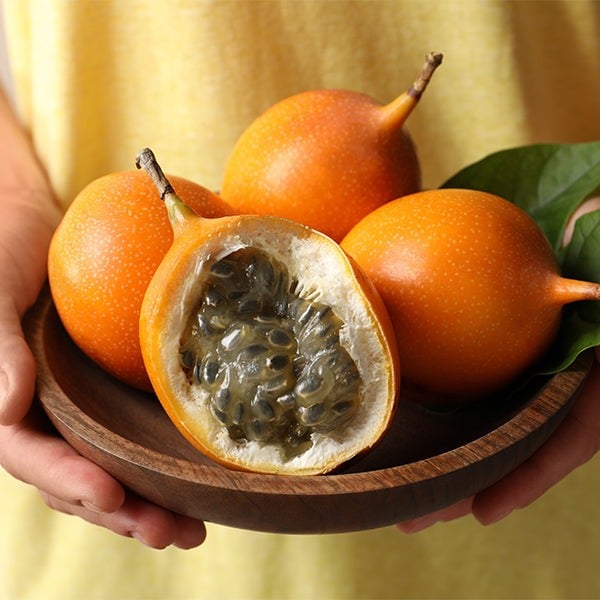
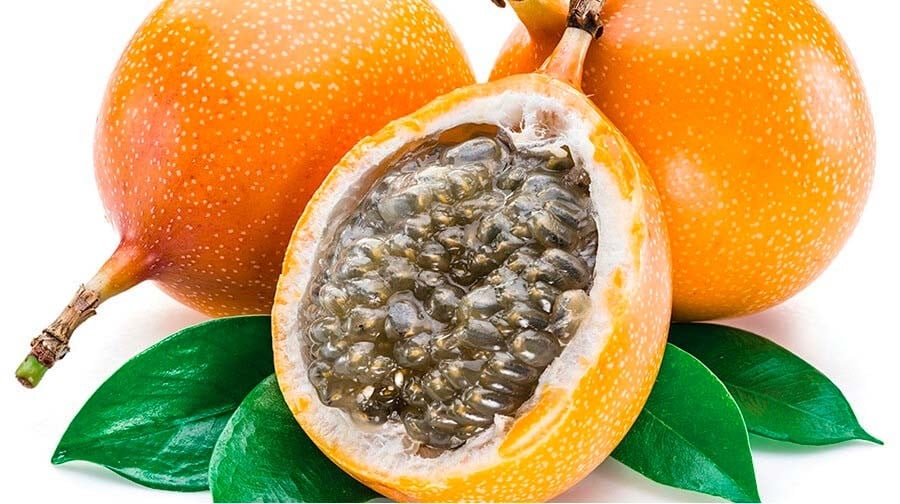
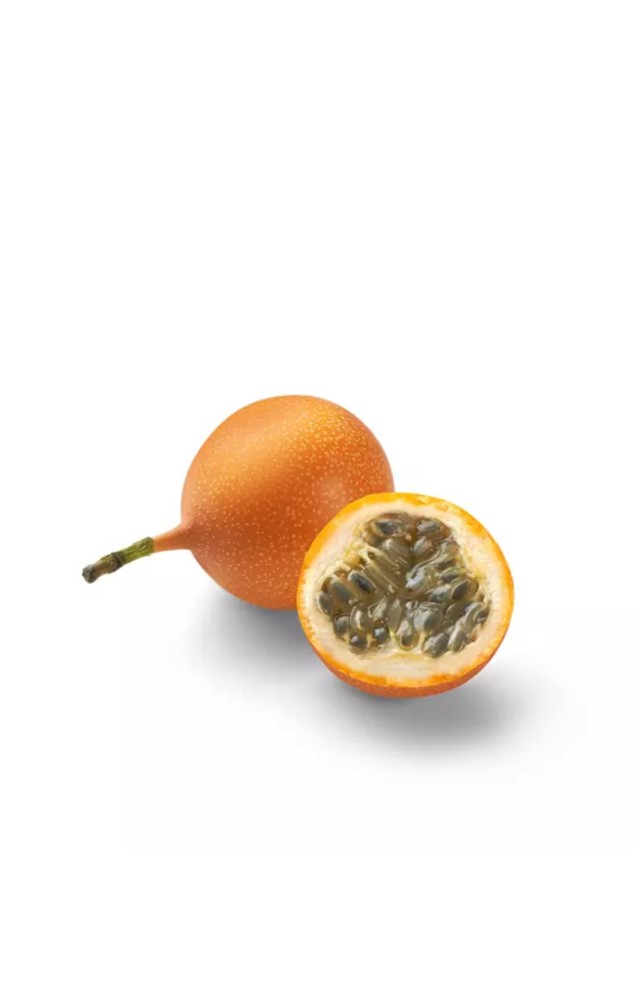
The approximate height of the seedling is 20-30 cm. Grandilla is a name given to some types of tropical fruits that belong to the Passifloraceae family, and it is somewhat similar in shape to maracuja or passionflower. It is sometimes referred to as "tropical granadilla" or "maraquia" in some areas. General characteristics of the granadilla fruit: 1. Scientific name: • Passiflora ligularis or Passiflora maliformis depending on the type. 2. Botanical characteristics: • The granadilla is a climbing tree or plant that requires support for growth. • The plants can reach high heights and need a warm, humid environment. • It has distinctive leaves and beautiful flowers belonging to the family of virgins (the flowers are usually large with white or brown petals with touches of bright colors). 3. Fruits: • The fruit is oval-shaped, covered with a somewhat thick shell. • When ripe, the shell turns yellow, orange, or red depending on the type. • The fruit contains a sweet and sour juicy pulp with a distinctive flavor resembling a mixture of mango, orange, and other tropical fruits. • It contains many small seeds inside the pulp, enhancing its tropical experience when eaten. 4. Taste: • The pulp features a sweet flavor with a delicious aromatic taste. • The pulp is refreshing and juicy. Native origin: • Granilla originated in the tropical regions of Latin America such as Peru, Colombia, and Ecuador, but it is now also cultivated in other tropical areas around the world. Environmental requirements: 1. Soil: • Granilla prefers well-drained loamy soil rich in organic matter. • It can grow in acidic or neutral soil. 2. Lighting: • It needs direct sunlight but can tolerate some shade in very hot areas. • It is best for the plant to receive 6-8 hours of sunlight daily. 3. Watering: • It requires regular watering, and the soil should remain moist but not waterlogged. • Overwatering should be avoided as it may lead to root rot. 4. Climate: • It prefers warm and humid climates, with temperatures ranging between 18-30°C. • It does not tolerate frost, so it should be planted in frost-free areas. Uses of granilla: 1. Fresh consumption: • Granilla is eaten fresh, where the fruit is cut and the pulp extracted for direct consumption. 2. Juice and beverages: • Fresh pulp can be used to make juice and is used in many tropical drinks. 3. Sweetening and jam: • Granilla can be turned into jam or sweetened preserves due to its sweet taste. Plant care: 1. Pruning: • The plant should be pruned regularly to remove dead or damaged branches and stimulate new growth. 2. Fertilization: • Organic fertilizers or balanced fertilizers are preferred to ensure good growth and production. 3. Pest protection: • The plant should be monitored for pests such as aphids or scale insects. Productivity: • Granilla usually begins fruiting after 1-2 years of planting if conditions are suitable. • The fruits can be harvested during the tropical season at any time of the year, with production concentrated in warmer seasons. Additional notes: • Granilla is considered one of the attractive and rare tropical fruits that offer a unique taste. • It can be cultivated in home gardens or even in greenhouses in areas where natural conditions are unsuitable.

From Almandaq