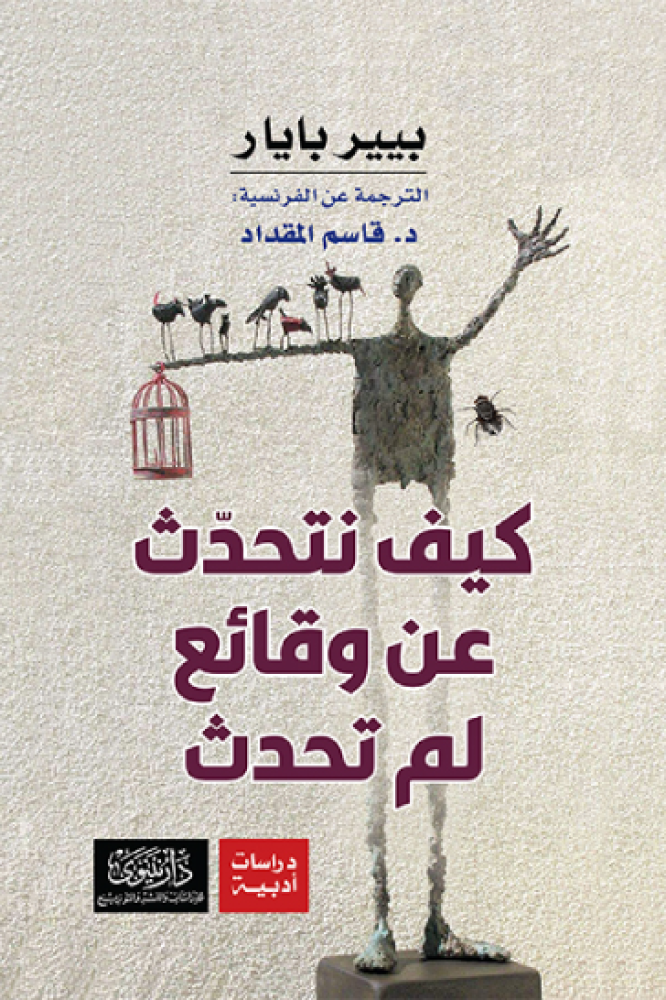
How do we talk about events that did not happen
30ر.س
Product description
How we talk about facts that did not happen to the professor of French literature at the University of Paris Pierre Bailleer, the book consists of three sections and a conclusion, and each section has four chapters. The first section revolves around types of truth: subjective truth, literary truth, historical truth, and scientific truth. The second section is about some rhetorical cases, and the third about the actions that should be taken, and the book ends with the conclusion. The author points out that contemporary humanity has recently entered a phase called post-truth. The term post-truth, a new term added in 2016 to the Oxford Dictionary, came with the following definition: "Relating to or indicating circumstances in which objective facts are less influential in shaping public opinion than appeals to emotion and personal beliefs," and the Oxford Dictionary usually adds the most popular and used new words each year. In this phase, which I called the post-truth phase, false information is increasing and should be countered due to the harm it causes. He explains that fairy tales are as old as the human being himself and are part of his life. They are useful for social progress because of the role of stories in human life. The writer gives examples of stories that became famous among people and spread as true stories or events, but they were not.
