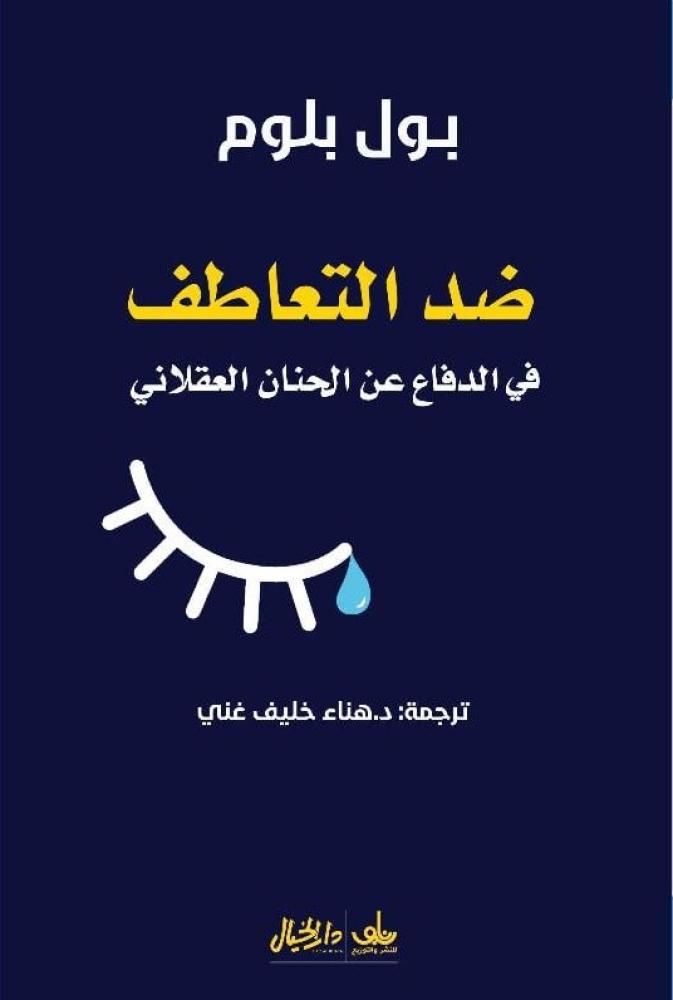
Against empathy in defending rational tenderness
75.10ر.س
Product description
Author's name: Paul Bloom Publisher: Al-Khayal for Publishing and Distribution Year of publication: 2024 Literary classification: Human Sciences Book summary: In a world that seems selfish and narcissistic, with its pillars cracked, it is certain that obtaining a greater dose of empathy and compassion would be wonderful. But this is not the case from the perspective of psychology professor Paul Bloom, who sees that empathy, in general, is one of the negative emotions in human life. It is "not like cholesterol. Rather, it is sugary, tempting, delicious, and also harmful to us." Against empathy, this book attempts to clarify the reasons that led Bloom to make this statement. Bloom develops in the chapters a compelling argument against empathy, among the reasons that make insight, kindness, self-control, and tenderness much better alternatives, as they occupy an essential place in what he calls virtuous moral life. He distinguishes between emotional empathy, which is manifested in the phrase put yourself in the other's place and feel what they feel of pain, and cognitive empathy, which is associated with perception and social intelligence, understanding how others experience the world without the need to emotionally engage. Despite the debates raised by the book regarding empathy, compassion, pity, making moral decisions, and the mechanisms of all these, it manages to say that empathy can motivate us to be kind and make the world a better place. "Against empathy in defense of rational tenderness" is a controversial book that combines deep thought and behavioral psychology, presented by psychology professor Paul Bloom. At a time when feelings of ego and selfishness are increasing worldwide, Bloom raises fundamental questions about the true nature of empathy and its importance. Bloom also distinguishes between two types of empathy: emotional empathy, where we put ourselves in others' shoes, and cognitive empathy, which involves a deep understanding of others' thoughts and experiences without emotional immersion. The book discusses how empathy influences moral decision-making and offers a strong call to understand humans in a more rational and humane way.

From Najran