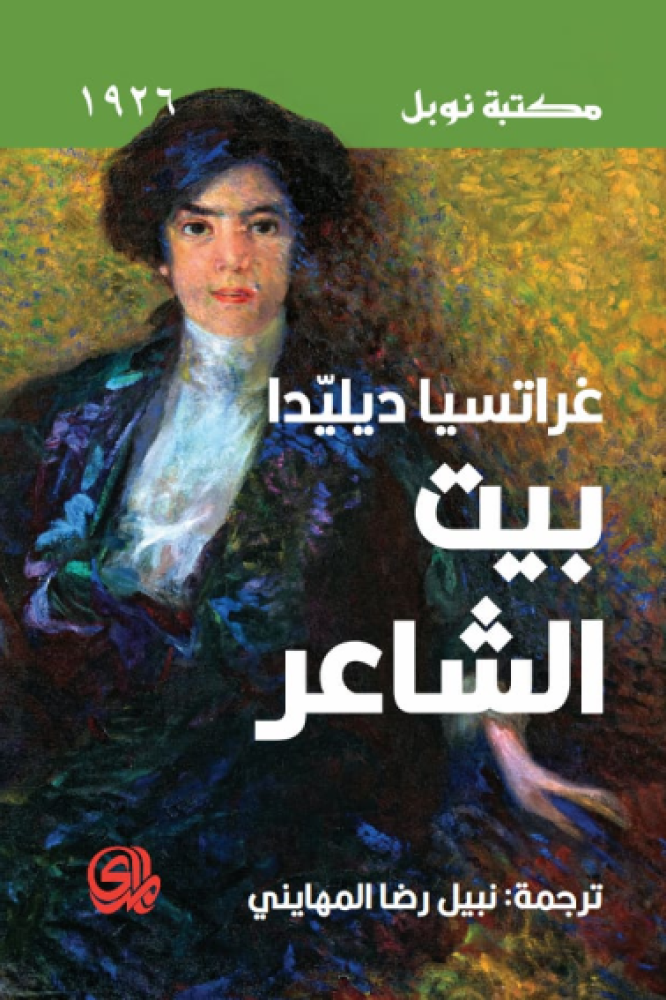
The poet's house
27.05ر.س
Product description
Gratia Diledda 1871 - 1936 novelist, poetess, and playwright, known for her prolific literary production. Her fame spread in Italy and around the world, until she became in 1926 the second woman in the world to receive the Nobel Prize in Literature, in recognition of her literature that "distinctively highlighted noble ideals and the ability to portray the reality of life and human beings with depth and warmth." In the context of the award presentation speech: "In Diledda's novels, we find more than in others a unique unity between man and nature. So much so that one might say that the humans in her novels are a plant species growing in the soil of Sardinia island. Gratia Diledda was a strong, creative woman, unafraid of prejudgments, and an author of a special kind of writing, rooted deeply in her knowledge of her homeland Sardinian traditions and culture. This close bond between literature and homeland, which she managed to free herself from, runs through her work as a model charged with extraordinary strength and superb expressive ability, also carrying within it its melodic tones and her autobiography, and representing characters that often reflect the life she dreamed of. Diledda translated the existential anxieties that characterized the 19th century, and she was able to rightly enter the Olympus of the global literary scene. This was thanks to the originality of her production and the nobility of her literary works, despite her origins from a rural area of our country. In her novels, we can observe the decisive influence of the realistic narrative school, which marked a fundamental turning point in her writing style and enabled her to skillfully depict characters suffering from deep internal conflicts. Her works constitute the cornerstone in the building of literary history, and the re-publication of many of her works today testifies to the increasing interest in her production. This also contributes to spreading our culture within Italy and abroad, and also serves as a model whose value for the new generations is undeniable.

From Najran
Questions you might have