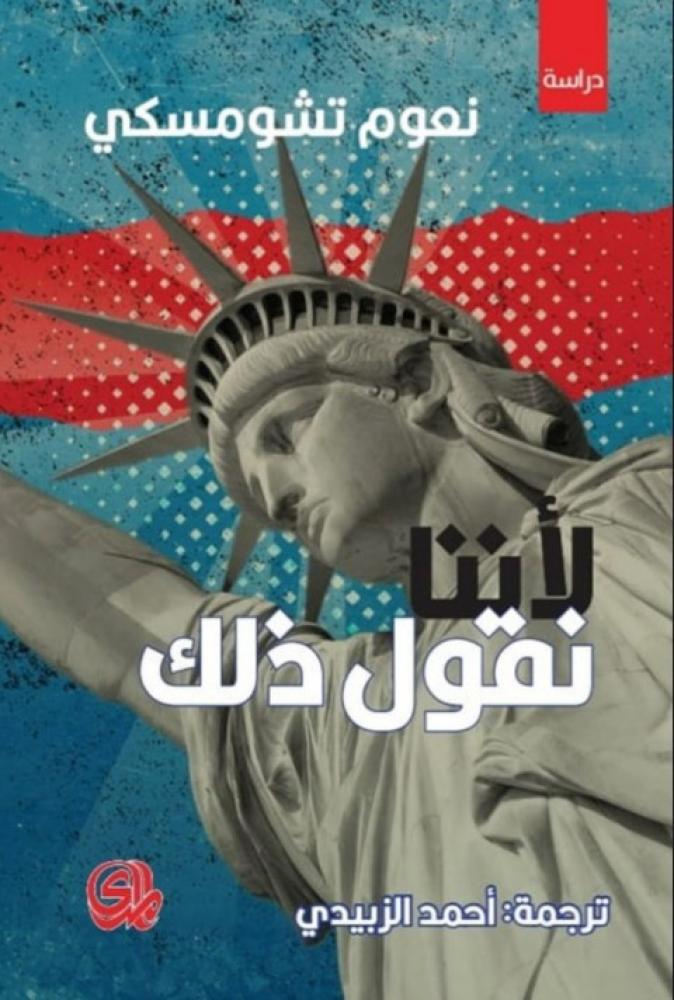
Because we say that
27.05ر.س
Product description
Every article in this book confirms that Chomsky does not support the idea of a single dimension of power, a idea often supported by many leftist thinkers. He is well aware that power is multifaceted, operates through a number of material and moral means, and is particularly skilled at pointing out that power also has an educational function and must include a historical understanding of the making of public relations and the emerging and existing cultural apparatus, which are central elements in issues of power, representing people's desires, and radical imagination, which are patterns of persuasion, shaping identities, and formulating desires. Chomsky continually reveals the gap between reality and the promise of radical democracy, especially in the United States, although he often provides a detailed analysis of how democracy is distorted in a number of countries that hide behind false claims of democracy their regimes' various forms of oppression. Chomsky has tried to reformulate the promises of democracy and at the same time develop new ways of theorizing issues of delegation and social imagination outside the neoliberal focus on individualism, privatization, and the assumption that the only valuable thing is exchange value. Unlike many intellectuals trapped in academic silo discourse and strict professional constraints, Chomsky writes and speaks from a perspective that can be called interconnected groups. By doing so, he links a variety of issues as part of a larger understanding of the diverse and specific economic, social, and political forces that shape people's lives in particular historical circumstances. He is one of the few theorists in North America who adopts patterns of solidarity and collective struggle not as an afterthought but as fundamental to what it means to connect civic, social, and moral characteristics and make them the basis of global resistance movements. His role as a public intellectual involves questions about what true democracy should look like, how its ideals and practices are being undermined, and what forces are necessary to shape it. These are the questions at the core of his thinking, conversations, and the comments included in this book.

From Najran
Questions you might have