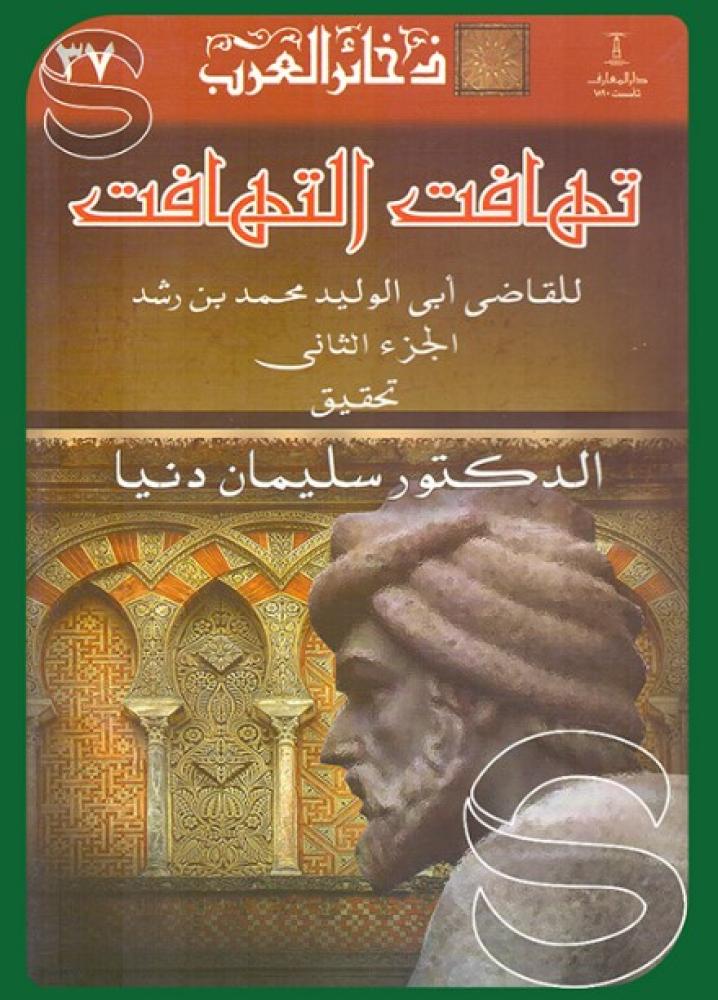
The frenzy of the frenzy 1/2
75.60ر.س
Out of Stock
Product description
Abu Al-Walid Ibn Rushd did not live in the time of Al-Ghazali, nor did he debate with him. All that is in the matter is that in his most famous book, *Tahafut al-Tahafut*, he directly responded to Al-Ghazali's *Tahafut al-Falasifa*, and most likely, about three-quarters of a century after the appearance of the latter book, which was and still is considered the greatest attack on speech about rational philosophical thought in the history of Islamic civilization. And the fact is that Al-Ghazali's book was famous, influential, and impactful in the Islamic intellectual environment, which prompted Ibn Rushd to produce that precise and vigorous response in *Tahafut al-Tahafut*. Just as Al-Ghazali did in *Tahafut al-Falasifa*, Ibn Rushd divided *Tahafut al-Tahafut* into two sections (theology and natural sciences), in which he discusses the twenty issues that Abu Hamid addressed, from the issue of eternity and temporality to the issue of immortality, then the emanation of multitude from the One, and the proof of the existence of the Creator of the universe, and that God is One and the denial of multiplicity in His essence, then His attributes: are they identical to the self or other than it? The issue of monotheism, then existence and essence in the divine self, transcendence and incarnation, then the Creator or eternity? After that, three issues come under the title of divine knowledge: knowledge of universals—can the First be understood through His essence? Then knowledge of particulars. Then the issue of obedience to the heavens, the purpose that drives the heavens, the preserved tablet, and the souls of the heavens before Abu Al-Walid moved on to natural sciences, discussing causality, then the spirituality of the soul, the issue of immortality, the annihilation of human souls, and finally resurrection: do souls have bodies or do they have both? If Al-Ghazali questions at the end of his book whether the philosophers he talks about are disbelievers and says: "If someone says: You have detailed the doctrines of these, do you then cut off the saying that they are disbelievers and that killing those who believe in them is obligatory?" he answers: their takfir (excommunication) is necessary on three issues: the first is the issue of the eternity of the world, the second is their claim that God does not have complete knowledge of the incidental particulars of individuals, and the third is their denial of the resurrection and gathering of bodies because these three issues are incompatible with Islam and their belief is a lie of the prophets. Conversely, Ibn Rushd sees that the religion of the philosophers is fundamentally based on faith in the existence of God and His worship, and that the doctrine of causality, which Abu Hamid refutes and denies, is actually the way to knowing God and knowing His creation in a real, experiential way. As for many issues related to popular conceptions of religion, Ibn Rushd believes they should be interpreted spiritually rather than rationally, because their ultimate goal is, originally, to encourage humans to follow the path of virtue. Humans always begin by living with general beliefs before living their personal lives. But even when a person reaches this level, instead of belittling the beliefs they once held, they should seek to understand them correctly. From this, it is clear that the main issue dominating *Tahafut al-Tahafut* and, of course, *Tahafut al-Falasifa*, is the issue of the relationship between religion and society, as it was presented in Arab-Islamic history, as Al-Jabiri reminds us.

From Najran
Questions you might have