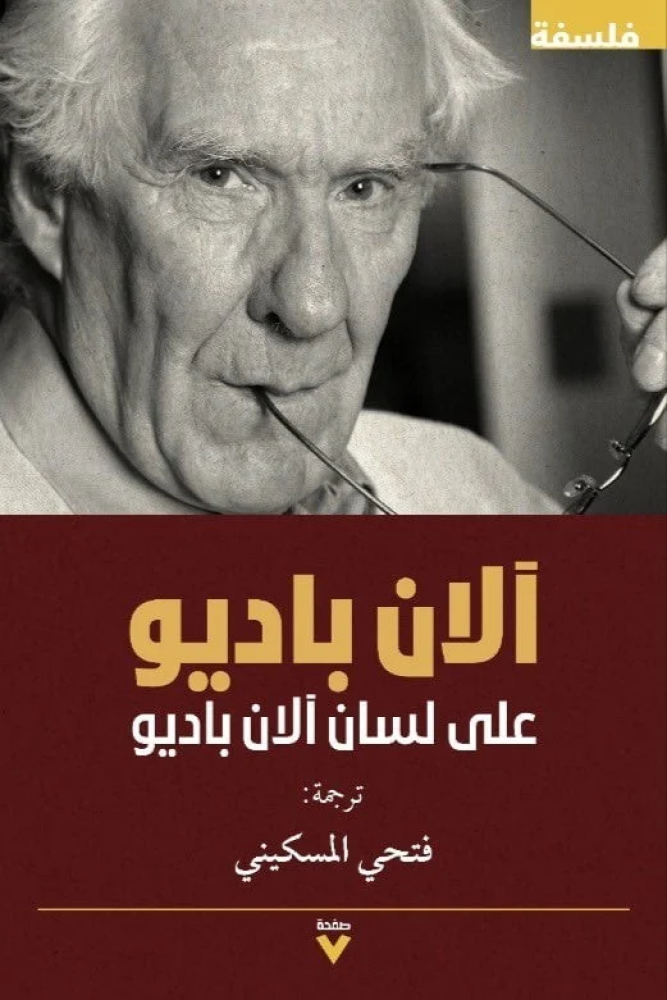
On the tongue of Alain Badou
38.64ر.س
Product description
What Badiou proposes is the distinction between knowledge and truth. Knowledge is merely a "fixed state of what we distinguish from a 'subject' or 'matter,' but truth is always a strike of 'sincerity' that follows a 'happening' founded on it. The problem is always: how does a certain 'method of sincerity' succeed in passing through the existing knowledge, starting from this excessive or exaggerated point which is the name of the event? What knowledge produces are 'correct' information, that is, determined by the prevailing circle of knowledge, whereas 'sincerity' is a stance of 'truth,' that is, a way of gathering the intensities through the exaggerated name of the event. And then it becomes clear to us that what accepts Tays is correct. But what alone does not accept Tays is real. Badiou said: 'To write in light of what we do not want to be, no matter the price, is undoubtedly more beneficial than writing under the suspicious image of what we wish to become' (Theory of the Self). This silent warning points to this: that the philosopher is not an identity for anyone. And no one has the right to speak in his name. This is only because the truth should not be a personal politics. And then it is useful to write against ourselves, or against what has been wanted for us to be for a long time. Every personal will is a sad face unbefitting the philosopher. And it is true that he should write in light of what he does not want to be. And this is a delicate task for philosophy anywhere. These are some of the threads of this book.

From Najran
Questions you might have