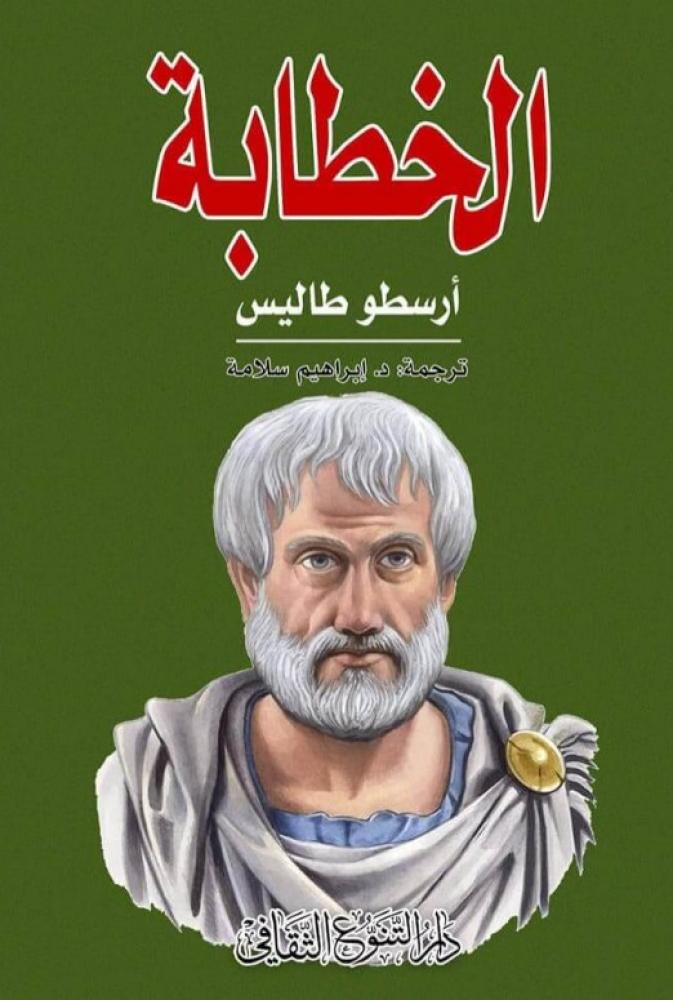
Preaching
43ر.س
Out of Stock
Product description
Aristotle was born in the city of Stagira, Macedonia, in 384 BC, 55 kilometers east of Thessaloniki. His father, Nicomachus, was a doctor to King Amyntas III of Macedonia, the grandfather of Alexander the Great. Aristotle left Macedonia for Athens at the age of seventeen to pursue his education and joined Plato's Academy. He remained at the Academy for about twenty years before leaving Athens in 348 BC. After Plato's death in 347 BC, he traveled to Atarneus, one of the Greek cities in Asia Minor, where he married the sister of its ruler, Hermias. After a short stay on the island of Lesbos, he received an invitation from King Philip of Macedonia to be the teacher of his son, who later became Alexander the Great. Aristotle was close to Alexander as a friend, teacher, and advisor until 334 BC, when Alexander launched his Asian military campaign. It is said that Alexander would send samples of plants and animals from the lands he passed through to his teacher to help increase his knowledge and facilitate his research and studies. From this, Aristotle was able to establish what is considered the first zoo in the world. In Athens, in 322 BC, Aristotle founded the Lyceum school. His followers were known as the Peripatetics because Aristotle was accustomed to walking among his students while teaching them. He managed his school for 13 years. Despite the hostility of the Athenians towards Macedonia, which enslaved them, Aristotle's school attracted many students and became a center for biological, historical, research, and governmental and administrative affairs. No subject discussed in Aristotle's days was left untouched in his school or his writings, which clarified and explained it. Among his most famous works are "Organon," "Politics," "Poetics," "Logic," "History of Animals," and "Astronomy." Alexander died in 323 BC, and the government of Athens fell into the hands of Alexander's enemies. Aristotle, a supporter of the Macedonians, was accused of atheism by his enemies, which led to persecution and a fate similar to that of Socrates before him. He fled to the city of Chalcis, where he was later struck by an illness and died at the age of 63 in 322 BC.

From Najran
Questions you might have