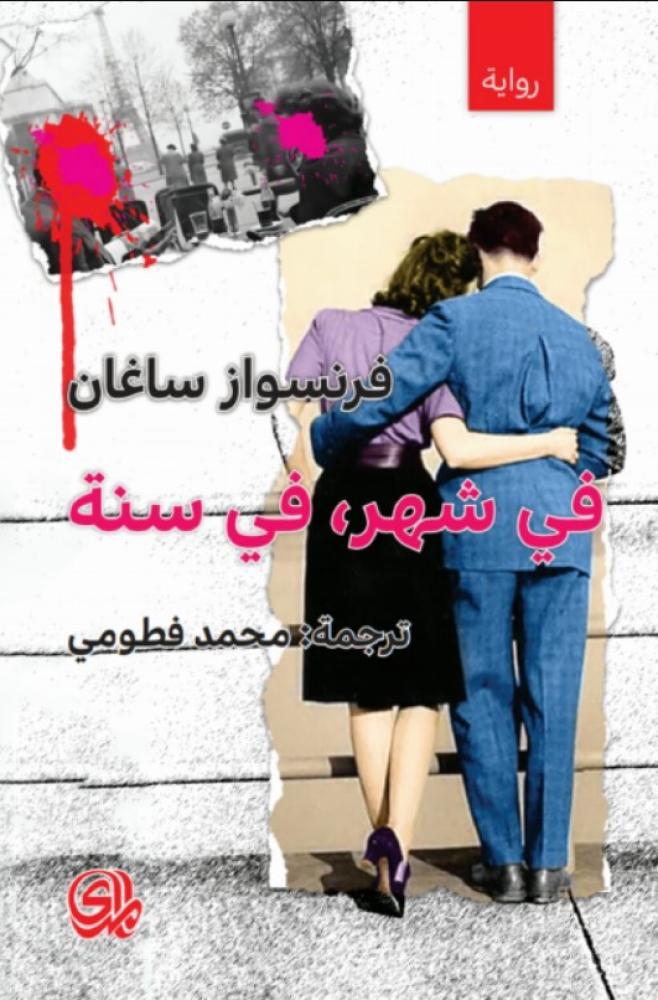
In month in year
23.18ر.س
Product description
A short novel with an unpretentious language and an elegant captivating style, Françoise Sagan inserted her traits into a struggle against mocking fate, reckless coincidence, and impossible love, armed only with isolation, illusion, wishes, and absurdity. A great calmness left Sagan’s characters searching for the lost habit, each in their own way. It was a light, well-crafted, and enjoyable literary painting, where imagination blended with reality, dreams with despair, paper tragedy with psychological tragedy, the depth of philosophy with the elegant narrative sentences characteristic of Sagan. That writer who captures from details and psychological states what you would not think possible to turn into writing. And she amazes you with her metaphors, which are unlike anything else, and her ability to delve into the human soul, so much so that even as I translate her, an old thought that had haunted me since I read her for the first time years ago revives in my mind. It says: She is a woman before whom one turns into a scandal! The interesting thing about the text, without preempting the reader’s discovery, is the Parisian atmosphere the writer invites you into, giving you the chance to share with the characters their places, outings, gatherings, and dialogues as if you were one of them. Then the innovative ideas she inspires as you watch relationships being built before your eyes and disappointments follow one after another. All the characters sought beyond happiness: awareness of happiness. At first glance, it seems that the person has moved from the mold of seeking happiness to becoming his own happiness, and may also, for simple reasons, turn into someone else’s tragedy and destiny. And the characters possess all the qualities of peace and happiness if there were not a poor distribution of roles among them. It becomes clear that the tragedy is a game of a mocking fate, reminiscent to a large extent of Greek gods governed by their desires and interests, playing with granting to the undeserving and depriving those who deserve. A theatrical plot in which Sagan excelled, closing her characters in a turbulent tragic space that was not devoid of drink, love, confusion, and the unknown.

From Najran