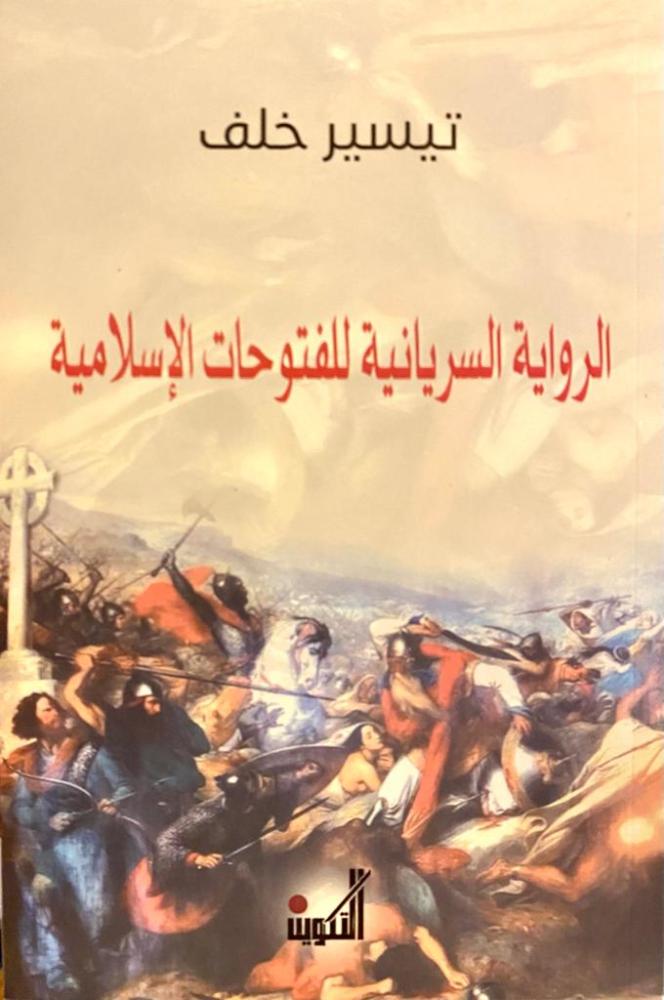
The Syriac account of the Islamic conquests
18ر.س
Out of Stock
Product description
Author's name: Taysir Khalaf
Publishing house: Al-Takween for Publishing and Distribution
Year of publication: 2016
Literary classification: History
Brief about the book: This book is based on translating some Syriac texts by Syriac historians who spoke about the Islamic conquests during their contemporaneity with them. The author tried to present the alternative narrative that contrasts with the Muslim or Byzantine accounts. Assisting him in the translation was Joseph Asmar, who translated the texts and brought some rare references for the author.
The author sees here that the Syriac narrative is important because it was recorded at the moment, unlike Islamic history which was transmitted orally and only documented after two centuries, leading to some disorder and contradictions in the arrangement of events!!!!
The author relied on some historians who witnessed the conquests, but most of them were not in decision-making centers; they were on the margins, except for the Roman commander of Syriac origin, Iwanis Rasifa, who was the Roman leader in Kunsirn. He met with the Islamic armies in Kunsirn, negotiated with them, and agreed to pay a tribute of 100,000 dirhams annually on the condition that they do not cross the Euphrates or enter between the two rivers, but this was quickly broken by the Roman Caesar.
It was customary among the Syriacs that the vast majority of those who addressed the issue of recording were bishops and church fathers. Therefore, the religious perspective is present in their documentation, explaining some incidents as divine punishment or similar explanations.
The source of their documentation was eyewitness testimonies from Syriac soldiers working within Byzantine forces or through church reports written at that time about this new call (Islam) and their diagnosis and perception of it.
The author included a Christian text prepared by Syriac clergy when the Islamic call appeared, summarized in points, and their perception of it was mentioned. However, he did not include the full text, arguing that after the text he prepared, there are many inaccuracies that are not worth mentioning.

From Najran
Questions you might have