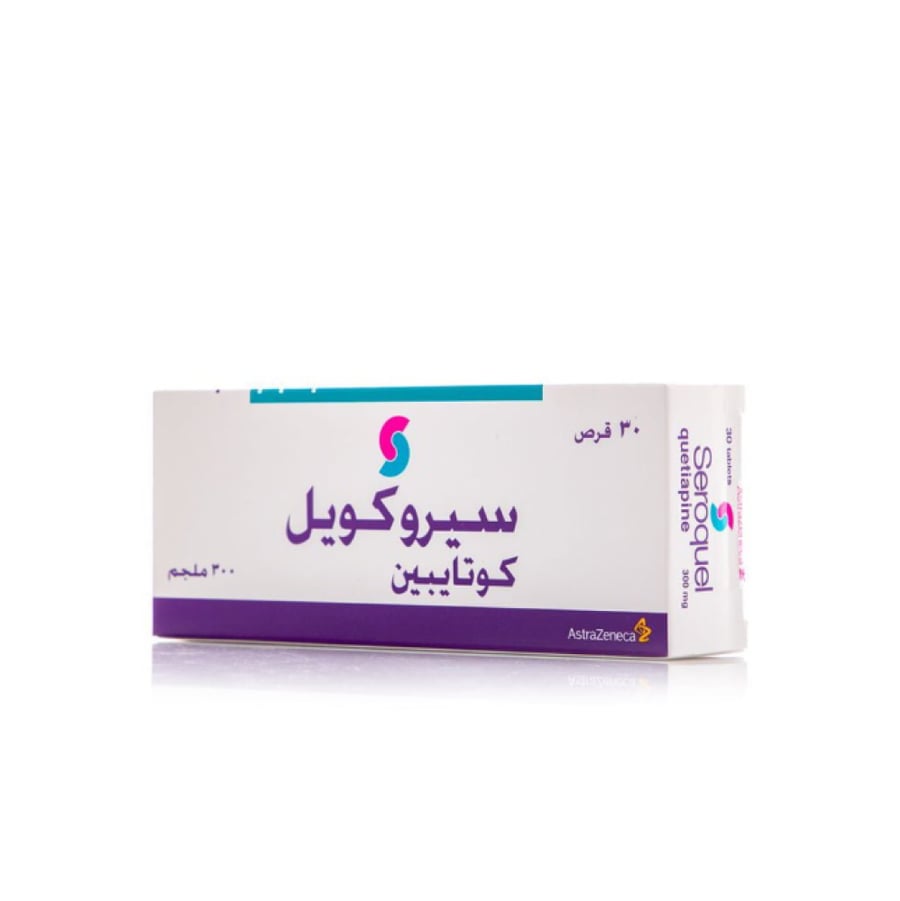
Circul 300 mg - 30 tablets
165.50ر.س
Product description
What is Quetiapine and what are its indications for use: Quetiapine belongs to a group of medications called antipsychotics. Quetiapine can be used to treat many diseases, such as: bipolar depression and major depressive episodes in severe depression disorder: where you feel sad. You may find yourself feeling depressed or guilty or lacking energy or losing your appetite or unable to sleep. Mania: where you may feel intense excitement, or happiness, or agitation, or enthusiasm or excessive activity, or misjudgment including aggression or disturbance. Schizophrenia: where you may hear or feel things that are not present or believe false things or feel suspicious or anxious or confused or guilty or tense or unusually depressed. Do not take Quetiapine: if you are allergic to Quetiapine or any other components of this medication. If you are taking any of the following medications: some HIV medications, azole drugs (for fungal infections), erythromycin or clarithromycin (for infections), nefazodone (for depression). Warnings and precautions: Talk to your doctor or pharmacist before taking Quetiapine: if you or a family member have or have had any heart problems. If you have low blood pressure. If you have had a stroke, especially if you are elderly. If you have liver problems. If you have a seizure. If you have diabetes or are at risk of developing it. If you know you have had low white blood cell levels in the past. If you are an elderly person with dementia (loss of brain functions). If you are an elderly person with Parkinson’s disease. If you or anyone else in your family has a history of blood clots. If you have or have had a condition where you stop breathing for short periods during your normal sleep at night and take medications that slow the normal activity of the brain ("depressants"). If you have a condition where you cannot fully empty your bladder (urinary retention), or have an enlarged prostate, or intestinal obstruction, or increased pressure inside your eye. If you have a history of alcohol or drug abuse. Possible side effects of Quetiapine: The following symptoms may occur: dizziness (which may lead to falls), headache, dry mouth. Sleepiness may diminish over time as you continue taking Quetiapine. Symptoms that occur when stopping Quetiapine include inability to sleep (insomnia), nausea, headache, diarrhea, vomiting, dizziness, and irritability. Weight gain. Unusual muscle movements. These include difficulty initiating muscle movements, tremors, feeling of discomfort or muscle stiffness without pain. Changes in the levels of some fats (triglycerides and total cholesterol). Rapid heartbeat. Feeling that your heart is pounding, racing, or skipping beats. Constipation and indigestion. Feeling weak. Swelling in the arms or legs. Low blood pressure when standing up. Elevated blood sugar levels. Blurred vision. Unusual dreams and nightmares. Other medications and Quetiapine: Do not take Quetiapine if you are taking any of the following: some AIDS medications, azole drugs (for fungal infections), erythromycin or clarithromycin (for infections), nefazodone (for depression). How to take Quetiapine: Your doctor will determine the starting dose. The maintenance dose (daily dose) will depend on your disease and needs but is usually between 150 mg and 800 mg. You will take your tablets once daily. Do not split, chew, or crush the tablets. Swallow the tablets whole with water. Take your tablets on an empty stomach (at least one hour before a meal or before sleep, your doctor will tell you when). Do not drink grapefruit juice while taking Quetiapine. Do not stop taking your tablets even if you feel better, unless your doctor tells you to. How to store Quetiapine: Keep this medication out of sight and reach of children. Do not use this medication after the expiration date mentioned on the container. The expiration date refers to the last day of the same month. Quetiapine does not require special storage conditions.* The form and method of administration of 25 mg, 100 mg, 200 mg, and 300 mg coated tablets of Quetiapine should be prescribed according to the therapeutic indication and the severity of the disease for each patient individually.

From Buraydah