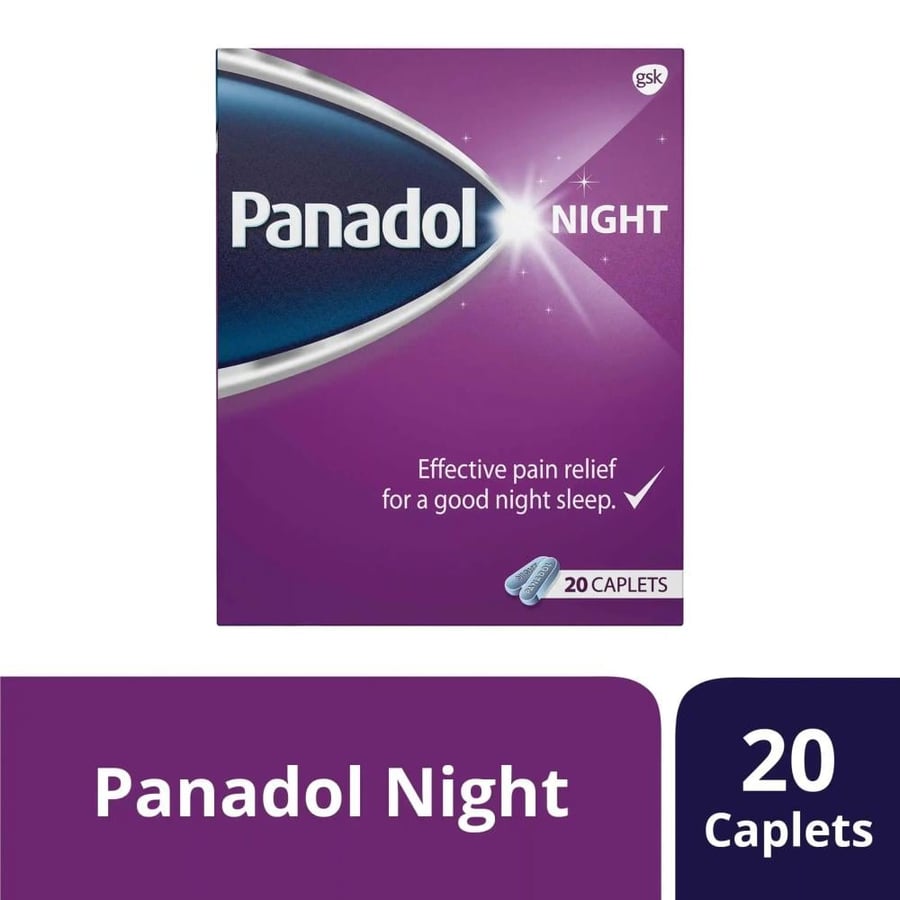


Panadol Night pain reliever 20 tablets
11.60ر.س
Product description
Panadol Night pain reliever what is paracetamol / diphenhydramine and what is its use: Paracetamol is a medicine belonging to a class of medicines known as pain relievers and fever reducers. Diphenhydramine hydrochloride is an antihistamine (a medicine for allergies) causes drowsiness making it useful when you cannot sleep because of pain. Panadol Night pain reliever is used for a comfortable sleep and for relief during the night from the following indicators: signs and symptoms of cold and flu back pain toothache menstrual pain muscle pain headache fever migraine do not take paracetamol / diphenhydramine if you are allergic to paracetamol, or diphenhydramine, or any of the ingredients in this medicine. Tell your doctor about your allergies and the signs you have. if you are taking other products containing paracetamol, especially if taken in the last 4 hours. Make sure not to exceed the dose of paracetamol. if you are taking other antihistamines including those used with other medicines (such as cold and flu medicines) and those applied to the skin. if you have porphyria (presence of excess porphyrins which is a pigment that may change the color of urine). Precautions and warnings talk to your doctor or pharmacist if you experience allergic reactions such as shortness of breath, rash, swelling of the face or neck, low blood pressure, and dizziness. Make sure to inform your doctor if you have liver or kidney problems, including alcoholic liver disease or if you suffer from mild arthritis and need to take painkillers daily. Long-term use of Panadol Night pain reliever may be harmful to the liver. contact your doctor if symptoms are not relieved. This medicine contains lactose. talk to your doctor before taking this medicine if you are lactose intolerant. Make sure not to take Panadol Night pain reliever for more than 7 consecutive nights without first talking to your doctor. talk to your doctor if you are intolerant to some types of sugars. avoid drinking alcohol when taking this medicine. talk to your doctor before taking this medicine if you are malnourished, underweight, or a regular alcohol consumer. talk to your doctor before starting this medicine if you have respiratory problems (such as asthma, chronic obstructive pulmonary disease, bronchitis). talk to your doctor before starting treatment if you have intestinal or stomach blockage, prostate enlargement, urination problems, or narrow-angle glaucoma (high pressure in your eye). talk to your doctor before starting treatment if you have severe myasthenia (a neuromuscular disease causing muscle weakness) or seizures. Make sure to inform your doctor if you have a severe infection, weight loss, malnutrition, or regularly consume alcohol to avoid the development of metabolic acidosis which usually manifests in signs and symptoms such as loss of appetite, deep and rapid breathing, vomiting, and nausea. contact your doctor immediately if you experience any of these signs. do not use this medicine for other purposes and do not share it with anyone. potential side effects include signs of allergic reaction, such as rash and itching, signs of respiratory problems like difficulty breathing, thickening of sputum, or chest tightness (more likely if you have experienced these before after taking similar painkillers like aspirin and ibuprofen), sudden weight loss, upset stomach, nausea, yellowing of the skin and eyes, loss of appetite, unexplained bleeding or bruising, heart rhythm disturbances, difficulty urinating, difficulty coordinating muscles, headache, seizures, recurrent infections or fever. common side effects of Panadol Night include drowsiness, dizziness, blurred vision, insomnia, confusion, instability, dry mouth, muscle tremors, difficulty concentrating, tiredness, and tingling sensations in the skin. other medicines and paracetamol / diphenhydramine tell your doctor or pharmacist if you are taking or have recently taken or might take any of the medicines: if you are taking metoclopramide or domperidone (used for vomiting or nausea). if you are taking cholestyramine (used to lower cholesterol). if you are taking blood thinners (such as warfarin) and need to take a pain reliever daily. chronic use of painkillers and blood thinners may increase the risk of bleeding. if you are taking other medicines containing paracetamol. if you are taking or have taken in the past two weeks MAO inhibitors (used for depression), such as moclobemide. if you are taking antidepressants including tricyclic antidepressants and venlafaxine. if you are taking atropine. if you are taking medicines that can make you sleepy including sedatives and anti-anxiety medications. if you are taking other painkillers, such as codeine. if you are taking beta blockers, such as metoprolol (used for high blood pressure and heart problems). if you are taking medicines to relieve stomach cramps (such as dicyclomine). if you are taking travel sickness medicines (such as hyoscine). how to take paracetamol / diphenhydramine adults, the elderly, and children aged 16 and above take two tablets of Panadol Night pain reliever 20 minutes before sleep. make sure not to exceed two tablets within 24 hours. children under 16 years old do not give paracetamol / diphenhydramine tablets to children under 16 years. make sure not to take this medicine if you have taken 4 doses of another product containing paracetamol during the day. make sure not to exceed the recommended daily dose. take the tablet with food or without. take the tablet with a full glass of water. how to store paracetamol / diphenhydramine keep Panadol Night pain reliever out of reach of children and pets. store the medicine at a temperature below 25°C in a dry place. do not use the medicine after the expiration date printed on the package. keep the medicine in its original container to protect it from moisture and light. do not use damaged pills. do not dispose of medicines in wastewater or household waste.

From Buraydah