Safflower plant seeds - carthamus - aljargom (Carthamus tinctorius)
7ر.س
Product description
Common name: Safflower - Carthamus - Jurgum
Scientific name: Carthamus tinctorius
Also known as: Fake saffron
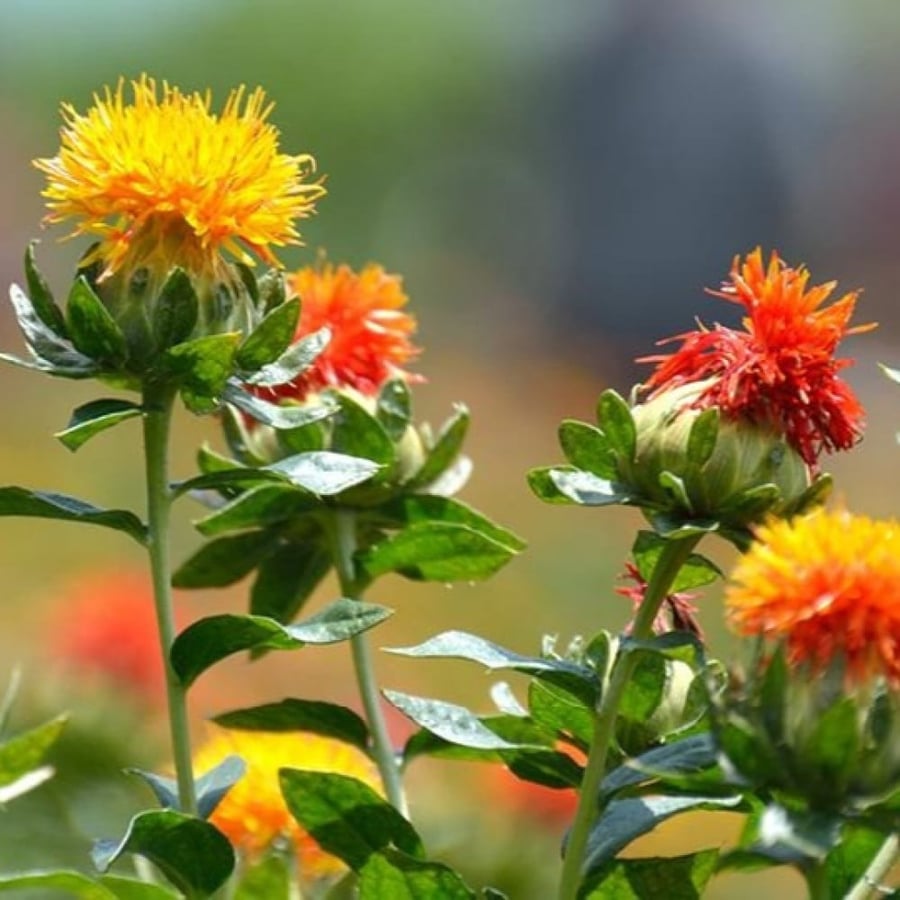
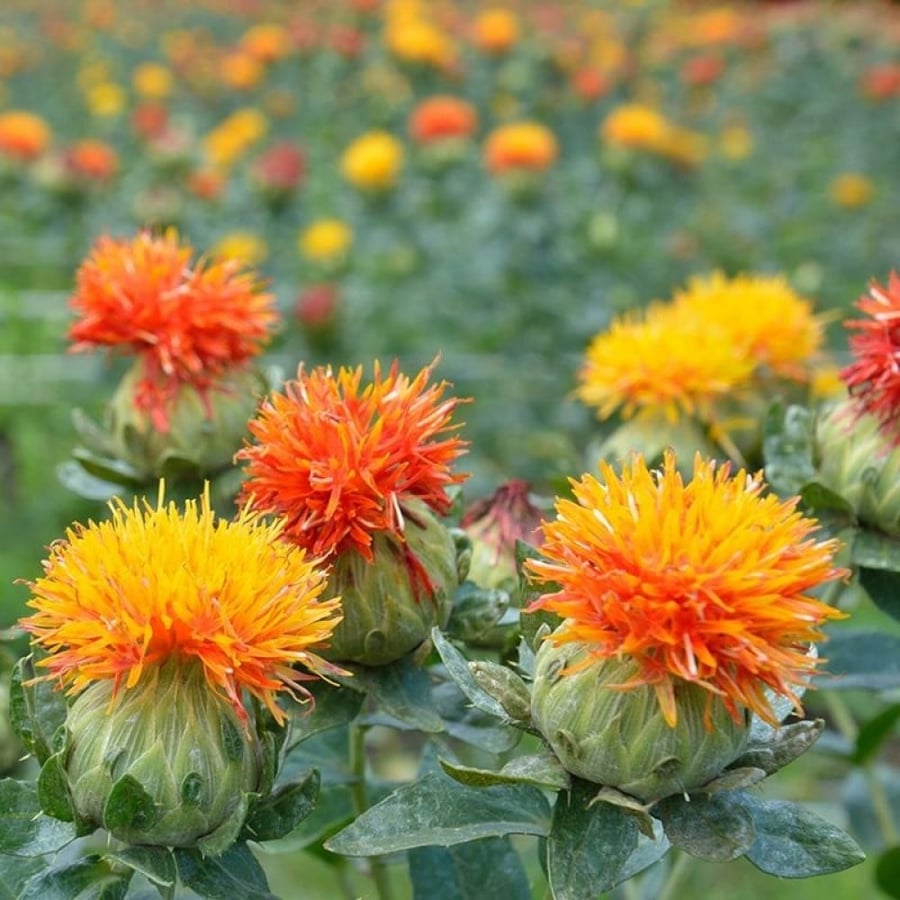
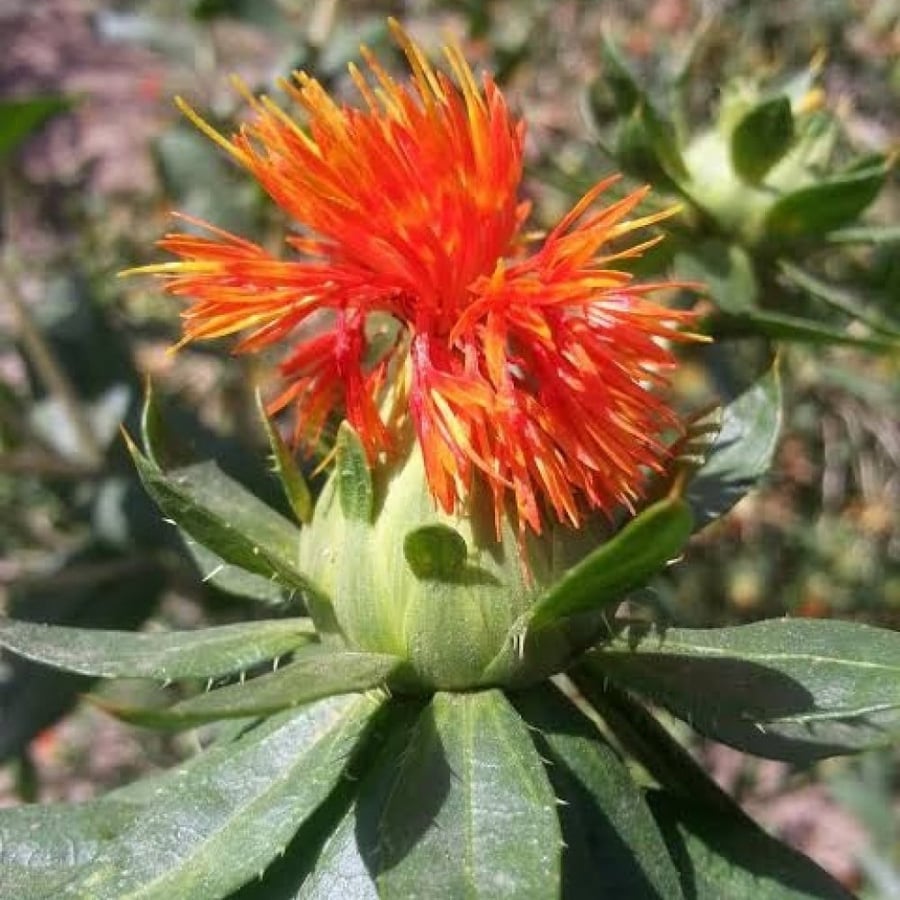
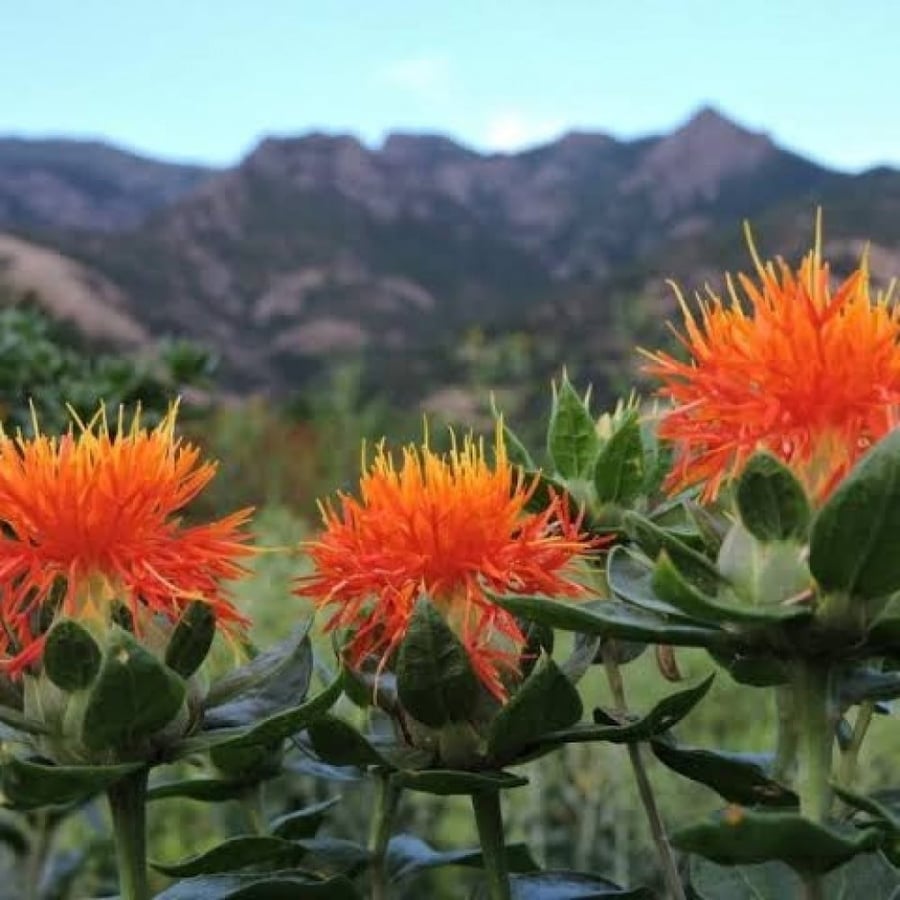
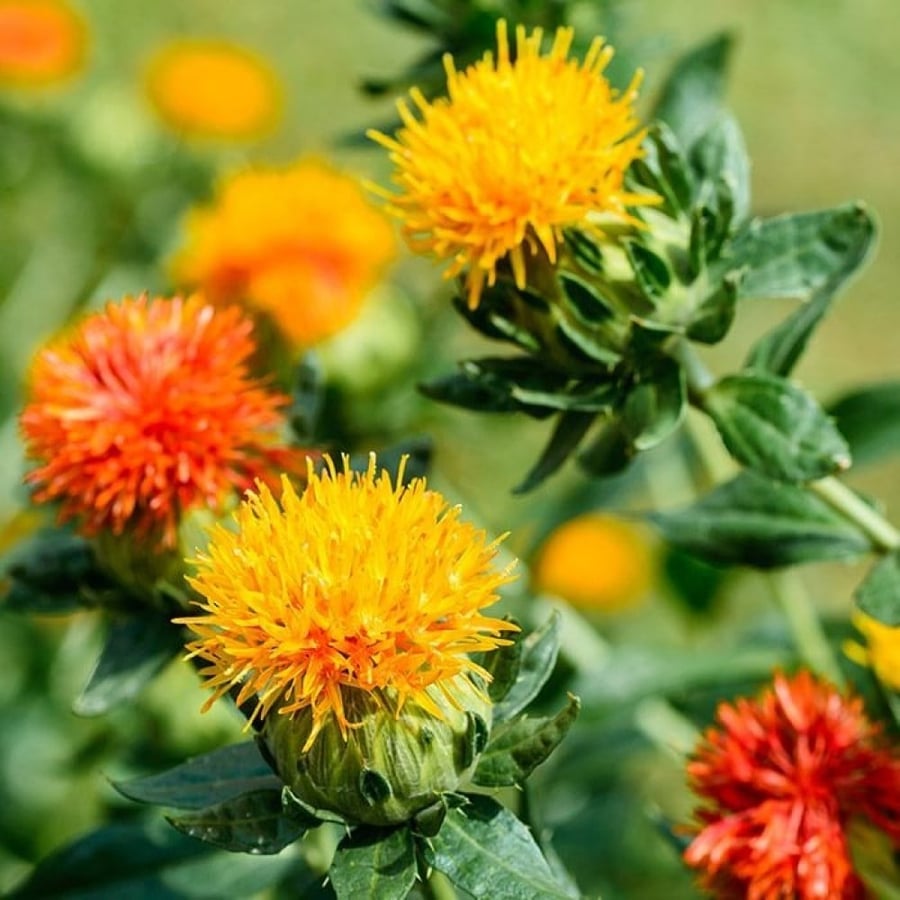
Safflower is a winter annual plant belonging to the Asteraceae family, reaching a height of up to 150 centimeters. Its leaves are green and lance-shaped, and it has attractive flowers from which a product similar to saffron is extracted. Some adulterers grind it to imitate saffron due to its resemblance. It is also similar to turmeric, but turmeric has a stronger taste and different uses.
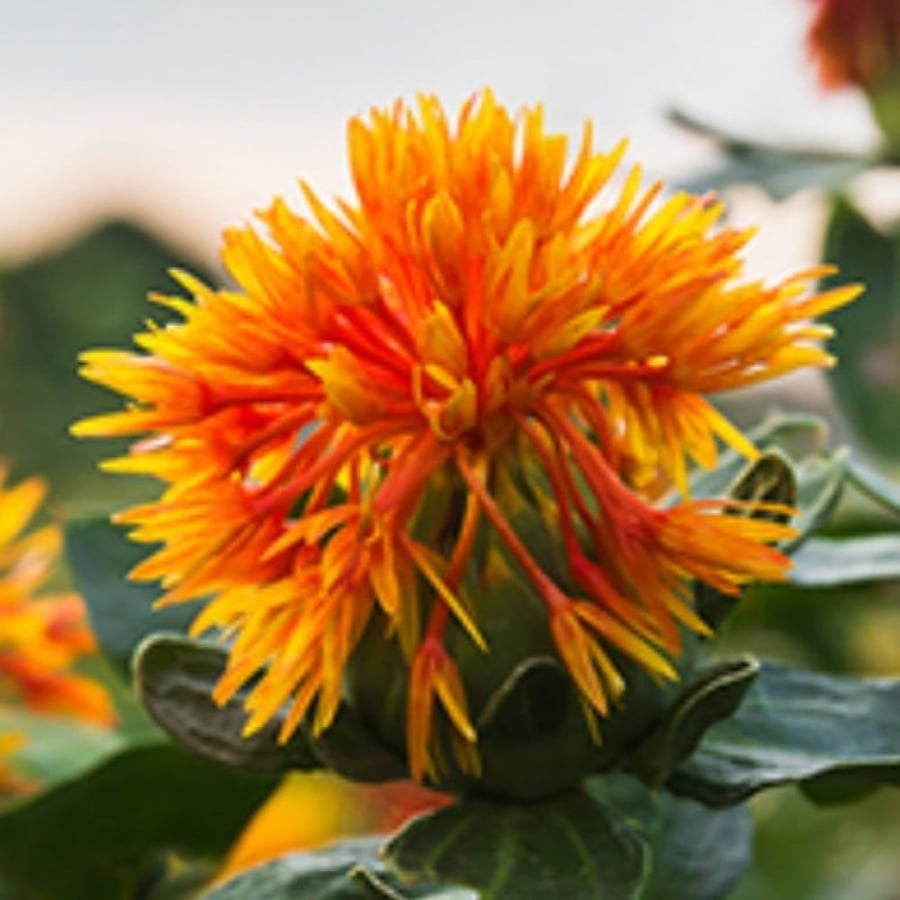
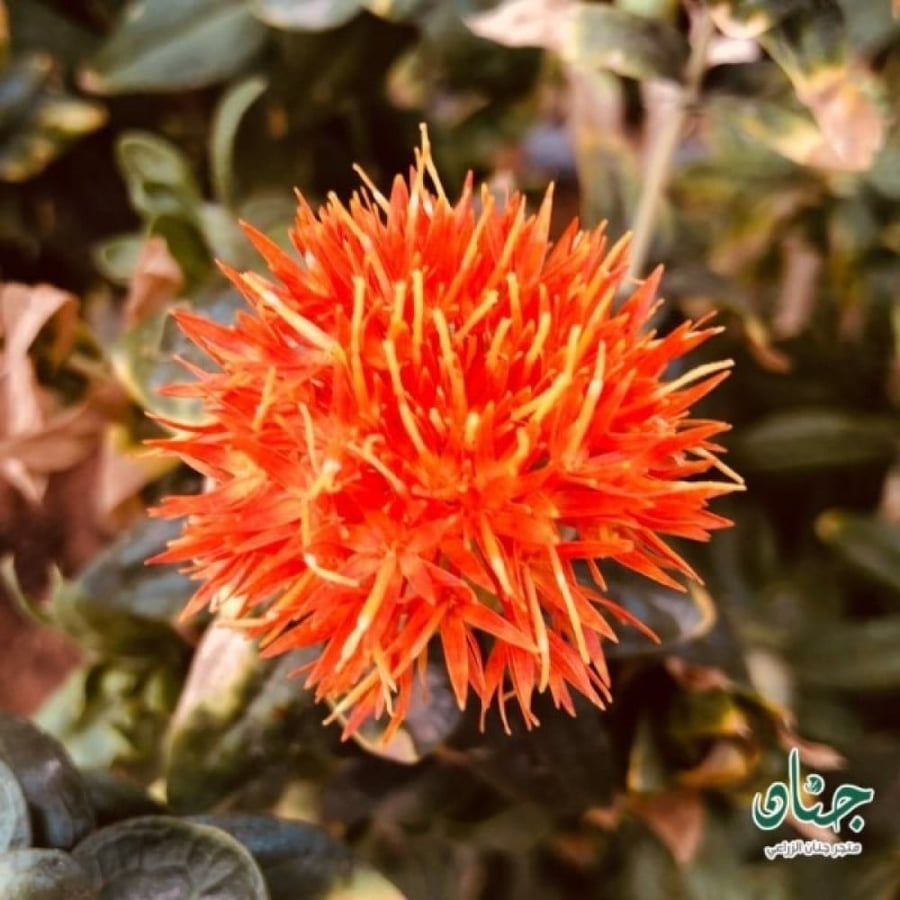
Safflower flower: Its flowers are yellow leaning towards orange, small in size, grouped together, and bloom in spring.
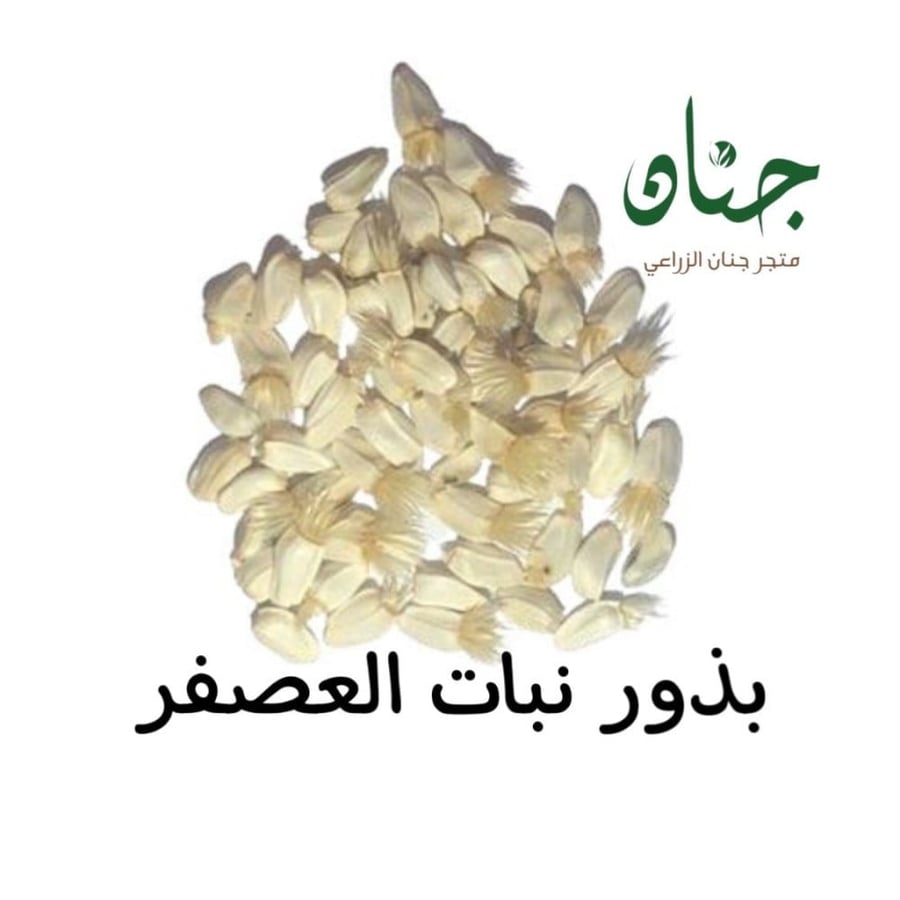
Safflower seeds - Carthamus - Jurgum:
Its seeds are medium-sized, white, and smooth.
Germination season:
It is planted in the fall season, but can also be cultivated year-round in agricultural greenhouses, enclosed or plastic-covered areas where temperature can be controlled, sunlight is accessible, or where adequate lighting for the plant exists.
Suitable climate and soil for safflower cultivation:
Safflower grows in various soils, including good-draining clay or sandy soils, well-ventilated, loves sunlight, resistant to frost and drought.
Method of cultivating safflower - Carthamus - Jurgum:
It propagates by seeds planted at a depth of 1-2 cm from the soil surface. It can be fertilized with organic fertilizer at least once during flowering to accelerate growth and development.
Its benefits and uses:
Oil is extracted from safflower seeds, which has medicinal value and is rich in nutrients. Safflower is a source of health benefits, helping to lower blood cholesterol levels, aid in weight loss, improve hair and skin health, and boost the immune system. It is also used for food coloring and is similar to saffron.
Initial Australian studies have shown that safflower oil is a high-quality lipid oil that can be used for energy production. It produces fewer emissions than traditional petroleum-based products, can be recycled and reused, and decomposes in an environmentally friendly manner.
Original homeland: Africa and India, and it is cultivated in many Middle Eastern countries.

From Buraydah