
Arak tree seeds - Miswak (Salvadora Persica)
7ر.س
Product description
Common name: Arak
Scientific name: Salvadora Persica
Also known as: Miswak
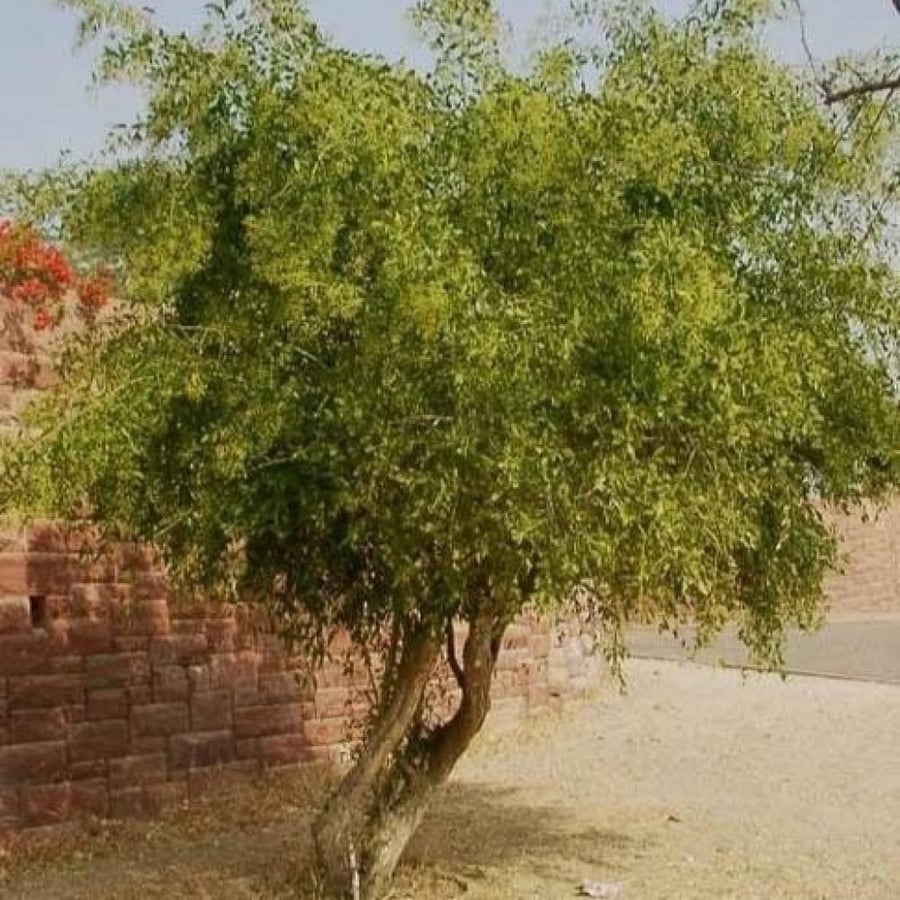
Evergreen tree with slow growth, reaching a height of 6 meters, with a curved, multi-branched trunk and cracked white bark. It has a wide crown of green, curved branches with a pleasant fragrance. The leaves are light to dark green, fleshy, oval to round, and contain a high amount of salts.
Flower of the Arak tree - Miswak: small, green to yellowish, borne on thin, branched clusters up to 10 cm long, blooming from early February until the end of December.
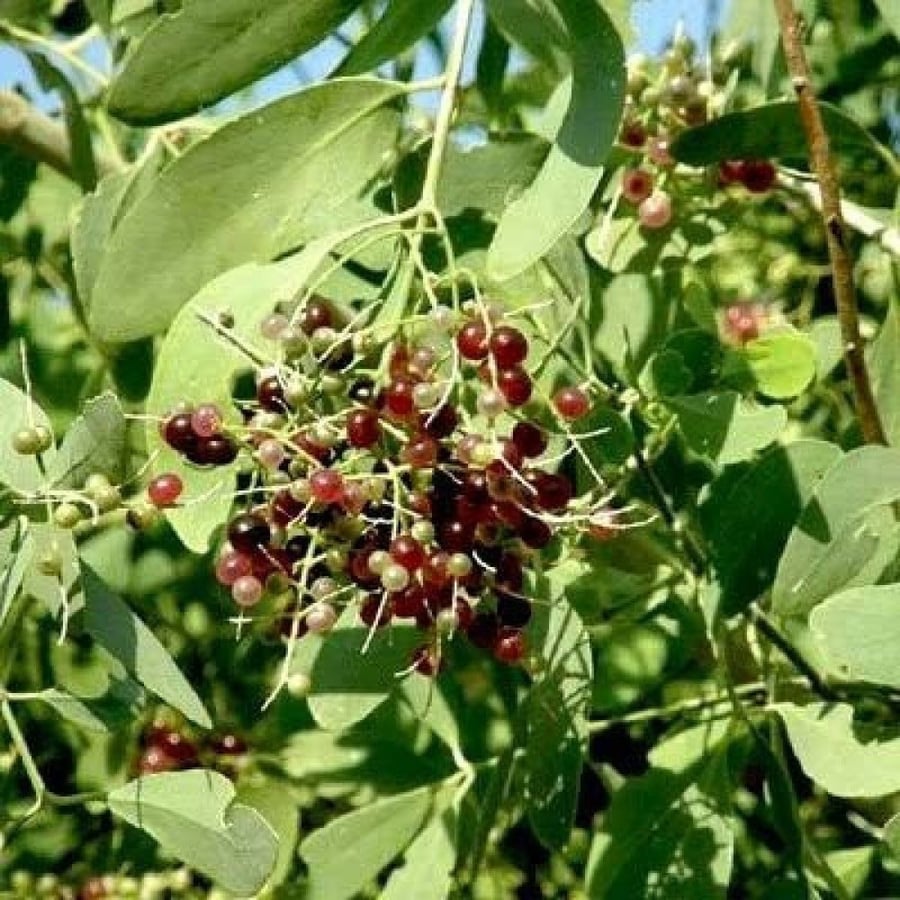
Fruit and seeds of the Arak tree - Miswak: round, bright red fleshy fruit when ripe, with a diameter of 5–10 mm, having a sweet, aromatic taste and are edible.
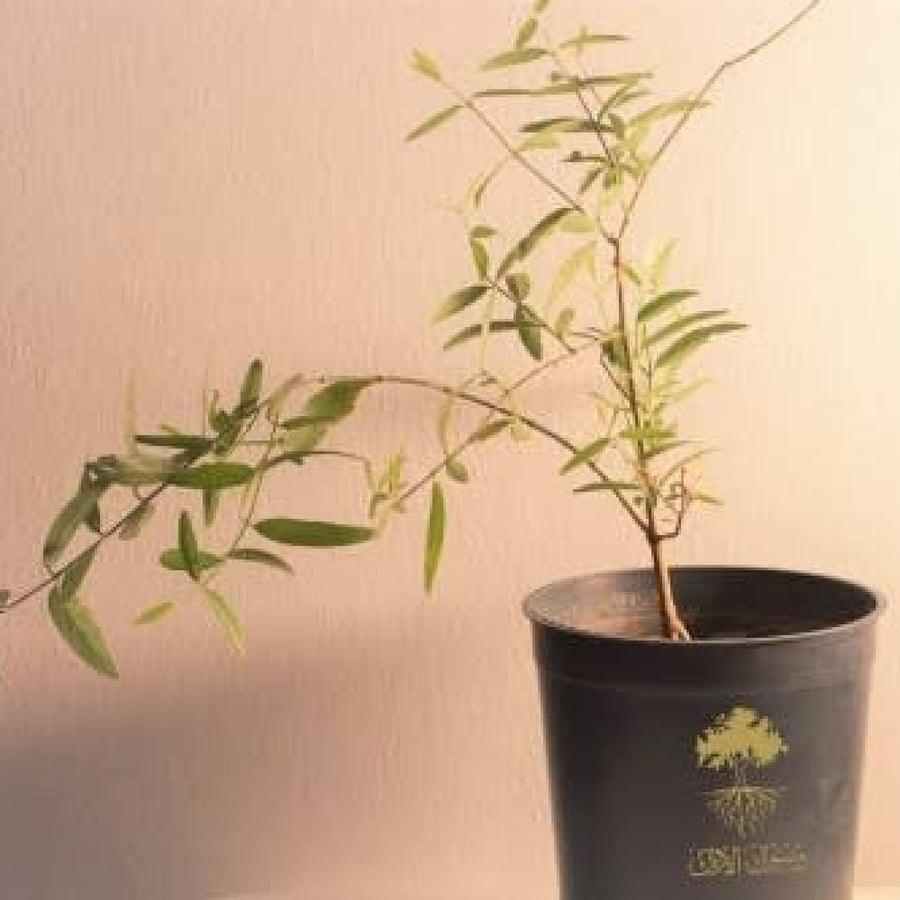
Season for germinating the Arak tree - Miswak: best planted at the beginning of spring, but can be cultivated year-round in agricultural reserves, enclosed spaces, or plastic-covered areas where temperature can be controlled, sunlight reaches, and proper lighting is available.
Suitable climate and soil for cultivating the Arak tree - Miswak: suitable for tropical or semi-tropical climates with humidity, tolerates drought and frost, and can be grown in sandy soil and areas with high groundwater levels.
Method of cultivating the Arak tree - Miswak: soak the seeds in water overnight until ready for germination, or dry the seeds and sow them in suitable soil made of peat moss and perlite in a suitable container made of cork or a pot. Water them and cover with a transparent nylon cover until germination, ensuring the soil remains moist at all times.
Its benefits and uses:
Extracted from it is the toothbrush (Miswak) for cleaning teeth. The leaves are also a good fodder for animals. This plant has a great ability for lateral branching, making it suitable for use as a plant fence, windbreaks, and for stabilizing and reclaiming sand dunes. It can be considered an excellent desert shrub that requires no maintenance.
Original habitat of the Arak tree - Miswak:
The original habitat of the Arak is the Hejaz region in Saudi Arabia.

From Buraydah