

Seeds of the Yasar tree - Arab Anise - Arab Moringa
6ر.س
Product description
Common name: Arab Moringa - Yassar - Arab Moringa
Scientific name: Moringa Peregrina
Other names: Love Tree - Bahin - Tree of Life
Arab Moringa is a fast-growing upright tree, its trunk is soft and flexible, not easily broken. Its branches are open with an elegant appearance and can reach a height of about 10 meters. It has thick, dark gray bark, and smooth cylindrical branches that exceed 40 cm in length. The leaves are spaced, oval-shaped, green, and carried on short petioles. This tree was historically mentioned in Arab poetry, where women with tall, graceful figures were likened to the branch of the Moringa.
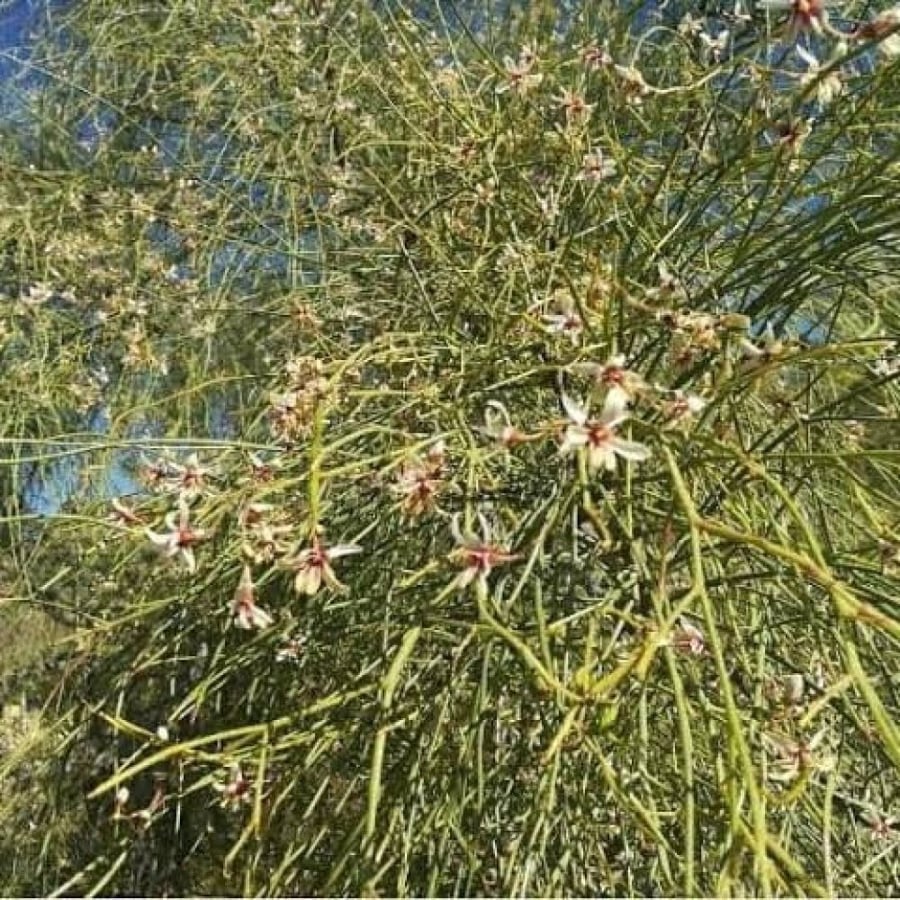
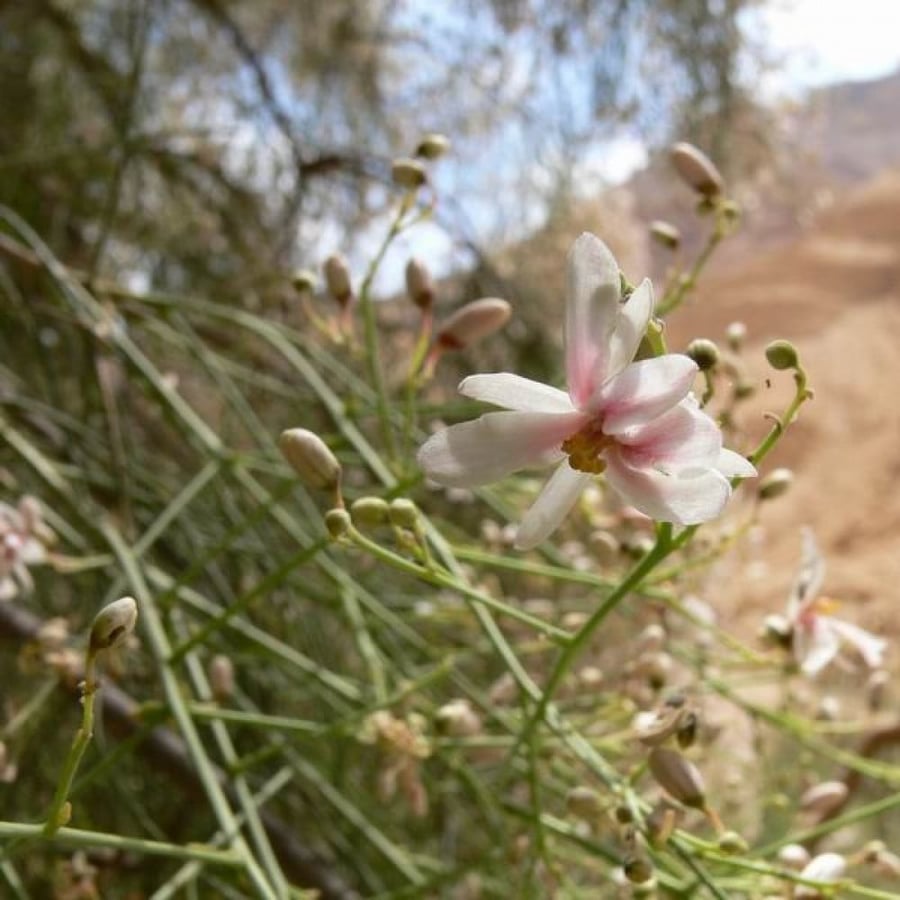
• Yassar flower or Arab Moringa or Arab Moringa: Its flowers are white with a pinkish hue, with a distinctive scent that attracts bees. They reach up to 15 cm in diameter and bloom from February to the end of March. They are among the flowers that attract bees.
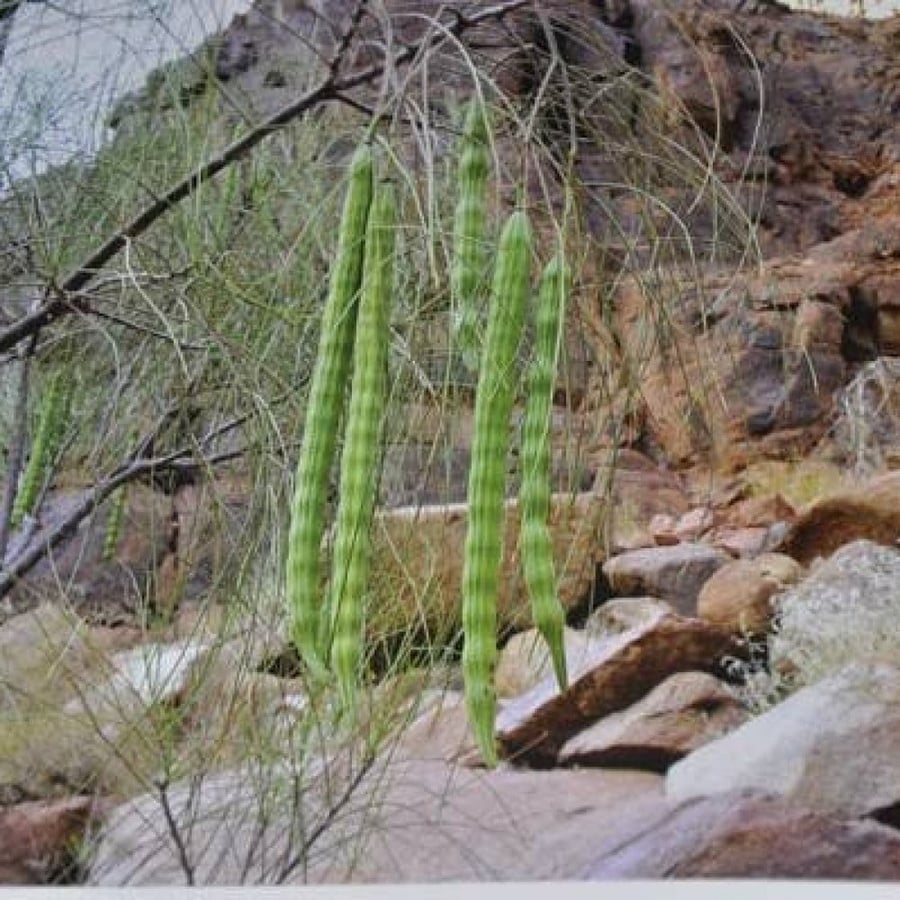
• Fruit and seeds of Yassar or Arab Moringa: Its fruits are pods that can reach 50 cm in length, light green in color, spiny, and contain several seeds.
• Growing season of Yassar or Arab Moringa: It is planted after the rainy season, that is, after the end of winter. It can also be cultivated year-round in agricultural reserves, enclosed spaces, or plastic houses where temperature and sunlight can be controlled, or where adequate lighting for the plant is available.
• Suitable climate and soil for Yassar or Arab Moringa: The Arab Moringa tree prefers to grow in dry sandy soil as it can withstand drought and high temperatures. It naturally grows in various dry environments and can be easily cultivated for grazing purposes. It is one of the trees that do not require fertilization.
• How to cultivate Yassar or Arab Moringa: It propagates through seeds that spread after the rainy season, carried by flowing water or animals that feed on it.
• Benefits and uses: The uses of Arab Moringa are numerous. In addition to its medicinal uses, a special oil is extracted from its leaves and seeds, which surpasses olive oil in nutritional value. The bark contains coarse fibers used for making mats, paper, and ropes. Its leaves and branches are used as animal feed, and its branches are used as fuel.
• Native habitat of Yassar or Arab Moringa: Its original habitats are Sudan, India, and the Arabian Peninsula.

From Buraydah