

Coastal hibiscus seeds
8ر.س
Out of Stock
Product description
Common name: Coastal Hibiscus
Scientific name: Hibiscus Tiliaceus
Also known as: Coastal Khutami - Taspisia
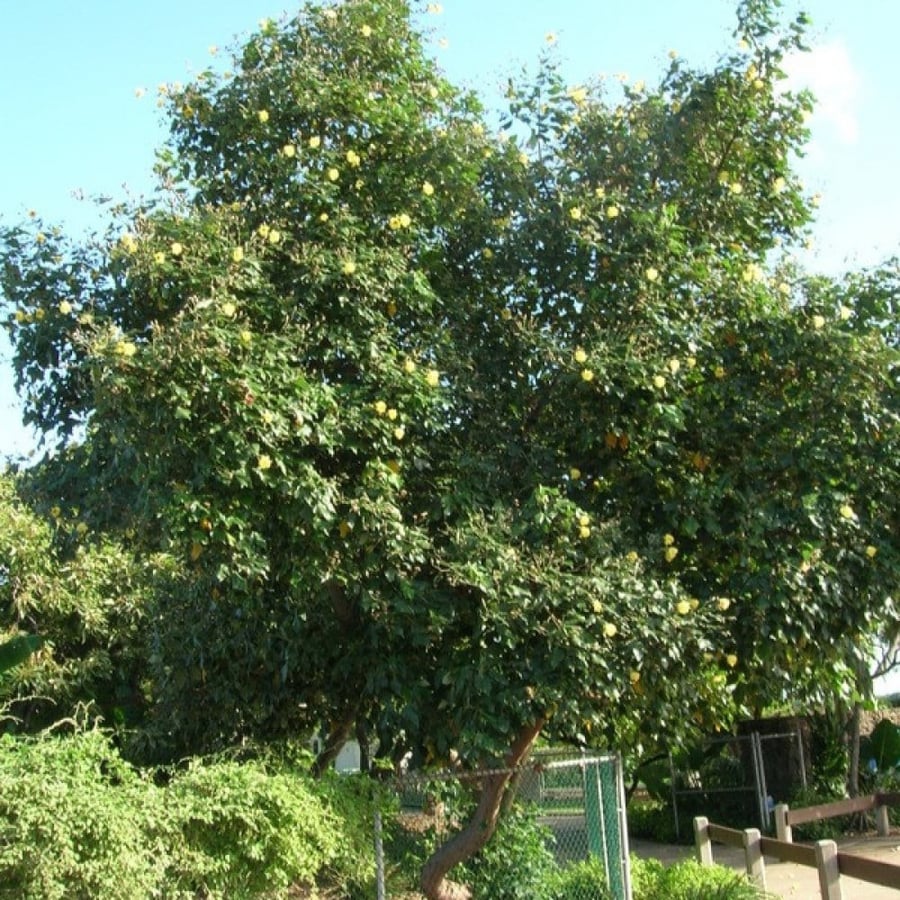
The Coastal Khutami plant is a member of the Malvaceae family and is a decorative tree that reaches a height of up to 10 meters, grows quickly, has heart-shaped leaves that do not fall off, which gives the tree a dense crown.
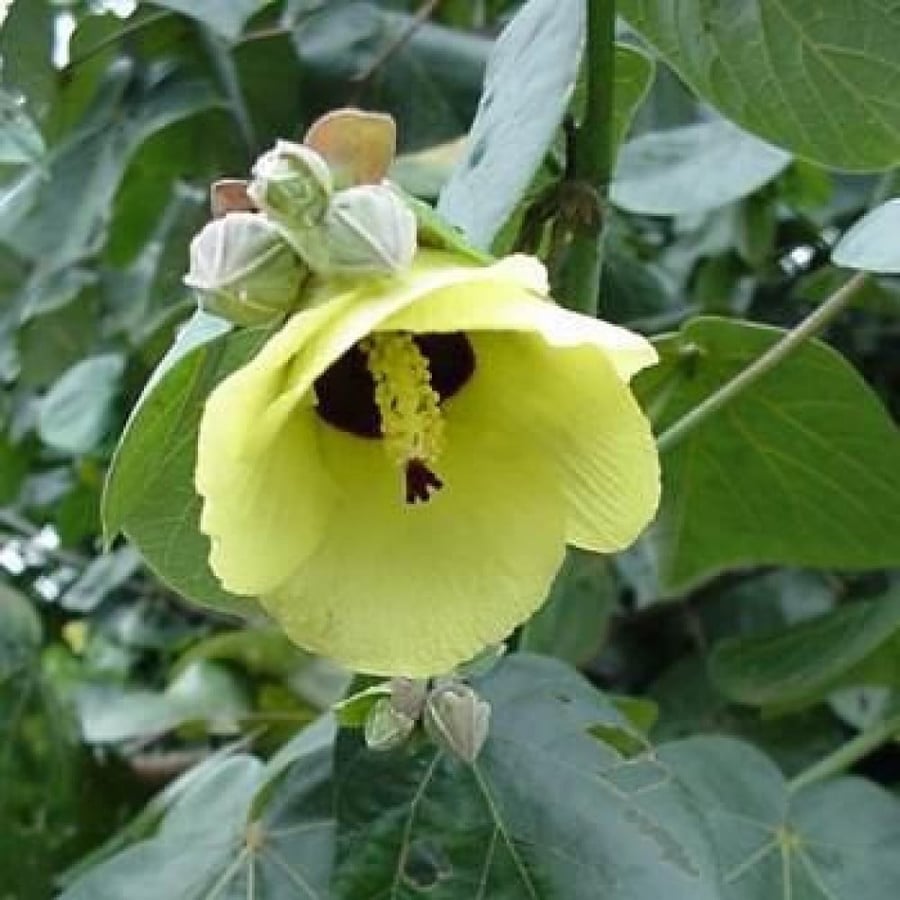
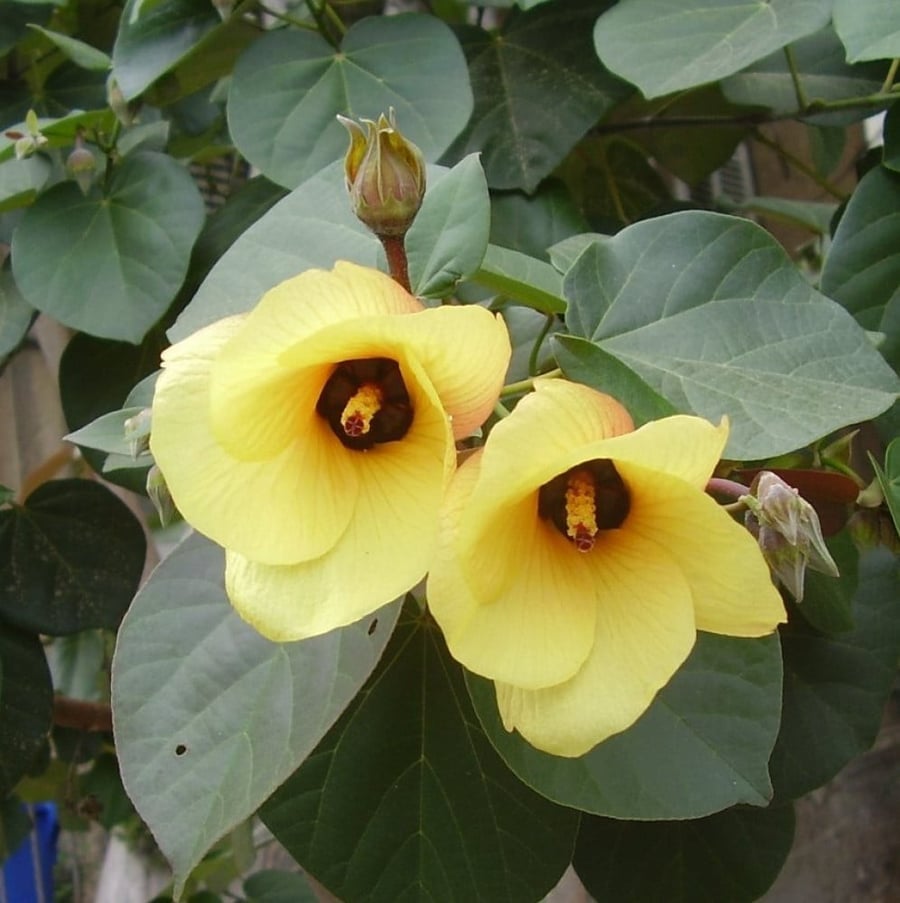
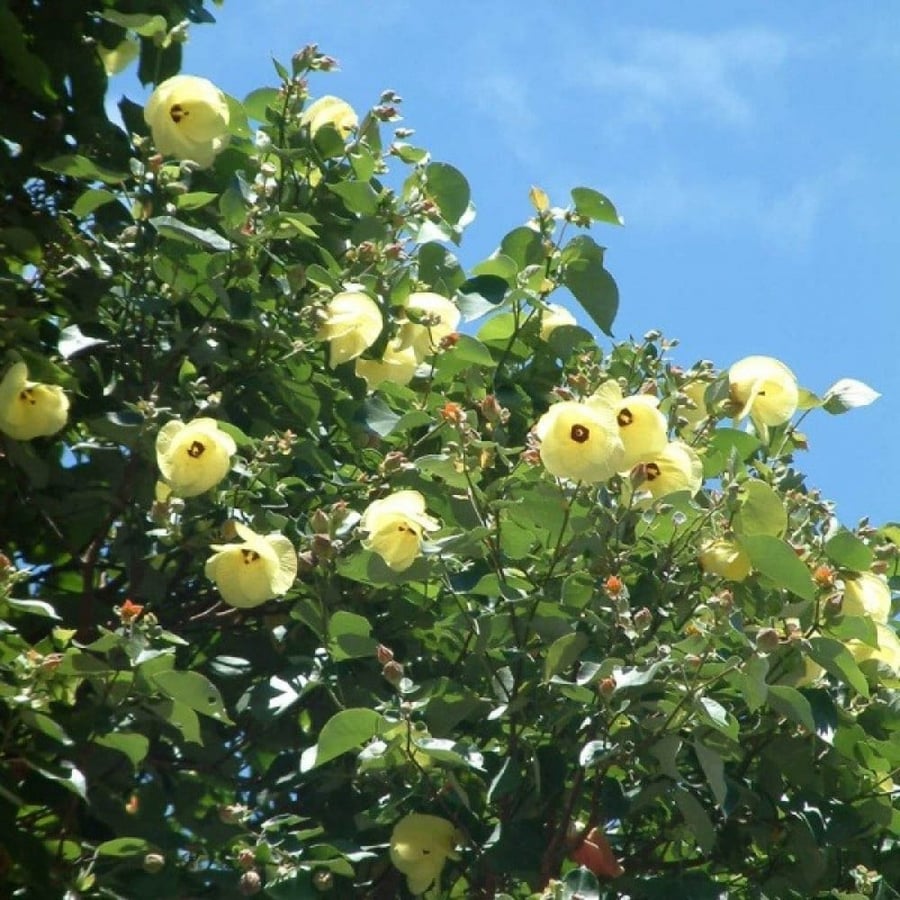
• Coastal Khutami flower: consists of light yellow petals, with a pod-shaped flower, 15 cm wide, and a long protruding crimson-colored pistil from the center of the flower. The flowers fall off after one or two days of blooming, so this tree is not suitable for planting in pedestrian walkways. The color of the flower often turns to orange or red before falling.
• Coastal Khutami seeds: small-sized, brown, and sharply edged.
• Germination season for Coastal Khutami: planted in spring, and can also be cultivated year-round in agricultural reserves, enclosed or plastic places where temperature can be controlled, sunlight reaches the plant, or where adequate lighting is available.
• Suitable climate and soil for Coastal Khutami: Coastal Khutami naturally grows in the southern coastal subtropical regions of Asia. Since it originates near watercourses, it tolerates stagnant water more than others, and withstands high salinity and hard water. It grows quickly in many soil types and tolerates drought to some extent, but is affected by low relative humidity combined with long-term soil dryness and frost. It is watered regularly.
• Method of planting Coastal Khutami: propagated through seeds soaked in water for 24 hours before planting. It can be fertilized with organic fertilizer at least once during flowering to accelerate growth and development. Suckers grow easily, and through them, the traits of the mother plant can be preserved. Trees grown from suckers bloom earlier compared to those grown from seeds.
• Benefits and uses: planted for decoration in homes, gardens, and roadsides.
• Native habitat of Coastal Khutami: Southeast Asia and Pacific Islands. It is also cultivated in Saudi Arabia and Gulf countries due to its ability to withstand harsh climatic conditions.

From Buraydah